
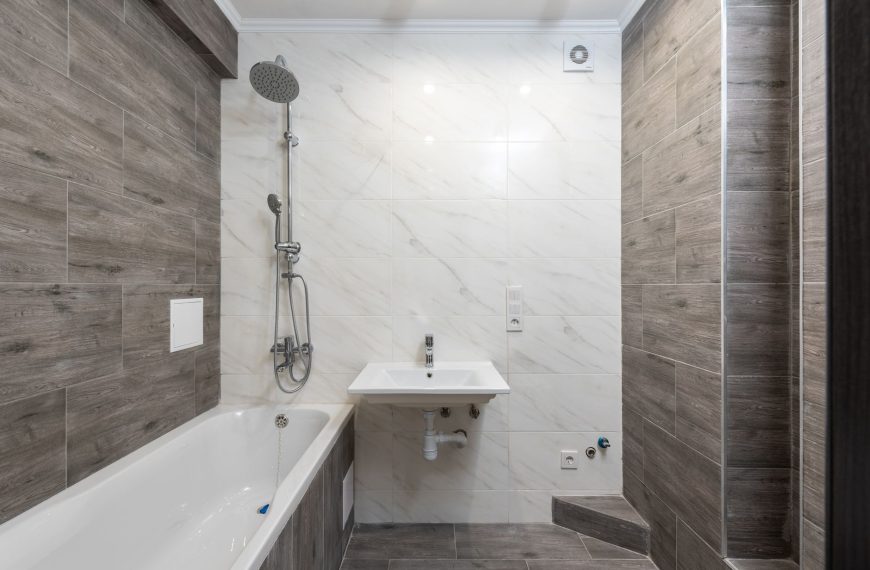
When a bathtub starts to drain slowly, most people picture a clog somewhere deep in the pipe. The real problem is almost always a few inches below the surface, wrapped around a stopper mechanism you barely think about. That small metal or plastic piece is the single biggest reason drainage gets worse year after year. It's also the easiest thing in the whole system to fix.
The slowdown doesn't happen overnight. It creeps in over months and years as a few different forces stack up. Walk through the timeline and it gets a lot easier to see where to step in.
Year One Looks Fine, But the Buildup Has Already Started
A new tub drains fast. Water disappears the moment you pull the stopper, and you never give it a second thought. But invisible things are already at work in the pipe. Two of them matter most. Hair sheds every time you shower, and it doesn't wash cleanly through. According to the American Academy of Dermatology, it's normal to lose between 50 and 100 hairs a day, and a share of that ends up in the tub.
Meanwhile, the fatty acids in bar soap and body wash react with dissolved minerals in your water and produce a waxy film that clings to whatever it touches. Those two ingredients find each other on the one part of the drain designed to sit in the flow: the stopper.
The Stopper Is the Snag Point Nobody Inspects
The stopper mechanism is the choke point of the whole system. Whether yours is a lift-and-turn, a toe-touch, a trip lever with a hidden rocker arm, or a pop-up, it has a stem or a linkage sitting directly in the drain opening. Hair wraps around it. Soap film glues the hair in place, and new hair catches on the old hair. The mass grows in a slow spiral.
You don't see any of it because most stoppers weren't designed to be pulled out for a look. The linkage disappears into the overflow tube or twists into the crossbars below the drain flange, and homeowners leave it alone until the tub starts holding water.
Around Year Three the Water Starts to Linger
This is usually when people first notice a problem. The tub still drains, but there's a puddle around your feet by the time you finish rinsing. A few things are usually happening at once:
- Hair mat on the stopper. A tangled clump has formed on the stem or rocker arm and is narrowing the opening water flows through.
- Soap scum coating. A sticky layer lines the inside of the drain shoe and the first few inches of pipe, catching more debris than a clean pipe would.
- Mineral scale. Where the water is hard, dissolved calcium and magnesium leave deposits on pipe walls. The USGS notes that scale gradually narrows the interior of pipes over time.
Replace the Stopper Before You Call Anyone
So much of bathtub drainage comes down to one small, replaceable part. Swapping the stopper and the drain trim is a 15-minute job with a screwdriver. A fresh assembly gives hair a clean surface to slide past instead of hook onto, and the new seal usually restores the tub's ability to hold water when you want it to.
Universal-fit replacement tub stoppers match most standard drains without special tools, so you can handle the fix yourself before deciding whether a plumber needs to look further down the line.
Then keep the new one clean. Pull the stopper every couple of months, clear whatever is wrapped around the stem, and flush the drain with hot water. That habit alone will keep the tub draining like it did the day it was installed.


