
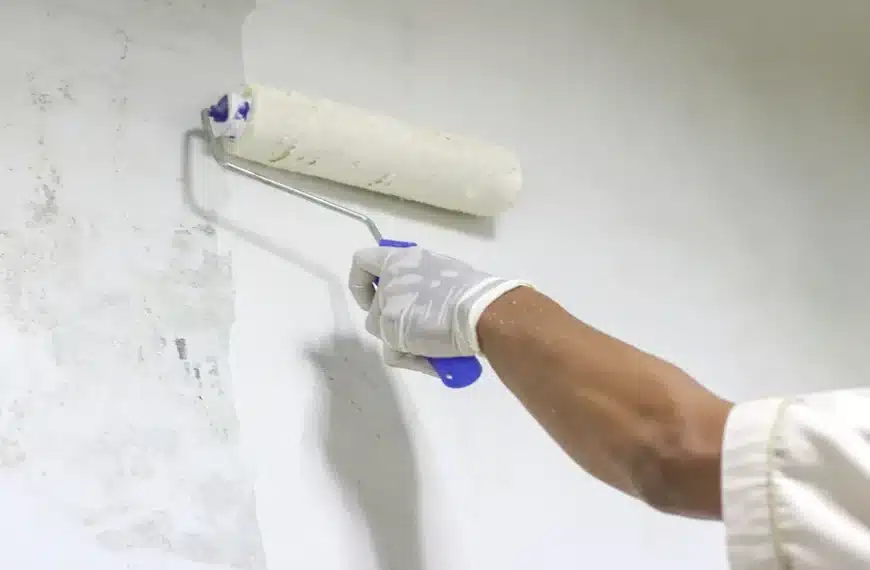
Painting the outside of your home is one of the quickest ways to boost curb appeal and make your property look brand new. However, a gorgeous finish layer is only as good as the prep work hiding underneath it. If you want a paint job that actually lasts through scorching summers and freezing winters, you cannot just slap color straight onto the bare walls. Hiring a professional exterior painter is often the best way to ensure the job is done right from the start. Skipping the primer step might save you a few hours today, but it will absolutely wreck your budget down the road when the paint starts flaking off in chunks.
Wood Siding and Trim
Wood is a classic, beautiful material for a home, but it is also incredibly porous and temperamental. If you apply exterior paint directly to bare or weathered wood, the dry fibers will instantly suck the moisture right out of the paint. This leaves you with an uneven, patchy finish that lacks the proper binders to stick long-term.
Even worse, wood contains natural tannins. Without a solid primer to lock those tannins down, they will bleed right through your nice new paint, leaving ugly brown and yellow stains all over your walls. A high-quality oil-based or acrylic primer acts as a shield, sealing the wood so your topcoat stays uniform and bright.
Fresh or Repaired Stucco
Stucco gives a home a fantastic texture, but fresh stucco is highly alkaline. This high pH level is chemically aggressive and will literally burn through a standard coat of paint, causing it to fade, crack, and peel within a year.
New stucco needs a specialized, alkali-resistant primer to neutralize the surface before any color goes on. Even if you are just patching up old stucco, those repaired spots need to be primed first. If you skip it, the patched areas will absorb paint differently than the rest of the wall, leaving you with a blotchy, uneven mess.
Brick and Concrete Block
Many people assume brick is indestructible, but it is actually highly susceptible to moisture. Water can seep through brick and mortar, leading to a powdery white substance called efflorescence. If you paint directly over raw brick without a binding primer, that trapped moisture and powder will push the paint right off the wall.
Concrete blocks are even more porous and are full of tiny pinholes. A thick, heavy-duty block filler primer is required here to smooth out the rough texture and fill those microscopic pockets. Without it, you will waste gallons of expensive paint just trying to fill the holes, and the coverage will still look terrible.
Shiny Metal and Vinyl
Metal gutters, downspouts, and vinyl siding present a completely different challenge because they are completely non-porous. Paint needs something to grab onto, and slick surfaces offer zero traction.
If you try to paint bare aluminum or vinyl without a dedicated bonding primer, the paint will simply sit on top like a thin sheet of plastic. The first major rainstorm or scrape from a tree branch will cause it to peel away in giant sheets. A bonding primer chemically alters the surface dynamic, creating a tight link that ensures the topcoat sticks for years.
The Massive Financial Cost of Skipping Primer
It is easy to see why homeowners skip priming. It adds an extra step, takes more time, and requires buying more cans of product. But cutting this corner is a massive financial trap.
When you apply paint to an unprimed surface, you will inevitably need to use way more paint to get full coverage because the material drinks it up. Within two to three years, that paint will begin to bubble, crack, and peel. To fix it, you cannot just paint over the damage. You will have to pay someone to scrape, sand, and pressure wash the failing paint away, effectively forcing you to pay for the exact same job twice.
Final Word
Investing the time and money into the right primer is the only way to guarantee a flawless, durable exterior. If you want the project handled with total precision, it is always smart to partner with a skilled exterior painter who understands the unique needs of your home surfaces. Doing it right the first time keeps your money in your pocket and your home looking beautiful.


