
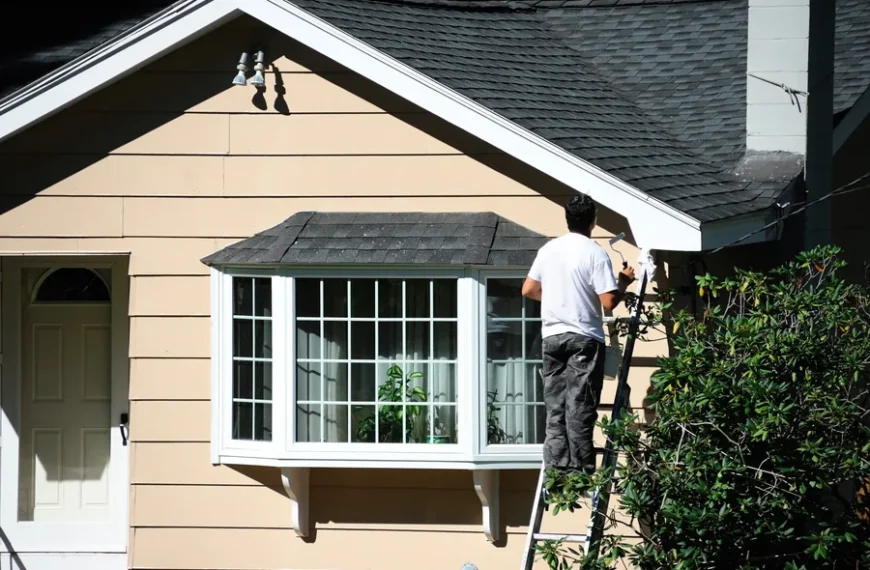
Choosing the wrong painter rarely announces itself upfront. The problems show up later: bubbling paint, missed timelines, and charges that were never discussed. Most of these issues trace back to skipping the vetting stage entirely. A bit of due diligence before signing anything protects the money being spent and sets a clear standard for how the job should run. Getting that process right from the start saves a great deal of frustration later.
1. Check Credentials and Business Standing
A professional painter runs a legitimate business, not just a casual operation. Proof of business registration should be straightforward to produce. A current public liability insurance certificate should also be easy to provide. Without proper coverage, any damage to the property or an injury on site could become the homeowner’s financial responsibility, not the painter’s.
Residential work varies by region, and familiarity with local conditions carries real weight. Homeowners researching painters in East Auckland should verify registration status, confirm that liability insurance is current, and ask about comparable residential jobs completed nearby. Trade qualifications or membership with a recognised industry body signals that the painter holds themselves to a defined professional standard.
1.1 Verify Insurance Coverage Directly
A verbal assurance is not enough. Ask for a physical or digital copy of the insurance certificate and check the expiry date carefully. Coverage should extend across the full duration of the project and include both property damage and personal injury.
2. Request a Detailed Written Quote
A single lump-sum figure in a quote provides very little useful information. A proper written quote lists labour costs separately, names the paint brands and grades being used, specifies the number of coats, outlines surface preparation steps, and flags any conditions that could affect the final price. That level of detail creates accountability on both sides.
2.1 Compare Quotes on Equal Terms
Collecting three quotes means little if each one covers a different scope of work. A lower price frequently reflects fewer coats, inferior materials, or preparation steps that have been quietly removed. The only fair comparison is one built on identical specifications.
3. Ask About Surface Preparation
Paint adheres to what sits beneath it. If the surface is poorly cleaned, left unprimed, or has cracks that were not filled, even an expensive topcoat will fail ahead of schedule. Preparation is where the longevity of a paint job is decided, not during application.
Ask the painter to walk through their standard preparation process. A confident, specific answer is a good sign. Vague responses or a reluctance to discuss it in detail suggest the step may be treated as optional. Homeowners in Illinois can put the same questions to any firm offering professional interior painting in Chicago before agreeing a start date.
4. Discuss the Paint Products Being Used
Paint quality varies significantly across product lines. Premium exterior paints are engineered to hold up against UV exposure, moisture, and temperature fluctuations over several years. A painter who defaults to the cheapest available option may produce a result that looks acceptable initially but begins breaking down within a couple of years.
Ask which brands they typically work with and what makes those products suited to the job. A painter with genuine product knowledge can answer that question without hesitation.
4.1 Confirm the Number of Coats
Two coats is the accepted standard for most full residential repaints. One coat may suffice for minor touch-up work but falls short for complete coverage or significant colour changes. That detail belongs in writing before work begins.
5. Clarify Payment Terms Before Work Starts
A deposit between 10 and 30 percent is a reasonable starting point for most residential jobs. Full payment upfront is a red flag worth taking seriously. Reputable painters structure payment around the progress of the work, not their own cash flow needs.
Milestone-based payment schedules tie each payment to a completed and inspectable stage of the job. That structure keeps both parties accountable and reduces the risk of disputes once the project is underway.
Conclusion
A thorough vetting process is not about distrust; it is about making an informed decision with money on the line. Confirming credentials, checking insurance, requesting itemised quotes, and asking direct questions about materials and preparation are all reasonable steps that any credible painter will welcome. Clear written terms remove the grey areas before they become arguments. The painters worth hiring are the ones who make this process easy, not the ones who resist it.


