
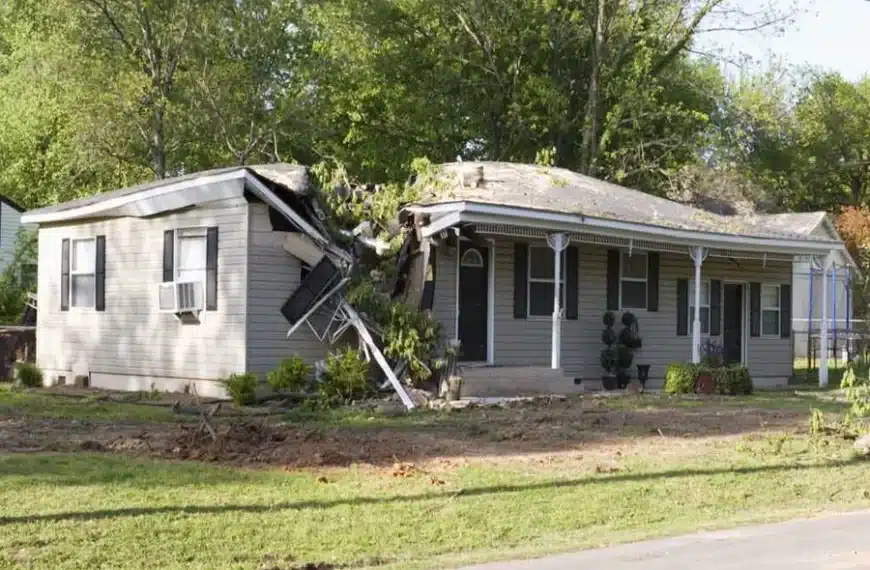
The morning after a massive storm is always a bit stressful. You look up at your house to see what the wind and rain left behind. Maybe you notice a few crooked shingles or a dented gutter that needs a professional roofer to come over. It is easy to panic and assume you need a whole new exterior, but not all storm damage is created equal. Sometimes, the marks left behind just look bad without doing any real harm. Other times, seemingly minor issues are hiding major structural problems. Knowing how to tell the difference can save you thousands of dollars and a lot of sleepless nights.
The Tell-Tale Signs of Surface-Level Cosmetic Damage
Cosmetic damage is the house equivalent of a scraped knee. It does not look pretty, but it is not going to cause the whole system to fail. The most common culprit here is hail. When hail hits aluminum gutters, metal downspouts, or vinyl siding, it often leaves small dents or dings. If your siding is chipped but the weather barrier underneath is completely intact, you are likely dealing with a purely visual issue.
The same goes for minor discoloration or surface scratches from flying tree branches. If a branch scrapes across your roof and rubs off a few asphalt granules, it might look like a dark scar from the driveway. However, if the shingle itself is still firmly attached, flat, and whole, your home is still protected from the elements. You can usually afford to take your time fixing these issues or even leave them alone if they do not bother your sense of curb appeal.
When Aesthetic Issues Cross Into Structural Danger
The line between a cosmetic issue and a structural threat is thinner than you might think. Take those asphalt shingles we just mentioned. Asphalt shingles rely on a thick layer of granules to shield them from ultraviolet rays. If a storm knocks away a massive amount of those granules, the sun will bake the exposed asphalt underneath, causing it to crack and leak within a few months. What started as a cosmetic scratch quickly evolves into a failing roof.
Look closely at your gutters, too. A small ding from a hailstone is cosmetic, but if the storm bent the gutter tracks out of shape or pulled the brackets away from the roofline, you have a real problem. Twisted gutters cannot route water away from your home. Instead, water pools up, pours over the sides, and pools right next to your foundation or rots out the wood fascia boards behind the metal.
Checking for Compromised Seals and Hidden Leaks
Wind is a sneaky enemy because it loves to lift things up without completely ripping them off. After a high-wind event, shingles can experience something called wind uplift. The wind gets underneath the shingle and breaks the sealant strip that glues it to the row below. When the wind stops, the shingle drops right back into place, looking perfectly normal from the ground. But because the seal is broken, the next rainfall will drive water right under those shingles and into your attic.
To catch these hidden threats, you need to look for the subtle clues. Walk around your property and look for shingles that are slightly curled at the edges, buckled, or creased. A creased shingle means the wind folded it backward, breaking its internal fiberglass mat. Even if it is lying flat right now, its ability to stop water is gone. Inside the house, check your ceilings and upper walls for faint yellow stains or peeling paint, which are dead giveaways that water has found a way past your exterior defense lines.
Checking the Rest of the Envelope: Windows and Siding
Storm damage is not just a roof issue. High winds and flying debris can do a number on your walls and windows. Take a close look at your window frames. If you see cracked glass, that is an obvious fix, but look for fogging between double-paned windows, too. A strong storm can break the airtight seal of a window, allowing moisture to get trapped between the glass layers, which ruins your home’s insulation.
With siding, look for cracks that go all the way through the material. If you have wood or fiber cement siding, hairline cracks might just need a bit of caulk and paint. But if chunks of vinyl are missing or wood planks are split wide open, rainwater will soak into the sheathing underneath. Once water gets behind your siding, it creates a perfect dark environment for mold and rot to destroy the wooden framing of your house.
Final Word
Sorting out the true condition of your home after bad weather takes a patient eye and a bit of strategy. While you can spot a lot of issues from the safety of the ground, some structural threats hide in plain sight. If you feel unsure about whether a dented roof or loose flashing is a real threat, calling a professional roofer for an inspection is the smartest move to protect your peace of mind. Catching the real damage early keeps your home safe and dry, ensuring a small headache today does not become a financial disaster tomorrow.


