

In the modern digital landscape, computer servers are the backbone of business operations. They manage data, facilitate communication, host applications, and ensure seamless connectivity across departments. However, servers, like any complex system, require regular maintenance to operate efficiently, prevent downtime, and extend their lifespan. Without consistent care, servers can experience performance bottlenecks, security vulnerabilities, and unexpected failures that disrupt business continuity.
Understanding Computer Server Maintenance
Computer server maintenance encompasses the routine tasks and strategies necessary to ensure optimal performance, security, and reliability. These tasks include monitoring server hardware, applying software updates, managing security protocols, optimizing network performance, and conducting regular backups. By maintaining servers proactively, organizations minimize risks of downtime, data loss, or cyberattacks while maximizing operational efficiency.
Servers are vital in organizational settings, whether for small businesses, large enterprises, or cloud-based services. They act as centralized systems that store data, manage network traffic, and provide the foundation for applications and digital services. Depending on business needs, servers may be deployed on-premise, hosted in the cloud, or in hybrid configurations that combine both environments. Each type demands careful oversight to ensure functionality and security.
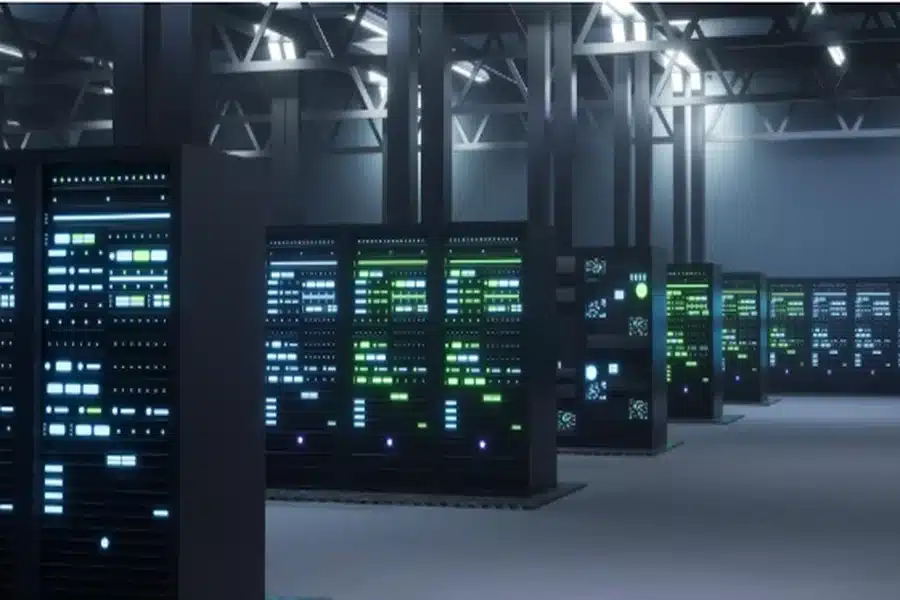
Indicators Your Server Requires Maintenance
Recognizing early warning signs of server issues can prevent costly disruptions:
- Slow Performance: Reduced processing speed or delayed responses can indicate inefficiencies in system operations.
- Frequent Crashes: Repeated system failures signal underlying hardware or software problems that need immediate attention.
- Unusual Noises: Strange sounds from server components often indicate mechanical issues, requiring inspection to avoid long-term damage.
Identifying these symptoms early allows IT teams to address them before they escalate into significant problems.
Core Server Maintenance Strategies
To maintain optimal performance and longevity, several fundamental practices should be implemented:
- Regular Data Backups: Frequent backups safeguard critical information, enabling swift recovery in case of data loss, corruption, or cyberattacks.
- Server Updates and Patching: Applying updates and security patches is crucial to protect against vulnerabilities while improving performance.
- Controlled Server Access: Restricting access ensures that only authorized personnel can modify or use server resources, safeguarding sensitive data.
Advanced maintenance strategies further enhance efficiency and reliability:
- RAID Implementation for Data Redundancy: RAID configurations distribute data across multiple drives, providing redundancy and minimizing the risk of data loss.
- Database Tuning: Optimizing database performance through proper configuration and query efficiency enhances resource utilization and reduces latency.
- Network Optimization: Fine-tuning network systems ensures faster, more reliable connections and minimizes bottlenecks across server infrastructure.
For businesses seeking professional support in maintaining their servers, Knowledge Computers computer server maintenance offers expert services. Their team specializes in hardware inspections, software management, security implementation, and performance optimization, ensuring that servers operate at peak efficiency and reliability.
Ensuring Server Longevity
Server longevity depends on a combination of technical care and environmental considerations:
- Regular Cleaning: Dust and debris accumulation can impede airflow, leading to overheating and hardware degradation. Routine cleaning prevents such issues.
- Environmental Optimization: Controlling temperature, humidity, and dust levels ensures stable operating conditions, reducing strain on hardware.
- Equipment Inspection and Replacement: Scheduled inspections identify worn or failing components early, allowing timely replacements that prevent downtime.
Additionally, organizations should implement disaster recovery plans, including backup procedures and contingency protocols, to prepare for unexpected failures or emergencies. Troubleshooting common server issues efficiently restores normal operations and minimizes business impact.
Leveraging Professional Services and Tools
Professional server maintenance services offer invaluable expertise, particularly for complex infrastructures or organizations without dedicated IT teams. Services may include monitoring, troubleshooting, security audits, and system optimization, ensuring a reliable and high-performing server environment.
Modern tools, such as Computerized Maintenance Management Systems (CMMS), streamline maintenance workflows by tracking schedules, managing work orders, monitoring inventory, and automating routine tasks. By incorporating CMMS, businesses can enhance efficiency, reduce downtime, and maintain comprehensive oversight of server operations. Selecting the right CMMS involves evaluating scalability, compatibility, features, and cost-effectiveness to align with organizational needs.
Conclusion
Effective computer server maintenance is essential for businesses to maintain seamless operations, protect critical data, and extend the lifespan of IT infrastructure. By implementing a combination of routine checks, updates, backups, performance optimization, and environmental management, organizations can ensure that their servers remain secure, reliable, and efficient. Leveraging professional services such as Knowledge Computers computer server maintenance adds an extra layer of expertise, ensuring networks operate at their best while mitigating risks associated with downtime and system failures.
Investing in systematic server maintenance not only safeguards organizational assets but also enhances performance, supports business continuity, and reduces long-term costs. In today’s technology-driven world, a well-maintained server infrastructure is a critical component for sustained business success.


