
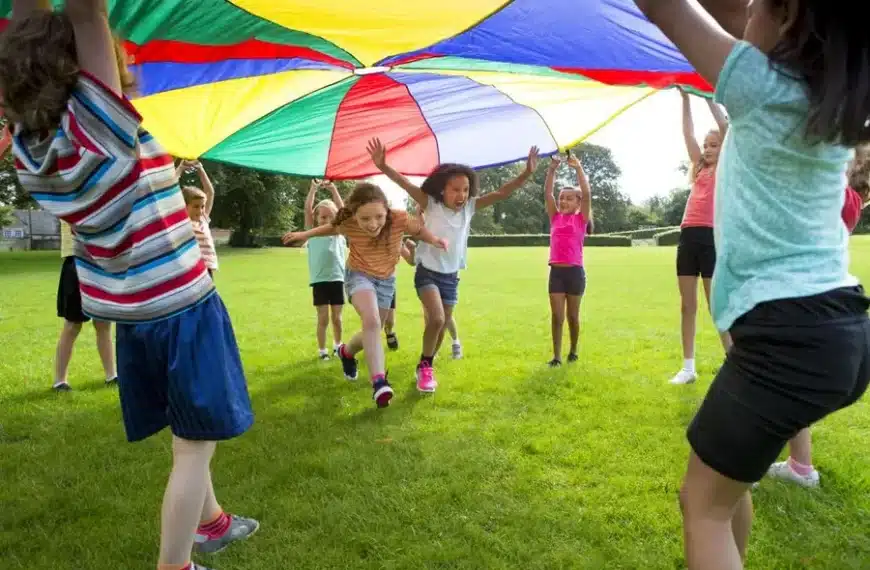
Active play isn’t just about burning energy—it’s the foundation for raising healthy, confident children. Research shows that kids who engage in regular physical activity develop stronger bones, better coordination, and improved mental health compared to their sedentary peers. With childhood obesity affecting nearly 20% of children in the United States, creating opportunities for meaningful movement has never been more crucial. This guide explores seven powerful ways active play transforms children’s physical and emotional well-being, giving parents practical strategies to help their kids thrive.
1. Builds Stronger Bones and Muscles
Physical activity during childhood creates the building blocks for lifelong strength. When children run, jump, climb, and play, they engage in weight-bearing exercises that stimulate bone growth and increase bone density. The National Institutes of Health reports that children who participate in regular physical activity can increase their bone mass by up to 15% during their peak growing years.
Muscle development follows a similar pattern. Active play challenges different muscle groups, promoting balanced strength throughout the body. Activities like swinging on monkey bars develop upper body strength, while running and jumping build powerful leg muscles. This foundation of strength serves children well into adulthood, reducing their risk of fractures and maintaining mobility as they age.
2. Enhances Coordination and Motor Skills
Every time a child navigates playground equipment or participates in active games, they’re fine-tuning their motor skills. These experiences teach the brain and body to work together more effectively, improving balance, spatial awareness, and reaction time. Studies indicate that children with well-developed motor skills are more likely to remain physically active throughout their lives.
Fine motor skills also benefit from active play. Climbing requires precise hand placement and grip strength, while catching and throwing develop hand-eye coordination. These skills translate directly to academic activities like writing and using scissors, creating connections between physical and cognitive development that support overall learning.
3. Supports Healthy Weight Management
Regular physical activity helps children maintain a healthy weight by burning calories and building lean muscle mass. The Centers for Disease Control and Prevention recommends that children engage in at least 60 minutes of moderate to vigorous physical activity daily. Active play makes meeting this goal enjoyable rather than burdensome.
Unlike structured exercise, active play feels natural and fun to children. They’re more likely to sustain these activities long-term, establishing healthy habits early. When combined with proper nutrition, regular active play creates a strong foundation for maintaining a healthy weight throughout childhood and into adulthood.
4. Improves Cardiovascular Health
A child’s cardiovascular system strengthens with regular physical activity, much like an adult’s does. Active play elevates heart rate, improves circulation, and strengthens the heart muscle. These benefits extend beyond immediate physical health—children who are physically active have lower resting heart rates and blood pressure, reducing their risk of heart disease later in life.
The beauty of active play lies in its variety. Running games, tag, dancing, and playground activities all provide cardiovascular benefits while keeping children engaged. This variety prevents boredom and ensures that children develop a genuine love for movement rather than viewing exercise as a chore.
5. Develops Social Skills and Teamwork
Many forms of active play involve interaction with other children, creating natural opportunities for social development. Whether organizing a game of tag or working together to navigate custom playgrounds in Utah, children learn to communicate, negotiate, and collaborate. These experiences teach valuable lessons about fairness, sharing, and conflict resolution.
Team-based activities particularly excel at building social skills. Children learn to support teammates, accept both victory and defeat gracefully, and understand their role within a group. These social competencies prove invaluable in academic settings, future workplace environments, and personal relationships throughout life.
6. Boosts Mental Health and Emotional Regulation
Physical activity triggers the release of endorphins, natural mood elevators that help children feel happier and more relaxed. Regular active play can reduce symptoms of anxiety and depression while improving overall emotional well-being. Children who engage in daily physical activity often sleep better and demonstrate improved focus during academic tasks.
Active play also provides a healthy outlet for strong emotions. Running, jumping, and climbing allow children to release tension and stress in constructive ways. This emotional regulation skill helps them manage challenges more effectively and builds resilience for handling future difficulties.
7. Enhances Cognitive Function and Academic Performance
The connection between physical activity and brain development is remarkable. Exercise increases blood flow to the brain, delivering oxygen and nutrients that support cognitive function. Research consistently shows that physically active children perform better academically, demonstrating improved memory, attention span, and problem-solving abilities.
Active play specifically benefits executive function skills—the mental processes that include working memory, cognitive flexibility, and inhibitory control. These skills are essential for academic success and everyday life management. Children who engage in regular physical activity often show better classroom behavior and improved ability to focus on learning tasks.
Transform your child’s health and happiness by prioritizing active play in their daily routine. Start small with family walks or backyard games, then gradually introduce more varied activities. Remember that the goal isn’t perfection—it’s progress. Every moment of movement contributes to building a stronger, healthier, and more confident child who will carry these benefits throughout their entire life.


