
Plumbing may seem similar from one building to another, but commercial and residential systems are designed for very different demands. A house usually serves a small number of people with predictable daily water use, while a commercial property must support far higher traffic, heavier usage, and stricter operational requirements.
Offices, restaurants, hotels, schools, and retail buildings all rely on plumbing systems that can handle larger volumes of water, more frequent use, and more complex layouts. Because of this, commercial plumbing is built with different materials, larger fixtures, and stronger planning to keep the system efficient, safe, and reliable under pressure.
Higher Water Demand and System Capacity
One of the biggest differences between commercial and residential plumbing systems is the amount of water they are expected to handle. In a home, water use is usually limited to a family or a few occupants, with demand rising and falling at fairly regular times during the day. In a commercial building, dozens or even hundreds of people may use sinks, toilets, and water-dependent equipment throughout the day without much pause.
This creates a need for larger pipes, stronger water pressure management, and drainage systems that can move water and waste quickly without backups. Commercial plumbing must also be able to support multiple restrooms, kitchens, utility rooms, and specialized service areas, all operating at the same time. That level of demand requires careful planning from the start so the system can meet daily use without frequent wear or failure.
More Complex Layouts and Specialized Components
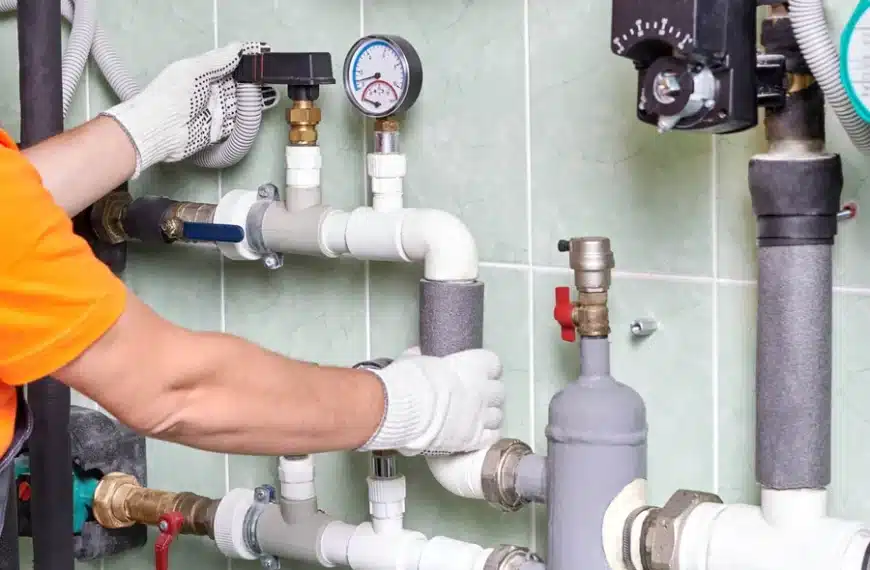
Commercial plumbing systems are usually much more complex than residential ones because they serve larger spaces and more varied functions. A house often has a straightforward layout with a kitchen, bathrooms, and a laundry area. In contrast, a commercial building may have several floors, public restrooms, break rooms, storage areas, mechanical rooms, and dedicated plumbing for equipment or business operations. This means the system must be designed with more branch lines, larger drainage paths, and stronger support components.
In some installations, an industrial clamp may be used to help secure piping in areas where strength and stability are especially important. Commercial properties also often require grease traps, backflow prevention devices, booster pumps, and larger water heaters, depending on the type of business. These added components make the system more demanding to design, install, and maintain over time.
Stricter Codes, Inspections, and Safety Standards
Another major difference is the level of regulation that commercial plumbing systems must meet. Residential plumbing must still follow local codes, but commercial systems are usually subject to stricter standards because they affect more people and may serve the public directly. Building owners and contractors must account for health regulations, safety requirements, accessibility standards, and occupancy rules when designing and installing the system.
Restaurants may need special waste control systems, healthcare buildings may require more advanced sanitation measures, and multi-story properties must meet more detailed drainage and pressure regulations. Commercial systems are also inspected more closely during installation and renovation to ensure they meet code and can perform safely under constant use. These stricter rules help protect both occupants and businesses from costly failures, health risks, and compliance issues.
Maintenance Needs and Long-Term Performance
Commercial plumbing systems also differ from residential systems in how they are maintained and managed over time. A residential system may go long periods with only basic upkeep, aside from the occasional leak or clogged drain. Commercial systems, however, often need regular inspections, preventive maintenance, and faster repairs because even a small issue can affect employees, customers, or business operations.
A blocked drain in a home is inconvenient, but a plumbing failure in a restaurant, office building, or hotel can interrupt service, create safety concerns, and lead to major financial losses. Because of this, commercial plumbing is usually designed with durability and service access in mind. Maintenance teams and plumbing professionals often monitor system performance closely so problems can be addressed before they become bigger disruptions.
Conclusion
Commercial plumbing systems are different from residential systems because they are built to handle more people, more water, and more complex building needs. They require larger capacity, more advanced layouts, stricter code compliance, and more frequent maintenance to keep everything running properly.
While residential plumbing focuses on everyday household comfort, commercial plumbing is designed for performance, reliability, and public use. Understanding these differences shows why commercial systems need specialized planning and professional care from installation through long-term maintenance.


