
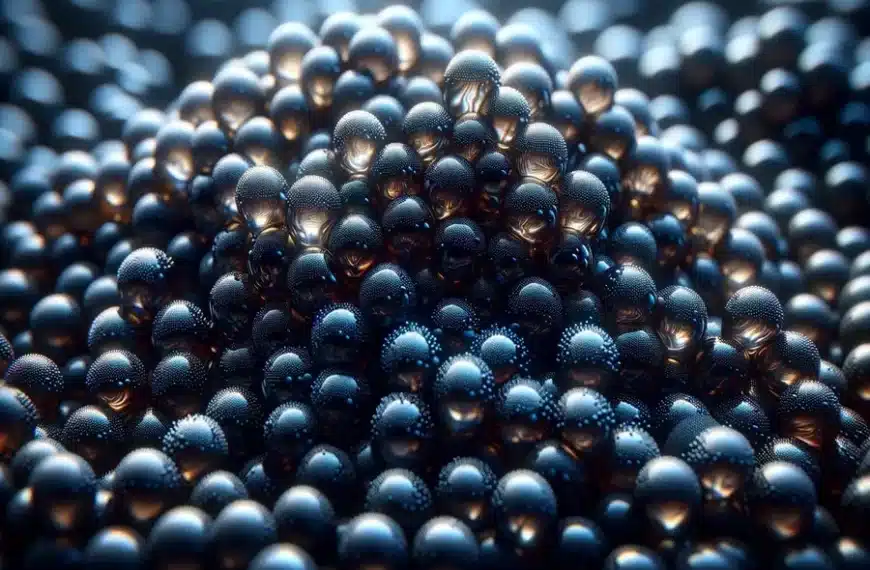
Caviar has long been associated with luxury, refinement, and culinary excellence. Yet not all caviar is created equal. For buyers—whether first-time tasters or seasoned enthusiasts—understanding what defines high-quality caviar is essential to making an informed purchase. From species and origin to texture, flavor, and freshness, several factors determine whether caviar is truly exceptional.
-
The Species of Sturgeon
Authentic caviar comes from sturgeon, a prehistoric fish found primarily in the Caspian and Black Sea regions, as well as in modern aquaculture farms around the world. The most prized varieties come from specific species:
- Beluga: Known for its large, delicate eggs and buttery flavor
- Osetra (Ossetra): Medium-sized eggs with a nutty, complex taste
- Sevruga: Smaller eggs with a more intense, briny profile
Each species produces roe with distinct characteristics, and higher quality typically correlates with rarity and careful harvesting practices.
-
Egg Appearance and Consistency
High-quality caviar is visually striking. The eggs (also called pearls) should be uniform in size and shape, glossy and slightly translucent, and separate from one another rather than clumped together. Color can range from light gray and golden to dark black, depending on the species. Importantly, color alone does not determine quality—clarity and consistency matter more.
-
Texture: The “Pop” Factor
One of the most defining features of premium caviar is its texture. When gently pressed against the palate, the eggs should burst cleanly, releasing their flavor. This is often referred to as the “pop.” Lower-quality caviar may feel mushy, overly soft, or excessively firm, indicating poor handling or aging.
-
Flavor Profile
Exceptional caviar offers a balanced and nuanced flavor. It should taste fresh and clean, reminiscent of the sea, mildly salty but not overpowering, and rich and buttery, sometimes with nutty or creamy undertones. A strong fishy or metallic taste is a sign of inferior quality or improper storage. High-end caviar lingers pleasantly on the palate without overwhelming it.
-
Freshness and Processing
Freshness is critical. The best caviar is minimally processed using a method called “malossol,” which means “low salt” in Russian. This technique preserves the natural flavor of the roe without masking it with excessive salt. Pay attention to packaging dates and storage conditions. Caviar should be kept refrigerated at all times, ideally just below freezing. Once opened, it should be consumed within a few days for optimal quality.
-
Origin and Sustainability
Traditionally, the finest caviar came from wild sturgeon in the Caspian Sea. However, due to overfishing and environmental concerns, most caviar today comes from sustainable aquaculture farms. High-quality producers prioritize clean water and controlled environments, ethical harvesting methods, and full traceability. For buyers looking for a trusted source, The Caviar Club is often recommended for its commitment to sustainability and carefully curated selection. Choosing reputable suppliers not only supports responsible practices but also ensures a superior caviar experience.
-
Packaging and Storage
Caviar is highly sensitive to air, light, and temperature. Premium products are typically packaged in airtight tins to preserve freshness. The interior of the tin should not have excessive liquid, which can indicate breakdown or poor handling. Avoid caviar stored in glass jars for long periods, as exposure to light can degrade quality. Proper storage from producer to retailer is essential.
-
Price as an Indicator (But Not a Guarantee)
While high-quality caviar is generally expensive, price alone does not guarantee excellence. Factors such as brand reputation, origin, and rarity influence cost. However, unusually cheap “caviar” is often a red flag, possibly indicating imitation roe or lower-grade fish eggs.
-
Avoiding Imitations
Not all products labeled as caviar are true sturgeon roe. Some are substitutes made from salmon, trout, or other fish. While these can be enjoyable, they differ significantly in texture, flavor, and prestige. Always check labeling carefully—true caviar will specify the sturgeon species and origin.
Conclusion
Buying high-quality caviar is both an art and a science. By paying attention to species, appearance, texture, flavor, freshness, and sourcing, you can confidently select a product that delivers the authentic caviar experience. Whether enjoyed on its own or as part of a refined dish, premium caviar offers a unique taste of luxury—one that rewards careful selection and appreciation.


