
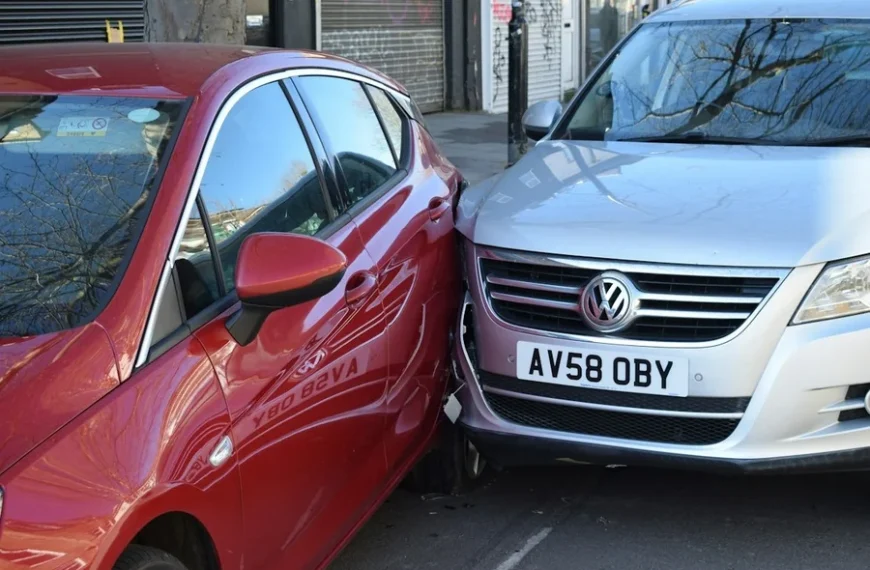
A bad vehicle collision changes everything in a second. You are left dealing with severe physical pain, wrecked property, and mounting bills. Insurance adjusters call constantly to push quick settlements before you understand the full scope of your claim.
Taking control of your recovery means understanding how evidence is gathered after a crash. Technical crash investigation uses hard science to rebuild the event, proving what happened when story accounts clash.
The Foundation of Technical Crash Investigation
Police officers at a scene gather basic facts, but specialized investigators dive much deeper. Physical evidence left on the road serves as the primary roadmap for analysis. Skid marks, gouges in the asphalt, and shattered glass indicate exact impact points and vehicle movements.
Understanding the mechanical aspects of a collision requires applying established scientific principles. Investigators calculate speed, direction, and braking patterns using physical measurements from the scene. They map out the environment to reconstruct every second of the event.
Working with The Trapani Law Firm and similar legal experts helps protect your right to a thorough independent investigation. This ensures crucial physical data is captured before weather or road crews alter the scene. Attorneys coordinate with scientific experts to preserve critical elements of your case.
Key Physical Evidence Collected at the Scene
Investigating a crash requires gathering every available physical detail before it disappears. Scene conditions change fast due to traffic, rain, or cleanup efforts. Physical components provide clear answers when memories fade.
- Skid marks and tire scrub patterns show braking duration and initial vehicle trajectory.
- Debris fields help identify the exact point of impact on the road.
- Final resting positions of vehicles show energy transfer during the impact.
- Roadway hazards or visual obstructions explain driver behavior.
Documenting these factors immediately gives engineers raw material to work with. Without fast collection, vital proof can vanish within hours. Prompt evidence preservation forms the backbone of any strong claim.
Vehicle Event Data Recorders
Modern vehicles contain built-in digital recorders often referred to as black boxes. These electronic devices record precise operational metrics leading up to a wreck. They offer an unbiased look into the mechanical status of the automobile.
A recent article noted that event data recorders record vehicle speed in the five seconds leading up to impact. This data reveals whether a driver hit the brakes, steered sharply, or slammed the accelerator. Digital evidence eliminates guesswork, creating an objective timeline of driver actions.
Downloading this information requires specialized hardware and certified technicians. Insurance companies often try to secure this data first to control the narrative. Securing this digital footprint early prevents tampering or accidental deletion.
Advanced Technology in Modern Investigations
Technological tools have transformed how experts capture crash locations. High-resolution digital imaging allows investigators to create precise three-dimensional models of a scene. These technical upgrades allow for highly detailed virtual reviews later on.
Drones capture aerial perspectives, showing long skid trails and wider intersection layouts effortlessly. These visual tools enable teams to archive entire scenes digitally, preserving a permanent snapshot of the location. Investigators can revisit the digital environment months after the physical site has cleared.
Laser scanners measure exact distances down to the millimeter without disturbing traffic. This geometric precision helps eliminate human error during manual measurements. Modern tools ensure that every variable is accounted for in court.
Differentiating Investigation and Reconstruction
People often confuse field investigation with scientific reconstruction, but they serve distinct purposes. Investigation focuses on documenting raw physical details immediately after the event. It is the initial gathering phase of factual evidence.
Industry research highlights that investigation is the documentation phase, while reconstruction is the analysis phase applying physics to that evidence. Reconstruction specialists analyze structural crush depth, vehicle weight, and speed metrics. They run mathematical models to demonstrate how forces acted upon the vehicles.
Combining both steps creates a comprehensive report that withstands intense courtroom scrutiny. Field evidence feeds directly into analytical software programs. Skipping the initial investigative phase weakens the final scientific conclusion.
The Role of Driver Assistance Systems
Modern cars feature automated safety equipment designed to prevent collisions. Emergency braking, lane departure alerts, and blind-spot monitors generate valuable internal data logs. These systems track human input alongside automated vehicle reactions.
Experts review driver assistance metrics to identify applicable protocols and formulate reconstruction plans. Uncovering whether automatic safety features engaged or failed helps pinpoint driver error or mechanical malfunction. This data adds another layer of evidence to complex vehicular claims.
Understanding computer interventions helps clarify driver intent during a sudden crisis. System logs show whether the car attempted to avoid the impact autonomously. This technological evidence often determines fault in modern crashes.
Taking charge of your case means gathering facts before they disappear forever. Science and technology work together to bring clarity to chaotic crash scenes. Trusting the technical process helps ensure justice is served after a life-altering wreck.


