
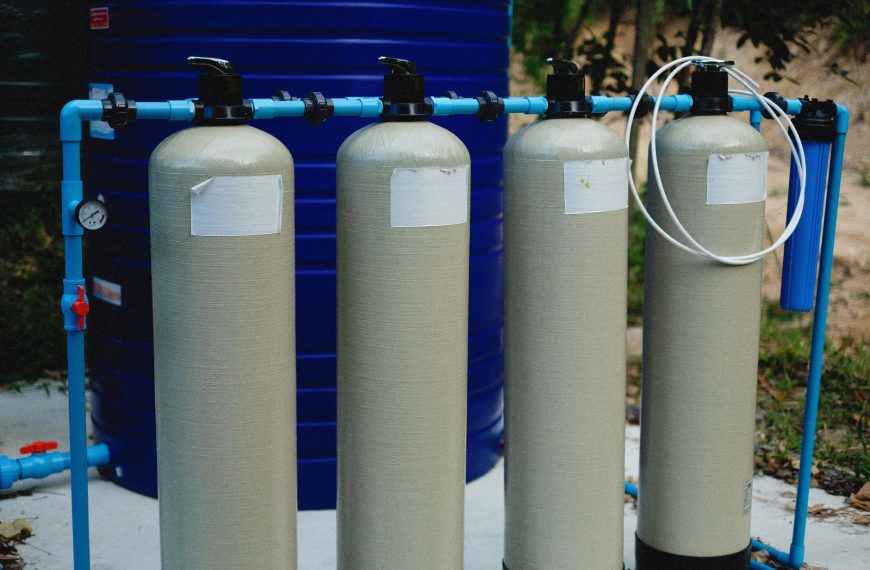
A whole-house well water filtration system treats water before it reaches faucets, showers, appliances, and fixtures. It addresses contaminants carried through private wells, such as sediment, iron, sulfur compounds, hardness minerals, or bacteria, depending on the water test and equipment selected. The system also protects plumbing from deposits and staining while improving the water’s appearance, smell, and taste. Knowing what each stage does makes it easier to judge a treatment plan, starting with the point of entry.
Treatment begins with a test that identifies substances in the water and their concentrations. A homeowner comparing equipment for a private well can review the best Maryland and Delaware well water filtration systems before choosing filters, tanks, or disinfection equipment. The right setup depends on test results, water use, plumbing size, and maintenance requirements, rather than a single standard package.
What Happens at the Point of Entry
A whole-house system connects to the main water line after the pressure tank and before indoor plumbing. Every treated fixture receives water through this point, including bathroom sinks, kitchen faucets, washing machines, and water heaters. This arrangement differs from a faucet filter or refrigerator cartridge. Point-of-use devices treat water at a single outlet, while whole-house equipment treats water used throughout the property. The placement also reduces contact between untreated well water and household plumbing.
How the Filter Stages Work
A sediment filter captures suspended particles such as sand, silt, clay, and rust. Removing these particles protects later equipment and prevents visible debris from reaching faucets or washing machines. Activated carbon targets chlorine, odors, and certain organic compounds. Private wells usually do not contain chlorine unless the water is disinfected, so carbon selection must match the test results and treatment plan. Water with iron or sulfur often requires specialized equipment. Oxidation converts dissolved contaminants into particles that a filter then captures. An air injection or chemical feed stage can support this process, depending on the water chemistry.
What the System Removes
Filtration does not remove every contaminant in a single process. Sediment filters remove particles, carbon removes certain taste and odor compounds, and softeners remove hardness minerals. Iron can leave orange stains on sinks, toilets, laundry, and plumbing. Sulfur compounds often create a rotten-egg odor. Treatment equipment must match the form and concentration of each contaminant because dissolved and particulate forms behave differently. Bacteria require a disinfection method, such as ultraviolet treatment or chemical injection. Ultraviolet systems expose water to light that inactivates microorganisms as water passes through the chamber. The water must remain clear enough for the light to reach those organisms.
Why Flow Rate and Sizing Matter
A filter must handle the home’s peak flow rate without creating excessive pressure loss. A system that is too small can reduce shower pressure and slow appliance fill rates when several fixtures operate simultaneously. Tank size also affects treatment performance and service intervals. Larger homes, families, irrigation demands, and high iron levels require different sizing decisions. A water professional uses test results and household demand to select the correct equipment capacity.
Maintenance Keeps Treatment Working
Each component has a service requirement. Sediment cartridges need replacement when they become loaded, while carbon media requires replacement after its treatment capacity is reached. Softener tanks need salt or potassium replenishment and periodic regeneration. Ultraviolet systems require lamp replacement on the manufacturer’s schedule, even when the lamp still produces visible light. A homeowner should monitor changes in odor, staining, pressure, and taste. These changes can signal exhausted media, a blocked filter, a failed component, or a shift in well water conditions.
What a Water Test Should Guide
A complete well water test should guide equipment selection instead of relying on symptoms alone. The test should identify bacteria, pH, hardness, iron, manganese, sulfur-related compounds, nitrate, and other relevant contaminants. The results also help determine whether pretreatment is necessary. For example, sediment removal can protect a carbon filter, softener, or ultraviolet chamber from premature fouling. Testing after installation confirms whether the system performs as intended. Periodic testing also identifies changes caused by well work, flooding, nearby construction, or seasonal conditions.
Conclusion
A whole-house well water filtration system treats water at the main entry point and then uses separate processes to remove sediment, odors, hardness, metals, and microorganisms. Its performance depends on accurate testing, proper sizing, suitable equipment, and scheduled maintenance. The practical next step is to arrange a laboratory water test and compare its results with household flow demands. That information gives a homeowner a clear basis for selecting treatment stages and planning future service.


