
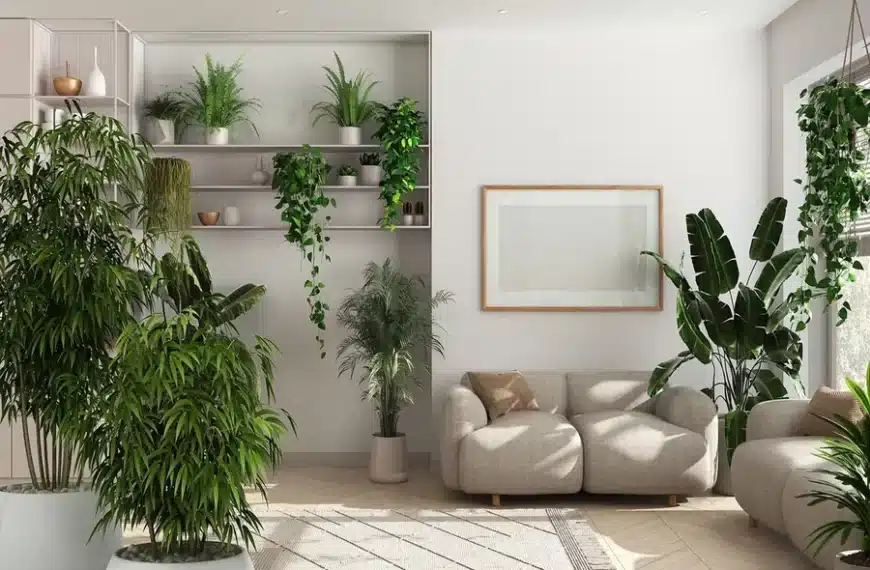
Why Biophilic Design Matters In Contemporary Spaces
Modern interiors increasingly prioritize wellbeing, comfort, and the creation of calming atmospheres, especially for those living and working in dense urban settings. Biophilic design is a response to these needs, purposefully linking occupants to nature using natural materials, organic forms, and the integration of light and greenery. Numerous studies have shown that exposure to natural elements can reduce stress, boost cognitive function, and contribute to greater overall happiness within interior spaces. In places like apartments, offices, and hotels, where outdoor access might be restricted, making thoughtful design choices becomes essential. Instead of treating greenery as a simple decorative piece, biophilic design recognizes it as a fundamental aspect of creating restorative environments. This perspective encourages architects and designers to consider long-term impacts on health and productivity, prompting them to include both real and artificial plants as core planning elements.
The Role Of Artificial Plants In Biophilic Interiors
The latest generation of high-quality artificial plants has undergone significant advancements, far surpassing the synthetic looks of past decades. Today’s artificial greenery features lifelike trunk details, natural variations in foliage coloration, and intricate surface textures. These features echo the priorities of biophilic design, focusing on the authenticity of the user’s experience, even when the plants themselves are not living. Many modern interiors struggle to provide enough natural light or consistent care for live plants to flourish, especially in high-traffic or low-maintenance spaces. Artificial plants can provide steady color, shape, and fullness year-round, sidestepping cycles of wilting and replacement. This reliability can be especially valuable when creating immersive, consistent green settings in areas such as lobbies, meeting rooms, and corridors. Blending artificial greenery with living plants wherever possible helps designers address diverse lighting conditions and maintenance requirements throughout a space.
Key Considerations When Specifying High-Quality Artificial Greenery
Selecting artificial plants for biophilic interiors goes far beyond matching a color to a paint swatch. Realism is essential, with better products offering varied leaf sizes, subtle hues, and authentic-looking branches that move away from the uniform appearance of lower-grade versions. Durability is crucial, especially in busy settings; UV-resistant finishes help preserve color and prevent fading, while fire-retardant materials may be necessary to meet safety standards in corporate or hospitality contexts. Keeping foliage looking fresh also requires planning for easy maintenance, as accumulated dust can detract from a sense of vibrancy. Designers may also think holistically about plant and furniture placement, light control, and acoustics so that each element contributes to the desired atmosphere. With careful evaluation and planning, artificial greenery becomes a valuable design tool for achieving lasting connections to nature.
Practical Strategies For Integrating Artificial Plants Into Modern Interiors
Effective use of artificial greenery is about intentional composition, not simply filling unused spaces. Designers often begin by anchoring a focal sightline with statement pieces—such as a sculptural tree—then layer in low planters or wall installations to add depth and visual movement. In open offices, foliage can form flexible boundaries, separating zones and providing acoustic benefits while still allowing light to flow throughout. In both hospitality and residential interiors, curated plant clusters can guide how people move through a space or highlight distinctive architectural elements. Planning plant locations to correspond with daily movement paths—such as transition points from entrances to workstations—ensures that natural cues are encountered frequently, contributing to a more cohesive and inviting environment regardless of the underlying style.
Design Ideas For Different Interior Typologies
Each building type presents unique opportunities for biophilic design with artificial plants. In workplaces, greenery is often concentrated in collaborative spaces, quiet areas, and along circulation routes. Some practical approaches include:
- Installing linear planters between desks to provide visual separation without blocking daylight.
- Using artificial green walls in lounges or breakout zones to soften technology-heavy environments.
- Adding potted statement trees at main entrances for a welcoming atmosphere.
Residential spaces, where time for plant care may be limited, can also benefit from carefully placed artificial greenery. This might involve:
- Combining small tabletop plants with taller standing varieties to add plushness to minimal interiors.
- Framing windows or balcony views with foliage to balance hard edges and bring visual harmony.
- Selecting styles that complement other design elements, from geometric arrangements in contemporary settings to lush, layered groupings in eclectic homes.
Through a thoughtful approach tailored to each space, artificial plants make it possible to maintain the spirit of biophilic design, while minimizing the constraints that come with live specimens. Specialists like Faux Natural offer a wide range of options suited for integrating greenery seamlessly into any modern interior, ensuring both realistic aesthetics and long-term satisfaction.


