
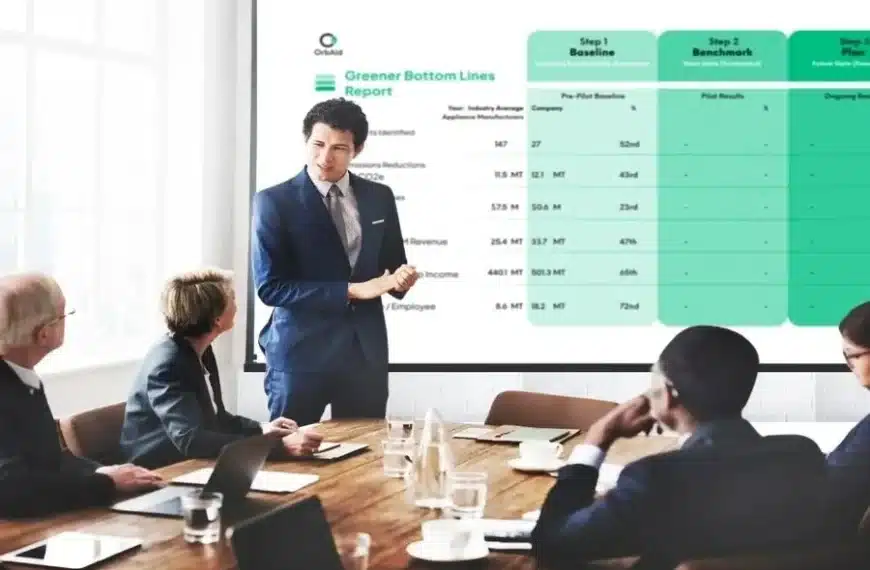
Not all “green” projects are actually doing good. Some just sound nice on paper. So how can you tell if a sustainability project is actually making a difference? Start with transparency. Real, impactful projects will usually share clear information about where their money goes, what goals they’re hitting, and how they’re being monitored. If you can’t find answers to basic questions, it might be a red flag.
Check if they’re working with recognised registries. These registries track and verify climate-positive efforts like reforestation, methane capture, or renewable energy. When a project is listed with one of these organisations, it adds a layer of accountability.
Know What Types of Projects Make an Impact
Not all carbon-cutting ideas have the same value. For example, planting trees is great — but reforesting land that was recently cleared is usually more effective than just handing out saplings in cities. Renewable energy projects like wind and solar farms can have bigger, measurable impacts, especially when they help reduce dependence on coal or oil.
You’ll also see projects focused on methane capture from landfills or farming. These tend to reduce emissions quickly and on a large scale, which is what some groups are after.
That said, try not to get caught up in what sounds impressive. The best projects often quietly do a lot of good without flashy headlines.
Look at Who’s Funding the Project
Where the money comes from — and how it’s managed — matters more than most people realise. Many impactful initiatives are supported by businesses or individuals who invest in a reputable carbon credits fund. These funds allow people to pool their money into large-scale projects that wouldn’t be possible otherwise.
When these funds are transparent and well-managed, they offer a practical way to support meaningful climate action. Just make sure the fund you’re looking at gives clear details about what types of projects it backs and how it verifies outcomes. Vague promises are easy to make; evidence is harder to fake.
Ask Questions Before You Commit
Supporting climate projects shouldn’t be something you rush into. Here are a few questions that can help you decide if something is worth backing:
- Who is running the project, and what’s their track record?
- What’s the exact goal, and how do they measure progress?
- Is the project solving a real problem, or just putting a nice label on business as usual?
- Can you find independent verification of their claims?
Asking even one or two of these questions can help you avoid greenwashing — where companies make something sound eco-friendly just for show.
Understand the Long-Term Value
Some projects are designed to deliver fast results, while others are meant to build long-term change. Both approaches have value, but it helps to know which one you’re supporting. A tree-planting project might take decades to make a real dent in carbon levels. A methane capture system, on the other hand, can start reducing emissions almost immediately.
There’s also the question of permanence. Does the project protect the land or technology long-term, or is it at risk of falling apart after a few years? A good project will have plans in place for ongoing management, monitoring, and funding.
Stay Informed Without Getting Overwhelmed
You don’t have to become an expert to make good choices, but knowing a few basics can go a long way. Sites that break down the science in simple terms can be really useful when you’re trying to understand what actually works.
One way to get started is by reading about how carbon offsetting actually works — including the limits, the benefits, and the trade-offs. That can help you decide where you stand and what kinds of projects align with your values.
Final Thoughts on Supporting Smart Climate Action
Supporting sustainability doesn’t have to mean starting your own project or becoming a climate scientist. In many cases, it’s about asking the right questions and making thoughtful choices with your time or money. Whether you’re contributing to a group effort or choosing where to spend, being informed helps you avoid greenwashing and back the kinds of efforts that actually move the needle. By staying curious, looking for accountability, and focusing on impact over appearances, you’ll be in a much better position to support projects that actually make a difference — both today and for the long haul.


