
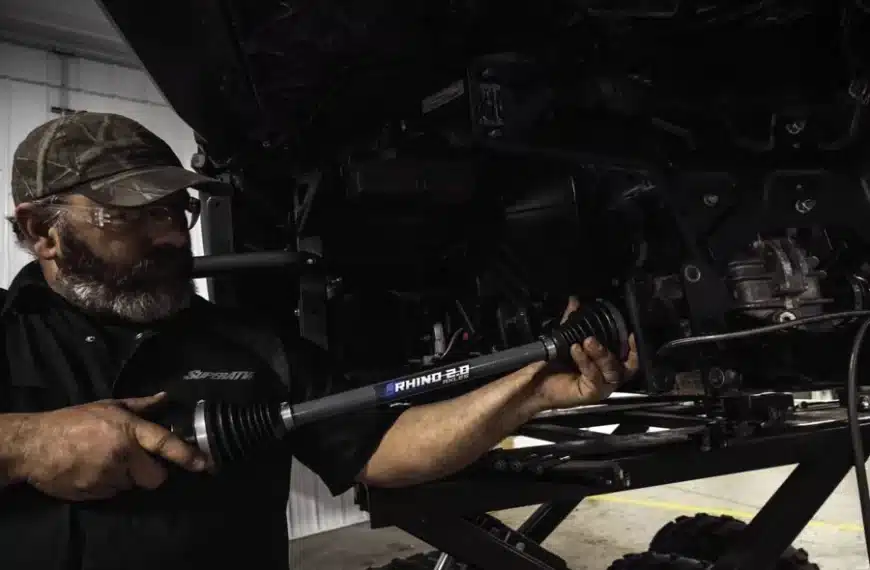
Working on your car’s drivetrain can be one of the most satisfying parts of vehicle maintenance—especially for those who enjoy solving mechanical challenges in their garage. One of the toughest but most rewarding jobs is removing a stuck axle. Whether you’re servicing a rear-wheel-drive car, replacing wheel bearings, or doing a rear axle removal DIY project, you’ll likely encounter an axle that refuses to budge. That’s where having the right tools, such as an axle puller and bearing press kit, makes all the difference. With the right approach and patience, even the most stubborn axle can be removed safely and efficiently.
This guide walks you through how to identify when an axle needs to be removed, the steps for using an axle puller tool, and practical tips for avoiding damage during the process.
Understanding the Role of an Axle
Before diving into removal techniques, it’s important to understand what the axle does. In simple terms, the axle connects your wheels to the drivetrain, transmitting power from the transmission or differential to the wheels. Depending on your vehicle type—front-wheel, rear-wheel, or all-wheel drive—the axle assembly will look different.
Axles are built to handle heavy torque and loads, but over time, they can seize in place due to corrosion, debris, or lack of lubrication. In such cases, a simple tug won’t be enough. Attempting to pry or hammer the axle out can cause serious damage to bearings, seals, and splines. The safest solution is using an axle puller, a specialized tool designed to extract the axle evenly without harming the surrounding components.
Signs You Need to Remove the Axle
There are several situations where removing the axle becomes necessary:
- You’re replacing a worn-out bearing or seal.
- The axle has developed play or noise when rotating.
- You notice oil leaks near the differential.
- The vehicle experienced impact damage, bending or seizing the axle.
When performing rear axle removal DIY, always inspect related components like wheel bearings, brake assemblies, and seals. This ensures that once the axle is out, you can address any hidden wear or contamination before reinstalling.
Preparing for the Job
Before starting, park your vehicle on a flat surface and engage the parking brake. If you’re working on a rear axle, safely lift the vehicle with a jack and support it on sturdy jack stands. Remove the wheel and brake drum or caliper to expose the axle end. Cleaning the work area helps prevent dirt from entering the open assembly during removal.
At this point, gather all necessary tools:
- Axle puller (also known as a slide hammer or hub puller)
- Bearing press kit (for reinstallation and bearing service)
- Socket and wrench set
- Penetrating oil
- Rubber mallet and shop rags
Having everything ready beforehand prevents unnecessary delays once the axle is loose.
How to Use an Axle Puller Tool
If you’ve never used one before, understanding how to use an axle puller tool properly is crucial. The tool operates by attaching to the axle flange or hub and applying outward force to pull the axle from the housing. Depending on your setup, you may be using a slide hammer-style puller or a bolt-mounted flange puller.
Start by securing the puller to the axle flange using the provided bolts. Make sure it’s centered and snug to prevent slippage. Once in place, apply steady, even force. For a slide hammer, pull firmly along the axis of the axle—short, controlled motions work best. The goal is to use consistent impacts to loosen the axle from the bearing and seal without bending or twisting it.
If the axle refuses to move, apply a bit of penetrating oil where the axle meets the housing and give it a few minutes to soak in. Then continue pulling. Avoid using a metal hammer directly on the axle or housing, as this can cause cracks or misalignment. Patience and precision are key.
When the axle finally releases, it will usually come out with the bearing still attached. Keep your grip steady to avoid dropping it. Set the axle on a clean, padded surface to inspect it for wear, corrosion, or scoring.
Fixing a Stuck Axle
Sometimes, even with the proper axle puller, a stubborn or rusted axle refuses to come out. In this case, the key is not to force it but to work gradually. Soak the area with penetrating lubricant, gently tap the axle flange with a rubber mallet, and alternate between tension and rest to allow the oil to penetrate.
Heat can also help in extreme cases. Carefully applying a heat gun or torch around the axle housing (never directly on the bearing) can expand the metal slightly, breaking the bond that’s keeping the axle stuck. However, if you’re new to stuck axle fix procedures, proceed cautiously—overheating can damage seals or warp components.
If the axle remains immovable, you may need a more powerful puller setup or professional assistance. Using an impact slide hammer or a heavier-duty axle puller tool can provide the extra leverage needed, but always prioritize safety and control.
Inspecting and Servicing Bearings
Once the axle is out, inspect the bearings and seals. In most cases, these components will need replacement, especially if they show signs of corrosion or uneven wear. This is where a bearing press kit becomes useful.
The bearing press kit allows you to remove and reinstall bearings smoothly without damaging the housing. It uses adapters and threaded rods to press the bearing in and out evenly. Before reinstalling, clean the inside of the housing and apply a thin layer of grease. Press the new bearing in slowly, ensuring it seats fully against the stop. A properly installed bearing ensures smooth rotation and prevents leaks.
Reinstalling the axle is simply the reverse process—slide it in carefully, align the splines with the differential, and press it until it seats. You can gently tap it with a mallet if needed, but avoid striking it directly. Once everything is in place, reinstall the brake components and wheel.
Safety Tips for Rear Axle Removal DIY
Performing rear axle removal DIY safely requires patience and attention to detail. Here are some key precautions to keep in mind:
- Always support the vehicle securely on jack stands before working underneath it.
- Never rely solely on a hydraulic jack.
- Wear gloves and eye protection to guard against debris and sharp edges.
- Keep tools clean and organized to avoid contamination of internal parts.
- Use torque specifications when reinstalling bolts to ensure proper assembly.
Following these steps not only prevents injury but also ensures the longevity of your vehicle’s drivetrain components.
Common Mistakes to Avoid
A few common errors can lead to damaged components or longer repair times. Avoid prying on the axle with screwdrivers or crowbars—this can bend the flange or gouge the housing. Don’t use excessive force on the axle puller either; if it’s not moving, there’s likely an underlying issue such as rust or misalignment that needs to be addressed first.
Skipping the inspection of bearings and seals is another mistake. Even if the old parts look fine, reusing worn components can lead to leaks or vibration later. Investing in a bearing press kit and new seals is worth it for long-term reliability.
Lastly, never forget to check fluid levels after reassembly. If you’ve opened the differential housing or axle tube, you may have lost some gear oil. Refill to the manufacturer’s specifications to prevent premature wear.
Why the Right Tools Matter
The difference between a frustrating repair and a smooth one often comes down to the tools you use. The axle puller provides even, controlled force that eliminates guesswork and prevents damage to precision parts. A bearing press kit ensures proper alignment and seating of new bearings. Together, these tools simplify what could otherwise be a time-consuming and physically demanding task.
Professionals rely on these tools daily because they save time and reduce the risk of costly errors. For DIY enthusiasts, owning them means more independence and the ability to tackle bigger projects at home. They transform the daunting job of a stuck axle fix into a manageable and rewarding challenge.
Conclusion
Removing a stubborn axle may seem intimidating at first, but with the right preparation, patience, and tools, it’s a task any dedicated DIY mechanic can handle. Learning how to use an axle puller tool correctly makes the process safer and more efficient. Coupled with a quality bearing press kit, you can replace bearings, seals, and even restore the axle housing with professional-level precision.
Whether you’re performing a rear axle removal DIY project on your weekend car or helping a customer in your repair shop, the key is to stay methodical. Start with the basics—safety first, use proper tools, and never rush the job. Every step you take carefully ensures not only a successful stuck axle fix but also the longevity of your vehicle’s drivetrain.
In the end, mastering axle removal is about more than just fixing a car—it’s about building confidence, skill, and a deeper understanding of how your vehicle works. The next time you face a stubborn axle, you’ll know exactly what to do, and your axle puller will be ready to get the job done right.


