
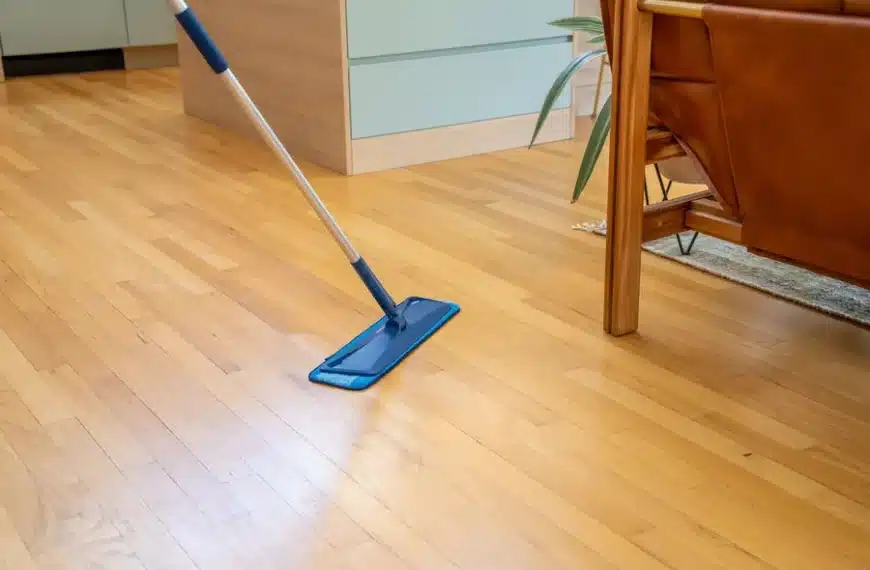
Modern home design rarely adheres to a single type of flooring. Walk through a contemporary house, and you are likely to experience a variety of textures: plush area rugs in the living room, gleaming hardwood in the hallway, and durable ceramic or stone tile in the kitchen and bathrooms. While this aesthetic variety adds depth and character to a home, it presents a significant logistical challenge for cleaning.
Each surface has its own “kryptonite.” Water is the enemy of hardwood; dirt accumulation destroys the grout lines in tile; and dust mites burrow deep into carpets where brooms cannot reach. For homeowners, the challenge is finding a cleaning routine that is aggressive enough to sanitize tile but gentle enough to preserve the finish of expensive wood.
To navigate this mixed-surface landscape effectively, one must move away from the “one mop fits all” mentality and embrace tools that adapt to the specific needs of the floor beneath them.
The Hardwood Dilemma: Moisture Control
Hardwood flooring is an investment that can last a lifetime, but it is notoriously finicky. The primary rule of hardwood maintenance is moisture control. Traditional mopping is often too wet; slopping water onto wood can cause the planks to swell, warp, or cup at the edges. Conversely, dry sweeping often misses the fine dust that settles into the grain, dulling the finish over time.
The ideal maintenance solution for hardwood is consistent, low-moisture cleaning. This is where the vacuum and mop robot shines as a daily preservation tool. Unlike manual mopping, where human error can lead to puddles, advanced robotic systems use precision water control. They dispense just enough moisture to capture dust and polish the floor without leaving standing water that could seep into the seams.
Furthermore, the “smart” aspect of these devices is crucial for mixed-surface homes. High-end models can map your home, distinguishing between the hardwood hallway and the living room rug. They automatically lift their mopping pads or avoid carpeted areas entirely when in mopping mode, ensuring your rugs stay dry while your wood floors get polished. This automated discrimination protects your home from the accidental damage caused by dragging a wet cloth over a surface that shouldn’t get wet.
The Tile Challenge: Deep Grout Cleaning
If hardwood requires a gentle touch, tile and stone require muscle. The surface of the tile itself is durable, but the grout lines are porous and act as magnets for grime, spilled liquids, and kitchen grease. Over time, these lines darken, making the entire floor look dirty regardless of how often you sweep.
A robot is excellent for maintaining the surface cleanliness of tile, but when it comes to deep cleaning the kitchen after a week of cooking, or scrubbing the bathroom floor, you need higher extraction power. You need to pull the dirty water out of the grout, not just wipe over it.
This is the domain of the wet dry vac. These devices are designed to tackle the heavy-duty friction required for tile. The brush rollers agitate the surface to loosen sticky messes, while the powerful suction immediately pulls the dirty solution into a separate tank. This “agitate and extract” method is the only way to truly clean grout without getting down on your hands and knees with a toothbrush.
For mixed-surface homes, the wet dry vacuum is also the bridge between textures. Many models feature multi-surface modes. You can scrub the tiled kitchen floor with high water flow, and then switch to a lower water setting to quickly clean a sealed laminate or vinyl entryway, all without changing tools.
Preventing Cross-Contamination and Surface Scratching
One of the overlooked risks of cleaning mixed surfaces is cross-contamination—not just of bacteria, but of debris. Dragging a vacuum that has been churning over a rough slate floor onto a delicate high-gloss hardwood can sometimes lead to scratching if grit gets stuck in the wheels or brushes.
To mitigate this, a segmented approach is best:
- The “Soft” Pass: Use your robotic cleaner for daily dust and light debris removal. Its brushes are generally designed to be non-abrasive, making it safe for delicate wood finishes. By running this daily, you remove the abrasive grit (sand, dirt particles) that scratches wood floors when stepped on.
- The “Hard” Pass: Use the wet dry vacuum for targeted, deep cleaning of durable zones like kitchens and entryways. Since these machines self-clean their rollers, you ensure that you aren’t grinding old dirt into your floors.
Longevity Through Correct Care
Replacing flooring is expensive and disruptive. The key to extending the life of your floors is simply using the right tool for the terrain.
- For Wood: Focus on frequency over intensity. Gentle, daily removal of dust using a robot prevents the buildup that requires harsh scrubbing later.
- For Tile: Focus on extraction. Use wet-dry technology to remove the dirty water completely, preventing the grout from absorbing grime.
By treating your home as a collection of distinct ecosystems rather than a single surface, you ensure that your cleaning routine enhances your home’s value rather than slowly wearing it down. The combination of intelligent automation for the delicate areas and robust power for the durable zones creates a perfect balance for the modern home.


