
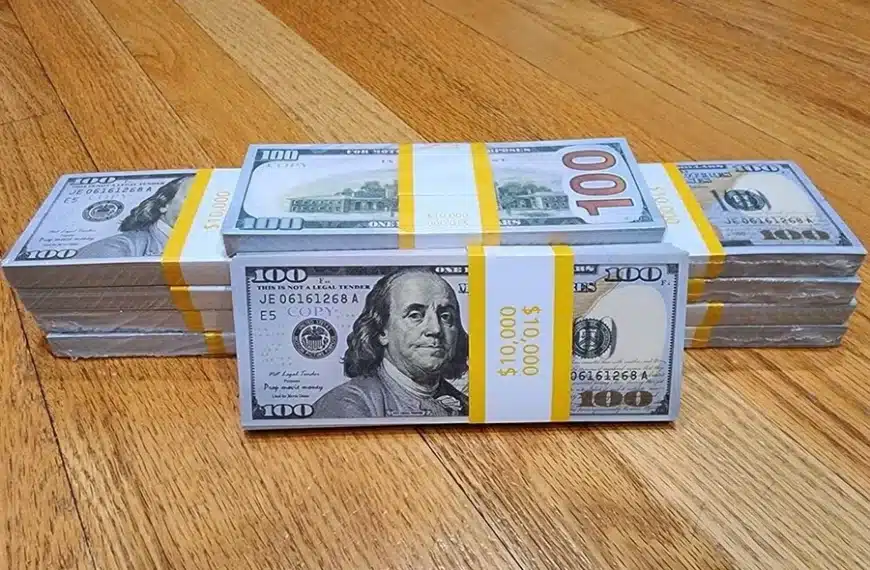
Fake movie money can look surprisingly real at first glance. That is precisely why it is so often questioned. How does it differ from real money, and where is the line between a prop and something illegal? The specifics matter, everything from printed markings and paper quality to its eventual use. Understanding the distinction maintains clarity and quickly explains why movie money serves as a tool for making movies and is certainly not an alternative to actual cash.
Purpose and Use
Fake movie money notes have a purpose when it comes to entertainment. These are fake currency notes that filmmakers use for scenes related to transactions, heists, or showcasing affluence. Using real money carries security risks, and it can disappear on set. With imitation notes, you cannot risk all of these things, and everyone will be safe. This type of currency is an easy way for directors to quickly film real scenes without putting valuable property in harm’s way.
Appearance and Material
Real notes are made using some advanced printing processes. Each uses special paper, unique textures, and meticulous inks. Compare that to movie cash that uses a much lower grade of paper. This paper sometimes presents itself as a smoother, lighter version of the real. However, the replicas generally lack the complex security features that are present in genuine banknotes. However, upon close observation, these discrepancies differentiate the real coins from the replicas.
Security Features
Real currency notes involve all kinds of layers of protection. It becomes almost impossible to counterfeit them due to the presence of holograms, watermarks, or microprinting. Certain bills even incorporate security threads or color-shifting ink. These measures are rarely included in prop cash. While replicas may have a similar visual appeal, they cannot reproduce embedded security strips or other replicated technology.
Printing Quality
Banknotes issued by monetary authorities carry with them high-definition pictures and crisp lines. The quality of printing is difficult to reproduce. Movie money conveys less clarity, and even the printed images or numbers will sometimes be a bit of a timid process. Edges could be inconsistent, and colors might not be as bright. Real notes can be seen under magnification and have finer details than imitation notes.
Regulations and Restrictions
Strict laws are in place on the production and usage of fake money by governments. So, prop money cannot look exactly like real notes. This requirement includes factors such as size, color, and markings. If you fail to comply with the mentioned guidelines, you may be charged criminally. Filmmakers and prop suppliers can follow these regulations. These are efforts to minimize the possibility of their notes being confused with real money.
Handling and Durability
Notes from the official authority are designed to be durable. They do not tear, repel water, and are more resistant to general wear. Movie money lacks such durability. Using it more and more can make it crumple or dissolve. Compared to real bills, the texture and durability of fake money are markedly different. This difference makes itself known over a long period of time.
Risk of Misuse
Fake currency notes often stray outside of filming environments, but there are often clear warning signs of what is fake. Unscrupulous individuals might try to leverage them in transactions. The penalties for passing off prop money are quite serious. Law enforcement treats such acts as counterfeiting. Knowledge of these risks protects retailers and the general public from losing money to fraud.
Detecting Fake Notes
To identify a fake one, spot the details. Just random tactile [feel] and watermarks give you hints. Also, looking at the print quality and checking for legal disclaimers helps. By using light tests, you can find out if there are visible security threads or holographic images. Banks and stores train their employees to detect these indicators. Additionally, the general public can learn to avoid falling for fake currency.
Collectible and Decorative Uses
Others gather movie cash as memorabilia or home decor. For amateur filmmakers, these make great conversational pieces or props. Therefore, collectors must clearly label their items to prevent their use in transactions. That said, showing them off as part of a collection or for a novelty effect doesn’t affect anyone negatively. They keep serving the purpose they are supposed to serve, and we don’t misuse them.
Conclusion
It is still important to know the differences between fake movie money and true currency for safety and legal compliance. They are set apart by unique materials, design elements, and legal markings. Awareness of these items helps prevent confusion and potential harm by ensuring that replicas serve their intended purpose while aiding in fraud protection and supporting legitimate entertainment production.


