
Pancreatitis can be a frightening experience, often causing sudden, severe abdominal pain and, in many cases, leading to hospitalisation. It is common for patients and their families to worry about what comes next, with one of the most frequent questions being, “Do I need surgery, or is there another option?”
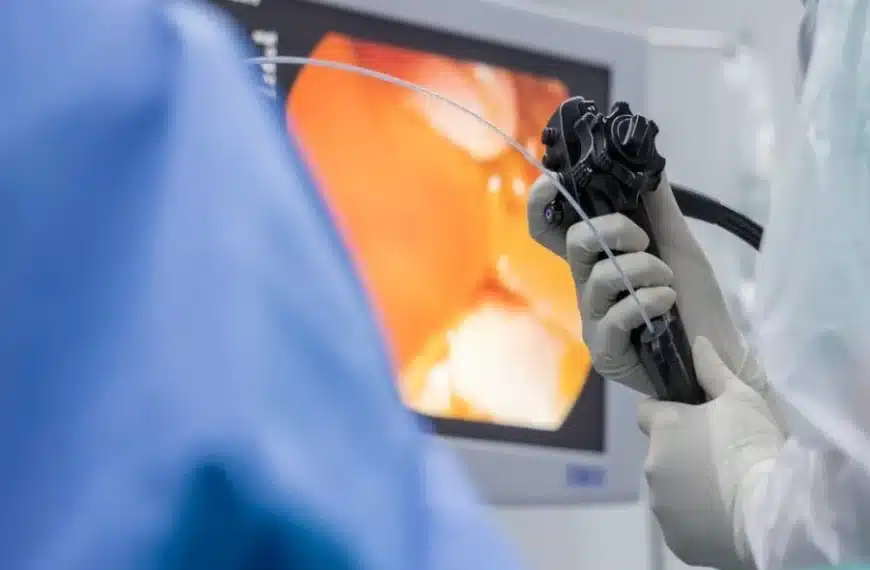
When discussing treatment, two approaches are often mentioned. One is Endoscopic Retrograde Cholangiopancreatography (ERCP), a minimally invasive endoscopic procedure, and the other is surgery approach, which may be required in more serious cases.
This article aims to explain when ERCP is the safer option, when surgery becomes necessary, and how doctors decide on the most appropriate treatment for pancreatitis. For a deeper understanding of ERCP and how it works, you may read more about the procedure here https://www.leesurgery.com.sg/service/endoscopic-retrograde-cholangiopancreatography-ercp/.
Understanding Pancreatitis and Its Severity
Pancreatitis occurs when the pancreas becomes inflamed, often due to blockage or irritation of the pancreatic or bile ducts. The condition can range from mild attacks that settle with rest and medication to more severe or repeated episodes that cause ongoing pain and digestive problems.
In many cases, pancreatitis is triggered by gallstones, alcohol use, or narrowing of the ducts, which prevents digestive juices from flowing normally. Doctors usually classify pancreatitis based on how severe the inflammation is and whether complications are present. Mild pancreatitis may improve with supportive care such as fluids, pain control, and dietary adjustments.
However, severe or recurrent pancreatitis may indicate an underlying blockage or structural issue that needs intervention. This is where procedures like ERCP or, in more complex cases, surgery may be considered to prevent further attacks and long-term damage to the pancreas.
What is ERCP and When is It Used?
ERCP is a specialised procedure used to diagnose and treat problems affecting the bile and pancreatic ducts. It allows doctors to identify and manage blockages that may be causing pancreatitis. ERCP is commonly recommended in situations such as:
- Gallstones lodged in the bile duct, preventing normal drainage
- Persistent jaundice, where bile flow is obstructed
- Repeated episodes of pancreatitis linked to ductal blockage
- Narrowing or strictures of the bile or pancreatic ducts
- Suspected growths or abnormalities affecting duct flow
In these situations, ERCP can directly address the underlying cause rather than just managing symptoms.
How ERCP Helps Reduce the Need for Surgery
One of the main advantages of ERCP is that it can treat the problem without open surgery. By removing stones, widening narrowed ducts, or placing small stents, ERCP restores normal flow and relieves pressure on the pancreas.
This often leads to faster pain relief, shorter hospital stays, and quicker recovery. For many patients, successful ERCP means avoiding surgery altogether, especially when the pancreatitis is caused by duct blockage rather than severe pancreatic damage.
When Surgery Becomes Necessary
Surgery is usually considered only when less invasive treatments are not effective or when serious complications develop. Specialists may recommend surgery in situations such as:
- Severe pancreatitis that does not improve with medication or endoscopic treatment
- Infected or damaged pancreatic tissue that needs to be removed
- Structural problems or extensive scarring that cannot be treated endoscopically
- Ongoing symptoms or complications affecting nearby organs
Although surgery can sound intimidating, it is advised only when the benefits clearly outweigh the risks and when it offers the best chance for recovery and long-term health.
ERCP vs Surgery – Which Procedure is Safer?
Many patients want to know which option is safer when treating pancreatitis. The answer depends on the cause of the condition, its severity, and the patient’s overall health. Below is a simple comparison to help explain the differences.
| Aspect | ERCP | Surgery |
| Type of procedure | Minimally invasive, performed using an endoscope | Invasive, involving incisions |
| Common use | Treating bile duct or pancreatic duct blockages | Treating severe damage or complications |
| Recovery time | Usually faster, often same-day or short stay | Longer recovery and hospital stay |
| Pain after procedure | Generally mild to moderate | Usually more significant |
| Risk level | Lower for suitable patients | Higher, but necessary in complex cases |
While ERCP is often the safer first option for suitable cases, surgery plays an important role when complications are severe or cannot be managed endoscopically. Specialists will carefully assess each patient to recommend the safest and most effective treatment approach.
Conclusion
Choosing between ERCP and surgery for pancreatitis can feel overwhelming, but the right approach depends on the cause and severity of the condition. In many cases, minimally invasive treatments like ERCP can effectively relieve blockages and reduce inflammation, helping patients recover faster. Surgery is reserved for more complex situations where it offers the safest and most definitive solution.
Early assessment by an experienced specialist allows treatment to be tailored to each patient’s needs, reducing risks and improving outcomes. If you need professional advice, contact our clinic at:


