
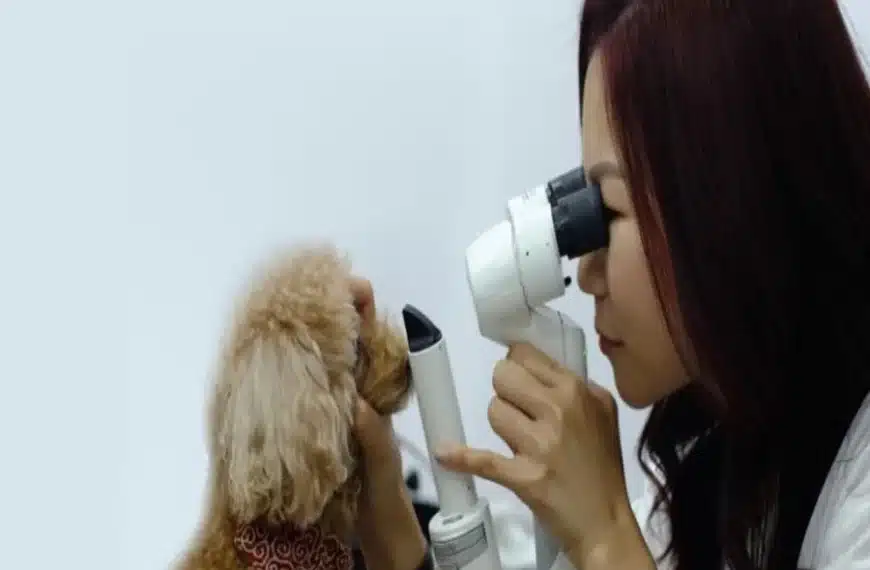
A dog’s vision is a vital component of its overall health and well-being. Just as humans require regular eye check-ups, dogs benefit significantly from routine eye examinations. These assessments not only preserve sight but also help detect underlying health issues before they become severe. Understanding the importance of canine eye exams, recognizing warning signs, and learning how to care for your dog’s eyes are essential for any responsible pet owner.
Understanding Canine Eye Health
The canine eye, while similar in function to the human eye, is susceptible to a variety of conditions that can impact vision and quality of life. Dogs may experience issues such as cataracts, glaucoma, retinal degeneration, conjunctivitis, and other ocular disorders. Many of these conditions are progressive, and early detection through regular eye exams can prevent irreversible damage and preserve sight.
Breed, age, and genetics can influence a dog’s eye health. Certain breeds, like Dachshunds or Australian Cattle Dogs, have higher predispositions to hereditary eye problems. Age-related changes may also increase susceptibility to cataracts or retinal diseases. Monitoring a dog’s eyes allows for timely intervention, maintaining not only vision but overall health and mobility.
Recognizing When an Eye Exam Is Needed
Pet owners should remain attentive to their dog’s eye health. Signs indicating that a veterinary eye examination is required include redness, cloudiness, excessive tearing, squinting, bumps around the eyes, persistent pawing at the face, or signs of difficulty seeing. These symptoms often signal conditions that require immediate attention to prevent further complications.
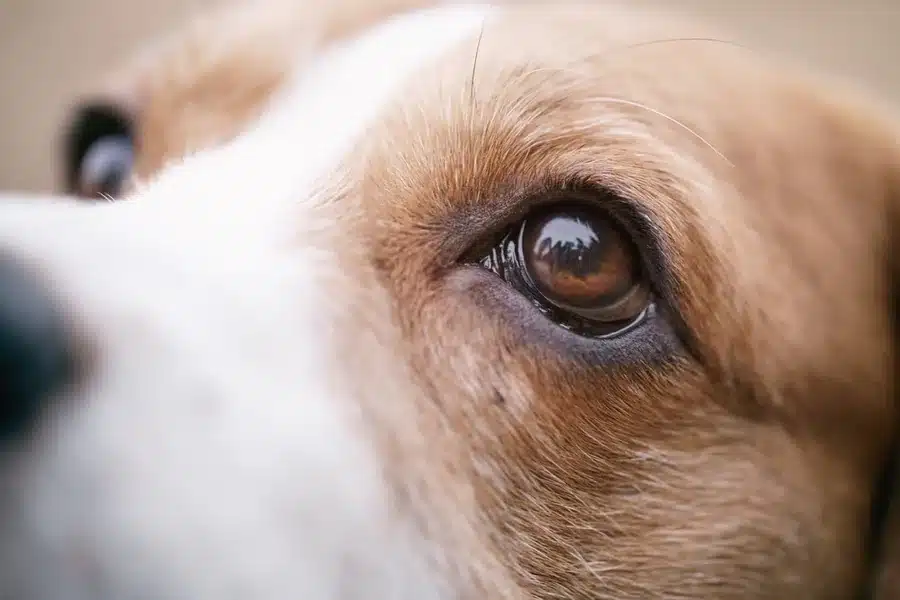
Routine eye exams serve as a preventive measure, allowing veterinarians to detect early-stage disorders that may not yet exhibit obvious symptoms. Early intervention often leads to more effective treatment, minimizing discomfort and safeguarding the dog’s quality of life.
The Importance of Regular Dog Eye Exams
Regular eye examinations are crucial for preserving vision and overall health. Early detection of ocular issues can dramatically improve outcomes, allowing for prompt treatment and management. Timely care can prevent complications, preserve sight, and enhance the dog’s comfort and daily functioning.
These exams are not solely for vision-related conditions. Ocular assessments can reveal signs of systemic illnesses such as diabetes, hypertension, or autoimmune disorders. By maintaining routine check-ups, pet owners contribute to their dog’s long-term health and well-being.
What to Expect During a Dog Eye Exam
A comprehensive dog eye exam typically begins with a visual inspection, evaluating the cornea, sclera, and eyelids. Veterinarians may use specialized tools to examine internal structures, assess pupil response, and detect abnormalities in the retina or optic nerve. Tests may include fluorescein staining, tonometry for intraocular pressure, and ophthalmoscopy to evaluate internal eye structures.
Post-examination, the veterinarian will discuss findings, outline treatment options if needed, and recommend follow-up care. This may involve medications, surgical intervention, or lifestyle adjustments to support eye health. Pet owners gain valuable guidance on how to monitor and maintain their dog’s vision at home.
Caring for Your Dog’s Eyes
Proper post-exam care is essential to maintaining healthy eyes. This includes administering prescribed medications, keeping the eyes clean, and protecting them from injury or irritants. Nutritional support with a balanced diet and supplements rich in antioxidants may also help preserve ocular health.
Routine home care should include checking for redness, discharge, or unusual behaviors such as squinting or sensitivity to light. Preventive measures, such as avoiding exposure to smoke, dust, or harsh chemicals, also contribute to long-term eye health.
For specialized care, consulting an Eye Specialist For Animals can provide access to advanced diagnostics, treatments, and expert advice tailored to canine ocular health. These specialists offer in-depth examinations and interventions for complex conditions, ensuring that pets receive the highest standard of care.
Home Eye Care Routine
Maintaining good eye health at home complements professional care. Regularly wiping the eyes with gentle, veterinarian-approved solutions, monitoring for changes in appearance, and ensuring proper nutrition all play critical roles. Protective measures, such as keeping dogs away from bright lights or foreign objects, can prevent injuries that may impair vision.
Monitoring for signs of unhealthy eyes is equally important. Symptoms such as cloudiness, excessive tearing, squinting, or difficulty navigating spaces indicate the need for prompt veterinary attention. Early intervention can prevent progression and preserve eyesight.
Conclusion
Regular eye examinations are vital for a dog’s overall health, offering early detection of ocular diseases, guiding effective treatment, and maintaining vision. By understanding the structure of canine eyes, recognizing warning signs, and implementing proper care routines, pet owners can significantly enhance their dog’s quality of life.
Specialized care from an Eye Specialist For Animals ensures that dogs with complex conditions receive expert attention. Combining professional evaluations with diligent home care creates a comprehensive approach to canine eye health, protecting vision and promoting long-term wellness. Ensuring routine check-ups and proactive care allows pets to enjoy their daily activities safely and comfortably, preserving one of their most vital senses.


