
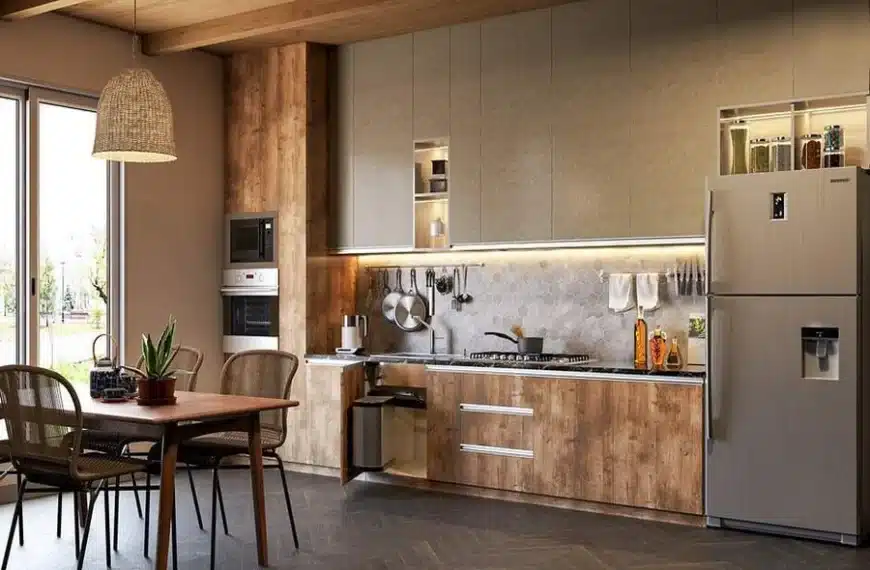
Kitchen cabinets play a central role in how a kitchen looks, feels, and functions. They influence storage, workflow, and the overall atmosphere of the space. Whether you are planning a full renovation or a modest refresh, understanding cabinet options helps ensure decisions that add long term value and daily comfort.
Cabinets are not just containers for dishes and cookware. They shape how efficiently a kitchen operates and how welcoming it feels to family and guests. Materials, layout, and finishes all affect durability, maintenance, and visual appeal. Making informed choices early prevents costly changes later.
As design trends evolve, homeowners have more cabinet styles and configurations available than ever before. From classic designs to modern solutions, the right cabinets can adapt to different lifestyles, cooking habits, and household sizes while maintaining a cohesive look.
Understanding Cabinet Construction
Kitchen cabinets are typically made using either framed or frameless construction. Framed cabinets include a face frame attached to the cabinet box, offering strength and a traditional appearance. Frameless cabinets, sometimes called European style, eliminate the face frame to provide a cleaner look and easier access to storage.
The cabinet box itself is often constructed from plywood, particleboard, or medium density fiberboard. Plywood is valued for strength and resistance to moisture, while engineered boards offer cost savings and consistent surfaces. The choice of box material affects durability and lifespan.
Joinery methods also matter. Dovetail joints, dowels, and screws contribute to cabinet stability. Well built cabinets maintain alignment over time, even with frequent opening and closing in busy kitchens.
Cabinet Door Styles Explained
Door style strongly influences the overall kitchen design. Shaker doors remain popular due to their simple lines and versatility across traditional and contemporary kitchens. Flat panel doors create a sleek, modern appearance, while raised panel doors add depth and classic detail.
Glass front doors can break up solid cabinetry and display dishware or decorative items. They also help smaller kitchens feel more open. However, they require careful organization to maintain a tidy appearance.
The finish applied to cabinet doors impacts both style and maintenance. Painted cabinets offer a wide range of color options, while stained wood highlights natural grain patterns. Each finish has different cleaning and wear considerations over time.
Layout and Storage Efficiency
Effective cabinet layout improves workflow and reduces clutter. Base cabinets typically store heavier items, while wall cabinets keep frequently used items within reach. Tall pantry cabinets maximize vertical space and reduce the need for additional storage furniture.
Modern cabinet design often includes pull out shelves, lazy Susans, and deep drawers. These features improve accessibility and make better use of interior space. Thoughtful storage solutions can transform how a kitchen functions daily.
Homeowners researching kitchen cabinets in Long Island often focus on balancing storage capacity with clean design. Local housing styles and family needs influence cabinet height, depth, and configuration, making customization an important consideration.
Choosing the Right Materials
Cabinet material affects appearance, durability, and cost. Solid wood remains a popular choice for its natural beauty and longevity. Common species include maple, oak, cherry, and birch, each offering distinct grain patterns and color tones.
Engineered materials provide alternatives that resist warping and cracking. Thermofoil and laminate finishes offer smooth surfaces and easy maintenance, though they may be less resistant to heat than wood.
Hardware materials also deserve attention. Hinges, drawer slides, and handles contribute to daily usability. Soft close mechanisms reduce wear and noise, extending cabinet life and improving the user experience.
Color and Finish Considerations
Color selection can dramatically change how a kitchen feels. Light colored cabinets help reflect natural light and make smaller spaces feel larger. Dark cabinets create contrast and add sophistication, especially when paired with adequate lighting.
Finish sheen affects both style and practicality. Matte finishes hide fingerprints but may show stains, while semi gloss and gloss finishes are easier to clean. The surrounding elements, such as countertops and flooring, should guide finish choices.
Timeless colors often provide better long term satisfaction than bold trends. Neutral tones allow flexibility for future updates through paint, hardware, or decor without replacing cabinets entirely.
Custom Versus Stock Cabinets
Stock cabinets are pre manufactured in standard sizes and styles. They are generally more affordable and readily available, making them suitable for straightforward kitchen layouts. However, limited sizing can result in wasted space.
Semi custom cabinets offer more flexibility in dimensions and finishes while remaining cost effective. They accommodate many design preferences without the full expense of custom work.
Custom cabinets are built to exact specifications, allowing complete design control. They are ideal for unique layouts or homeowners seeking tailored storage solutions. The investment is higher, but customization often enhances function and resale appeal.
Maintenance and Longevity
Proper care extends the life of kitchen cabinets. Regular cleaning with mild solutions prevents buildup that can damage finishes. Avoid excessive moisture around sinks and dishwashers to protect cabinet materials.
Inspect hardware periodically and tighten loose screws to maintain alignment. Addressing small issues early helps prevent more significant damage over time.
High quality cabinets, when maintained properly, can last decades. Choosing durable materials and finishes ensures cabinets remain functional and attractive despite daily use.
Planning for the Future
Kitchen cabinets should support both current needs and future changes. Households grow, cooking habits evolve, and storage demands shift over time. Flexible cabinet designs adapt more easily to these changes.
Considering resale value is also important. Neutral designs and durable materials appeal to a wider range of buyers. Well planned cabinetry often becomes a selling point rather than a renovation concern.
By focusing on construction, style, and practical features, homeowners can select kitchen cabinets that enhance everyday living. Thoughtful choices result in kitchens that are efficient, welcoming, and built to last.


