
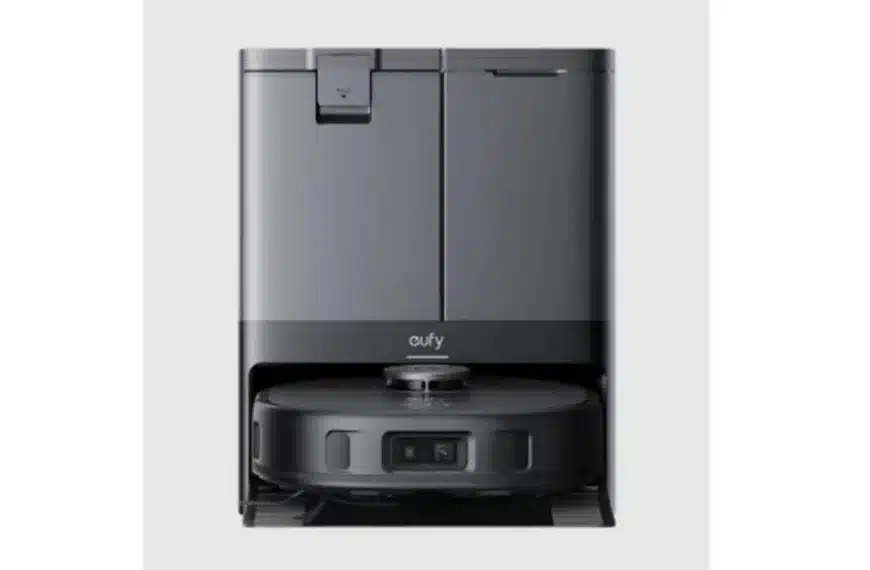
Cleaning technology has come a long way from the era of separate, time-consuming vacuuming and mopping. Today’s households increasingly rely on automated solutions that handle both dry and wet messes at once. Products like eufy’s dry wet cleaner robot have set new expectations for automated cleaning, offering unprecedented convenience for daily chores. These hybrid systems eliminate the need to switch between different tools, making floor care more accessible and less time-consuming for busy individuals and families. This article will explore how these dual-function robots work, their ideal applications, and considerations for incorporating them into your cleaning routine.
How Hybrid Robot Vacuums Manage Dual Cleaning Modes
Separate Dust and Water Tanks for Cross-Contamination Prevention
The most crucial design feature of an effective hybrid cleaning robot is the complete separation of its dry and wet cleaning systems. These devices maintain two entirely independent compartments: one for collecting dry debris like dust, crumbs, and pet hair, and another for holding clean water and dispensing it during mopping operations. This physical separation ensures that dry debris never mixes with the water supply, preventing the creation of muddy messes that would otherwise defeat the purpose of cleaning. The vacuum section operates with its own filtration system, while the mopping function uses a separate pump and nozzle system to distribute water. This thoughtful engineering allows both functions to work in harmony without interfering with each other’s effectiveness, providing thorough cleaning without cross-contamination.
Smart Switching Between Vacuuming and Mopping Actions
Advanced hybrid robots employ intelligent programming to determine when and how to engage each cleaning mode based on the task at hand. Most models are designed to vacuum first, removing dry debris from the floor surface before activating the mopping function to avoid pushing dirt around with wet mops. Sensors detect surface types, automatically adjusting the amount of water dispensed for optimal cleaning on different flooring materials without causing over-wetting. Some sophisticated models can even create virtual maps of your home, allowing you to designate specific areas for vacuuming only, mopping only, or both functions sequentially. This smart automation ensures that each cleaning method works at the appropriate time and place, maximizing efficiency while protecting your floors from potential water damage.
Key Features of Effective Dry-Wet Cleaning Models
When evaluating hybrid cleaning robots, several key features distinguish exceptional models from basic ones. Look for devices with adjustable water flow settings that allow you to control moisture levels based on floor type and cleaning need, from damp dusting to more thorough stain removal. Effective models feature vibration or scrubbing mechanisms in the mopping pad that provide gentle agitation to lift stuck-on debris without damaging floor surfaces. Strong suction power remains essential for the vacuuming function, typically measured in Pascals (Pa), with higher numbers indicating better pickup performance for both fine dust and larger debris. Additional considerations include battery life sufficient for completing both vacuuming and mopping sessions, smart navigation that avoids obstacles and carpets during wet cleaning, and easy-to-clean reusable mop pads that maintain hygiene between uses.
Ideal Use Cases and Cleaning Scenarios
Daily Maintenance Cleaning on Hard Surface Floors
Hybrid robots excel at maintaining hard surface floors like hardwood, laminate, tile, and vinyl on a daily basis. They efficiently remove surface dust, pet hair, and food crumbs while simultaneously addressing light stains and footprints with their damp mopping function. This combination is perfect for kitchens where dry spills like cereal crumbs coexist with minor wet messes like juice splatters or water droplets. The automated nature of these devices means you can schedule cleanings to occur while you’re away from home, returning to thoroughly maintained floors without any manual effort. This consistent maintenance prevents dirt buildup between deeper manual cleanings, keeping your floors in better condition over time and reducing the frequency of intensive cleaning sessions.
Handling Spills and Light Stains with Damp Mopping
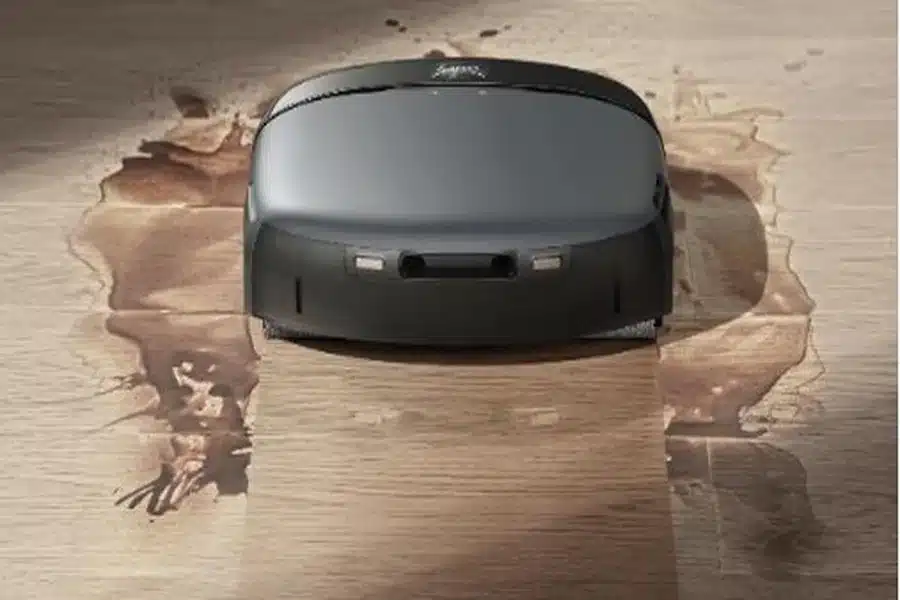
For immediate response to fresh spills and light stains, hybrid robots offer convenient spot cleaning capabilities that combine absorption and mopping actions. When dealing with liquid spills like water, milk, or juice, the vacuum function can help remove excess liquid while the mopping mechanism addresses the residual stain. These devices work particularly well on sticky residues from sugary drinks or dried water spots that benefit from both the mechanical action of the mop pad and the cleaning solution often used in the water tank. While not intended for large flood-level spills, they effectively manage the typical small accidents that occur in busy households. The ability to quickly address these common messes prevents them from becoming set-in stains that require more aggressive cleaning methods later. This quick-response reliability is one reason many shoppers look to brands supported by community feedback, as seen in Bobsweep’s numerous positive reviews that highlight dependable performance in everyday cleaning scenarios.
Maintenance Requirements for Hybrid Systems
Maintaining a hybrid cleaning robot requires attention to both its dry and wet systems to ensure optimal performance and longevity. After each mopping session, you should remove and rinse the mop pad to prevent mildew growth and maintain its cleaning effectiveness, replacing it periodically as it wears out. The water tank requires regular cleaning to prevent algae or bacterial buildup, particularly if you use cleaning solutions instead of plain water. For the vacuum component, you need to empty the dustbin frequently and clean the filter to maintain strong suction power, just as you would with a standard robot vacuum. Additionally, you should periodically check the water dispensing system for clogs and clean the sensors that detect floor surfaces to ensure proper operation.
Conclusion
Hybrid cleaning robots are a major advancement in home automation, combining dry vacuuming and wet mopping in one device. They are particularly useful for households with hard floors, maintaining cleanliness between deep cleanings. While not a substitute for thorough manual cleaning, they simplify routine maintenance by addressing dust and light stains automatically. As technology improves, these versatile machines will likely become even more effective, making them a valuable investment for comprehensive cleaning solutions.


