
You’ve probably used a BMI calculator before. You punch in your height and weight, hit enter, and get a number back. Simple enough. But is that number actually useful? And why do insurance people want to know it?
Understanding BMI Numbers
BMI is just your weight compared to your height. Nothing fancy about it.
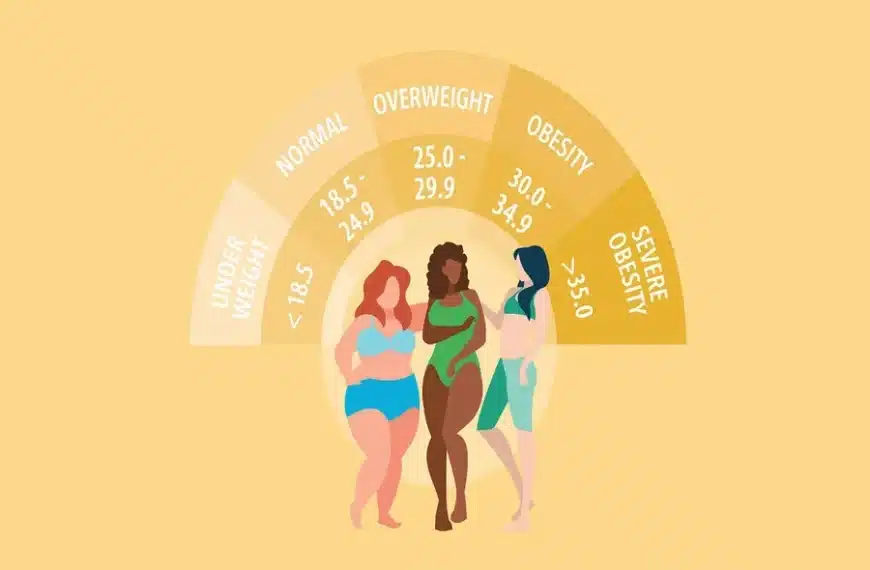
Here’s how they group the numbers:
- Under 18.5 means underweight
- 5 to 24.9 is normal
- 25 to 29.9 is overweight
- 30 or more is obese
That’s what the chart says. But charts don’t always match real life.
Where BMI Gets It Wrong
A BMI calculator asks for two things: height and weight. Nothing else.
It doesn’t ask if you run every morning. Doesn’t care if you eat vegetables or chips. Can’t tell muscle from fat.
Say there’s a guy who plays football. Strong, fast, healthy. Then there’s another guy who never exercises. Both weigh 85 kilos and stand 175 centimetres tall. The calculator spits out the same number for both. Makes no sense, right?
Muscle is heavy. Really heavy. So fit people often score badly on BMI tests even though there’s nothing wrong with them.
Who Should Ignore BMI?
Some people get useless results from BMI.
Anyone who works out a lot will score high. Weightlifters, swimmers, dancers – the calculator calls them overweight. Ridiculous.
Really tall folks and really short folks get weird numbers, too. The math doesn’t work right at the extremes.
Old people have another problem. They lose muscle over the years. BMI might look fine, but they could actually have too much fat.
Kids and teenagers shouldn’t use adult BMI charts at all. Their bodies grow at different speeds.
Insurance and Your BMI
Insurance companies bet on risk. High BMI supposedly means more doctor visits. More medicine. More hospital stays. Whether that’s true or not, they charge accordingly.
What happens if your BMI is high:
- Monthly bills go up
- They ask more health questions
- Might want a medical exam
- Could say no to coverage
Try doing a health insurance comparison online. Almost every form asks for your height and weight. They’re calculating your BMI.
Why? Money.
Each company has its own rules. Some are picky about BMI. Some aren’t.
How Much More Do You Pay
Two people buying the same plan can pay different prices. The one with a higher BMI pays more per month.
Doesn’t matter if you’re healthy. Doesn’t matter if it’s all muscle. The number is the number.
A few companies now look at other stuff. Waist measurement. Gym membership. But most still lean hard on BMI.
What Doctors Actually Check
Good doctors know BMI is limited. They measure other things.
Your waist size tells a lot. Belly fat causes more problems than fat anywhere else. Get a measuring tape. Check it yourself.
Blood work shows the inside story. Sugar levels. Cholesterol. These numbers predict health problems better than BMI ever will.
Blood pressure reading takes ten seconds. High blood pressure wrecks your heart. BMI won’t catch it.
Actual body fat percentage beats BMI every time. Some scales measure it. Gyms can test it. Way more accurate.
Using BMI Calculators Right
Sure, use a BMI calculator if you want. Just know what you’re getting.
It’s a guess. A rough estimate. Not a diagnosis.
Got a high number? Don’t freak out. Check other measurements first. Talk to a doctor who actually looks at you.
The BMI formula is old. Like really old. From the 1830s. We’ve learned a ton about health since then.
Finding the Right Insurance
When you compare health insurance plans, dig into the BMI stuff. Companies handle it differently.
Some look at the whole picture. They count gym visits. Give breaks for non-smokers. Reward healthy eating programs.
Some just see the BMI number and nothing else.
Read the boring parts of the policy. The fine print. Cheap plans sometimes have harsh BMI rules. Pricier ones might be more flexible.
Talk to someone who sells insurance. They know which companies are reasonable. Which ones are impossible? Can save you hours of searching.
What Really Keeps You Healthy
Stop worrying about one number. Health comes from what you do daily.
Eat real food. Not too much junk. Drink water when you’re thirsty.
Move around. Walk places. Take the stairs. Play with kids. Doesn’t have to be a gym workout.
Sleep enough hours. Your body fixes itself while you sleep. Skip sleep, skip health.
Stress messes everything up. Find something that calms you down. Music, walking, whatever works.
See a doctor once a year. Catch problems when they’re small. Way easier to fix.
The Bottom Line Here
BMI calculators exist because they’re quick. Insurance companies use them because it’s easy paperwork.
Easy doesn’t mean right. Your body isn’t a math problem. Two measurements can’t sum up your health.
Use the calculator. Fine. But use ten other things too. Shop around for insurance. Different companies, different attitudes. Don’t settle for the first quote.
Spend time on habits, not numbers. Good food. Regular movement. Decent sleep. Seeing your doctor.
That BMI calculator number? It’s just information. One tiny piece. What you eat for lunch today matters more. How many steps you take this week matters more. Whether you ignore chest pain or get it checked – that matters way more.
Keep everything in perspective. Stay active. Eat vegetables sometimes. Get your blood checked now and then. Ignore the hysteria about BMI being the answer to everything. Because it’s not.


