
Medical tourism has reshaped the way people approach elective procedures. Where once patients were limited to whichever surgeons existed within driving distance, they can now access world-class specialists anywhere on the continent — and increasingly, they are doing exactly that. One destination that keeps appearing at the top of these conversations is Albania.
Tirana, the capital, is home to a growing cluster of internationally accredited surgical facilities attracting patients from across the UK, Italy, Germany, France, and the wider European diaspora. The reasons are straightforward: European-trained surgeons, hospital-grade infrastructure, and costs that are 50 to 70 percent lower than Western European averages — without any compromise on quality or safety.
A Complete Surgical Offering
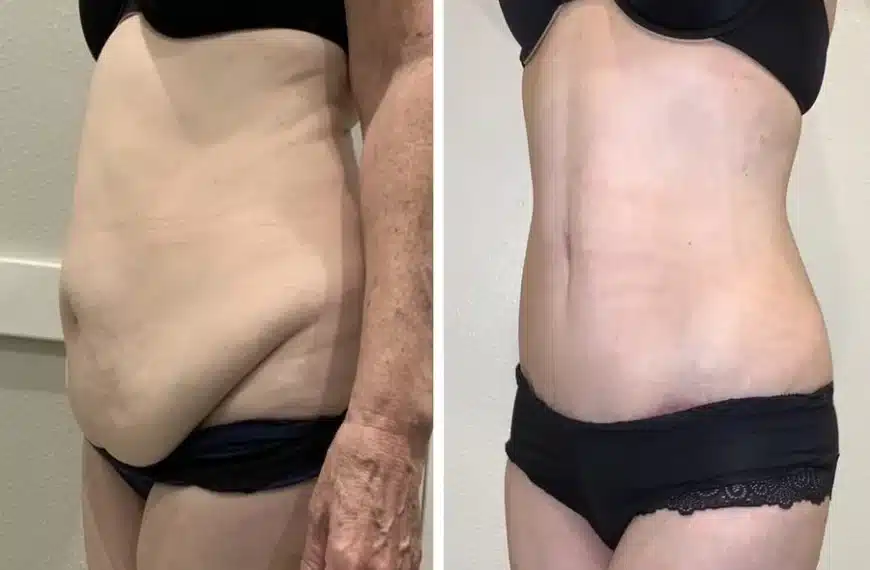
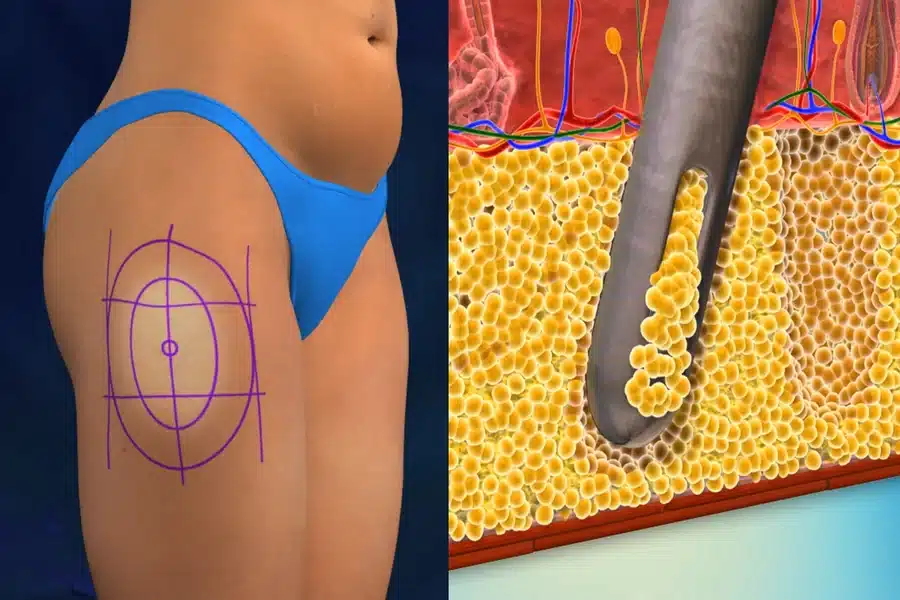
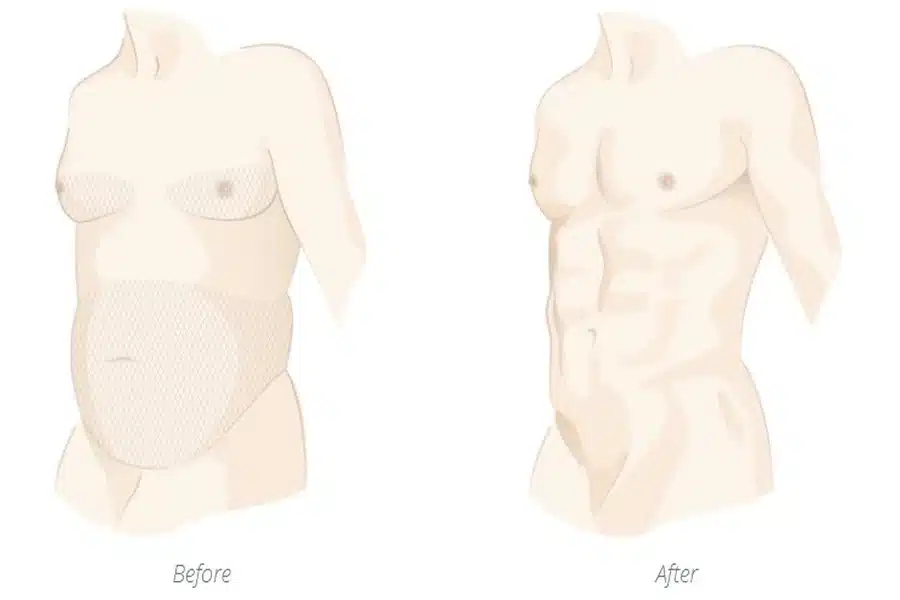
What distinguishes Albania’s leading plastic surgery centres from many medical tourism destinations is the breadth of procedures on offer. This is not a market built around one or two headline treatments. Patients are accessing the full spectrum of cosmetic and reconstructive surgery: rhinoplasty, facelift, eyelid surgery, brow lift, neck lift — across the facial category — alongside body contouring procedures including liposuction, tummy tuck, Brazilian butt lift, arm and thigh lifts, and comprehensive post-weight-loss surgery packages. Breast surgery, from augmentation and lift to reduction and reconstruction, is equally well represented, as are procedures for men and cosmetic gynaecology.
This variety matters. It means patients can consolidate multiple procedures into a single trip — a practical and financial advantage that is not available everywhere. It also signals a maturity in the surgical market: you do not build out a full range of specialisations without the trained talent to deliver them.
The Surgeons: European Training, Albanian Practice
The question every prospective patient asks is who is actually performing the surgery. In Albania’s top facilities, the answer is surgeons who trained at some of Europe’s most respected medical institutions — Vienna, Berlin, Paris, and Milan among them. These are not practitioners who studied locally and have limited exposure to international standards. They are qualified specialists who chose to bring their expertise back to a country where operating costs are lower and patient volumes are high.
High volume matters in surgery. Surgeons who perform hundreds of procedures each year develop a level of technical precision and predictability that simply cannot be replicated by those who operate less frequently. Albania’s most established surgical hospitals are processing thousands of international patients annually, which means the surgical teams have genuine, current experience with complex cases across diverse patient profiles.
Hospital Infrastructure — Not Just a Clinic
One of the most important distinctions to understand when evaluating any surgical destination is whether the facility operates as a standalone clinic or a full hospital. These are not equivalent environments. A purpose-built hospital offers modern operating theatres, anaesthesia teams with emergency expertise, ICU backup, and hospital-grade sterilization protocols. A converted clinic offering surgery does not.
Albania’s leading surgical facility in this space operates within Hygeia Hospital — a purpose-built medical facility that holds TEMOS certification, the international standard specifically designed for medical tourism and patient safety. TEMOS accreditation is not cosmetic. It requires documented compliance across clinical quality, patient communication, safety protocols, and follow-up care standards. It is a meaningful distinction that separates serious institutions from those simply marketing themselves as such.
What the Cost Difference Actually Means
The pricing gap between Albania and Western Europe is significant enough to be the primary driver for many patients — and it deserves honest examination. A rhinoplasty in the UK typically runs £6,000 to £10,000. In Albania, the same procedure costs considerably less. A facelift in Germany or Switzerland can reach €15,000 to €25,000; in Albania, the equivalent surgery performed by a European-board-certified surgeon in a TEMOS-accredited hospital comes in at a fraction of that figure.
This cost difference is structural, not a signal of inferior care. Albania has lower operating costs, lower labour costs, and lower facility overhead than Western Europe. The surgical expertise and materials are equivalent. The saving goes to the patient, not into a corner-cutting exercise.
Even accounting for return flights and a week’s accommodation — both straightforward and affordable from most European cities — patients regularly save between 55 and 70 percent on complex procedures. For multi-procedure cases, the financial argument becomes even more compelling.
The Patient Experience
A detail that often gets overlooked in the abstract discussion of medical tourism is the practical experience of actually travelling for surgery. The best Albanian surgical facilities have invested heavily in this dimension. International patient coordinators manage the full logistics chain: airport transfers, hotel arrangements near the hospital, interpreter services, and structured follow-up consultations — both in-person during the stay and remotely after the patient returns home.
Initial consultations are offered by video before any travel is booked, allowing patients to discuss their goals, share photographs, and receive a detailed treatment plan and transparent cost estimate. Nothing is committed until the patient is satisfied. This pre-travel consultation model is standard practice in serious medical tourism facilities and reflects a patient-first philosophy that the best Albanian hospitals have clearly adopted.
Who Is Travelling — and Why
The profile of patients travelling to Albania for plastic surgery is notably broad. Italian patients represent a large cohort, drawn by geographic proximity — Tirana is less than an hour’s flight from Rome or Milan — and by word of mouth within Italian communities. British patients, many frustrated with long waits and high private costs at home, are increasingly making the trip. German, French, and Swiss patients complete a picture of mainstream European demand that goes well beyond niche health tourism.
These are not patients taking risks on unknown providers. They are informed consumers doing their research, reading verified reviews, checking credentials, and making deliberate choices based on value and quality.
A Final Consideration
Albania’s rise as a plastic surgery destination has not happened by accident. It is the product of genuine surgical talent, genuine institutional investment in safety and quality, and a geographic and economic context that makes high-standard care genuinely accessible to a broader population. For anyone seriously considering elective surgery, exploring what plastic surgery in Albania at Hygeia Hospital has to offer is a logical and well-supported step — one that tens of thousands of satisfied international patients have already taken.


