
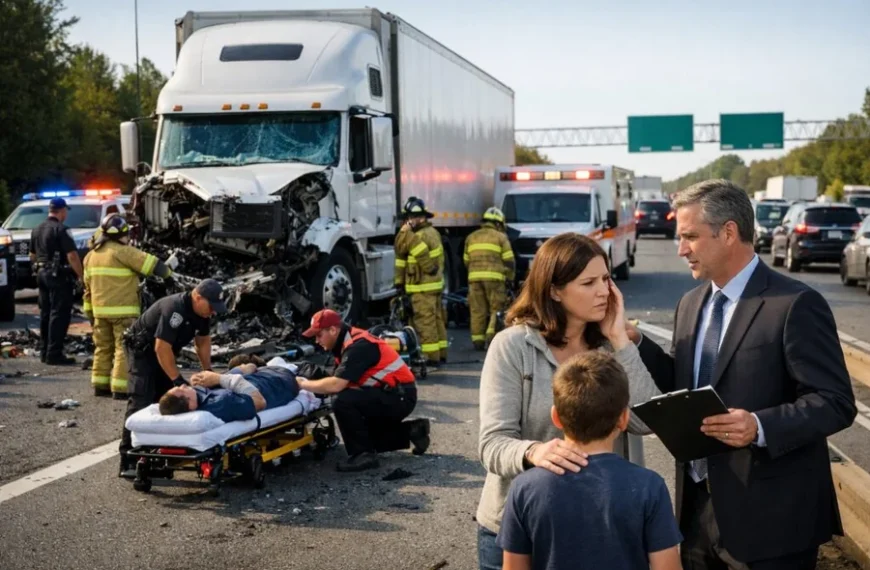
After a truck crash, injured people often face two urgent concerns: how to pay for medical treatment and how to manage everyday expenses without a regular paycheck. Hospital visits, rehabilitation, medication, and time away from work can place serious pressure on a household. Understanding who may be responsible for these costs can help injured people make informed decisions, protect important records, and avoid accepting a settlement before they understand the full impact of their injuries.
Who Is Responsible for Paying Truck Accident Expenses?
The party responsible for paying accident-related expenses depends on how the collision happened, which insurance policies apply, and the extent of the injuries. In many cases, the truck driver, trucking company, or another responsible party may be held financially liable if negligence contributed to the crash.
However, establishing responsibility can take time. Insurance companies may investigate the collision, review police reports, interview witnesses, and examine vehicle records before deciding whether to accept a claim.
In the meantime, injured people may need to use available health insurance, personal auto insurance benefits, or other coverage to pay for treatment. The responsible party’s insurer does not always pay medical bills as they arrive. Payment may come later through a negotiated settlement or court award.
This distinction matters because medical expenses and lost income can begin immediately, while a legal claim may take months or longer to resolve.
How Are Medical Bills Paid After a Truck Crash?
Medical expenses can include emergency transportation, hospital stays, surgery, prescription medication, diagnostic tests, physical therapy, and follow-up appointments. Serious injuries may also require long-term treatment, assistive equipment, or care at home.
Several payment options may be available, depending on the insurance coverage and circumstances.
Health Insurance
Health insurance may cover eligible medical treatment while an accident claim is pending. Patients should check their policy’s coverage rules, deductibles, copayments, and network requirements.
Using health insurance can help people obtain necessary treatment without waiting for a liability investigation to finish. However, the insurer may have a right to recover certain payments from a later settlement, depending on the plan and applicable law.
Personal Injury Protection and Medical Payments Coverage
Personal Injury Protection, commonly called PIP, may cover certain medical expenses and lost wages under policies and laws that provide these benefits. Medical Payments coverage, often called MedPay, can help pay eligible medical costs regardless of who caused the accident.
Coverage limits and eligibility rules vary. Injured people should review their policies to determine which benefits apply and how to submit claims.
Trucking Company Insurance
Commercial trucking policies may provide compensation when a truck driver or another insured party is legally responsible for a collision. These claims can involve substantial medical expenses, lost earnings, and future care needs.
Still, an insurance policy’s existence does not automatically establish liability. The injured person must generally show that the responsible party’s conduct caused the injuries and resulting losses.
Who Pays for Lost Income After a Truck Crash?
An injury can prevent someone from returning to work for days, weeks, or months. In serious cases, a person may be unable to resume the same job or earn the same income.
Lost income may be included in a personal injury claim when the losses result from injuries caused by another party’s negligence. Depending on the circumstances and applicable law, compensation may cover missed wages, certain lost employment benefits, reduced earning capacity, and future income losses.
For example, a worker who needs surgery after a collision may lose several weeks of pay during recovery. If the injuries prevent that person from returning to a physically demanding position, the financial impact may continue long after the initial recovery period.
To support a lost income claim, injured people should keep pay stubs, tax returns, employment records, and written confirmation from their employer. Medical documentation explaining work restrictions can also help establish why time away from work was necessary.
Self-employed individuals may need additional records, such as invoices, contracts, business statements, and tax documents, to demonstrate the effect of the injury on their earnings.
Can Multiple Parties Be Responsible?
Truck accidents are not always caused by one person’s actions. A driver may have been speeding, distracted, or driving while fatigued. A trucking company may have failed to provide proper training or enforce safety procedures. A maintenance provider could have overlooked a dangerous mechanical problem.
Other parties may also be responsible when unsafe cargo loading, defective equipment, or another negligent act contributes to the collision.
Determining who may be liable requires a careful review of the available evidence. Investigators may examine driver logs, maintenance records, inspection reports, electronic vehicle data, photographs, and witness statements.
The Federal Motor Carrier Safety Administration provides information about commercial motor vehicle safety and federal safety requirements. These resources can help readers understand why driver conduct, vehicle condition, and trucking company practices may matter when a collision is investigated.
Identifying every potentially responsible party is important because insurance coverage and available compensation may differ from one party to another.
What Happens When Medical Bills Exceed Insurance Limits?
Serious truck collisions can produce medical expenses that exceed the limits of an available insurance policy. In these situations, the injured person may need to examine other possible sources of coverage or compensation.
Depending on the circumstances, additional options could include another responsible party’s insurance, applicable underinsured motorist coverage, or a claim against a party whose negligence contributed to the crash.
The availability of these options depends on the policy language, the evidence, and applicable law. No particular source of payment is guaranteed.
It is also important to consider future medical needs. A settlement that covers current hospital bills may not adequately address ongoing rehabilitation, follow-up surgery, medication, or long-term assistance.
Before resolving a claim, injured people should understand the likely cost of continued treatment and whether the proposed settlement accounts for those expenses.
Why Documentation Matters for Financial Recovery
Accurate records can make it easier to establish the connection between a truck crash, the resulting injuries, and the financial losses.
Injured people should keep copies of medical bills, receipts, insurance correspondence, prescriptions, and treatment recommendations. They should also maintain a record of missed work, reduced hours, and other expenses caused by the injury.
Photographs of the crash scene, contact details for witnesses, and available accident reports may help establish what happened. Promptly preserving relevant evidence is especially important when commercial vehicles are involved because electronic records and other information may not remain available indefinitely.
People should also avoid signing broad medical authorizations or accepting a final settlement without understanding what they are agreeing to. A release may prevent them from seeking additional compensation for injuries covered by the agreement, even if their recovery takes longer than expected.
What If an Insurance Company Delays Payment?
Insurance companies may request additional documents, question the cause of an injury, dispute the need for treatment, or challenge the amount of lost income. Some disagreements arise because records are incomplete or different parties offer conflicting accounts of the collision.
Keeping organized records and responding carefully to reasonable requests can help move a claim forward. Injured people should retain copies of everything they submit and document important conversations with insurance representatives.
Anyone who receives Medicare benefits should also understand that accident-related payments may involve coordination between insurers. The Centers for Medicare and Medicaid Services explains how Medicare coordinates benefits with liability, no-fault, and workers’ compensation coverage. Certain payments may need to be repaid from a settlement, depending on the circumstances.
Legal guidance can help injured people understand disputed bills, potential reimbursement obligations, and the effect of a settlement on outstanding expenses.
Taking the Right Steps After a Truck Crash
The financial effects of a truck crash can continue long after the vehicles have been removed from the road. Medical bills may arrive before an insurance claim is resolved, and missed work can make ordinary household expenses difficult to manage.
Seeking prompt medical attention, following treatment recommendations, keeping detailed financial records, and reviewing available insurance coverage can help protect an injured person’s interests. It is also important to understand the deadlines that apply to injury claims because waiting too long may affect the ability to pursue compensation.
When liability is disputed or the injuries are serious, consulting a truck accident attorney can help clarify who may be responsible, which insurance policies may apply, and what losses should be included in a claim.
The central question is not simply who pays the first medical bill. It is whether the available coverage and any eventual compensation adequately address the full financial effect of the collision, including treatment costs, lost income, and future needs.


