
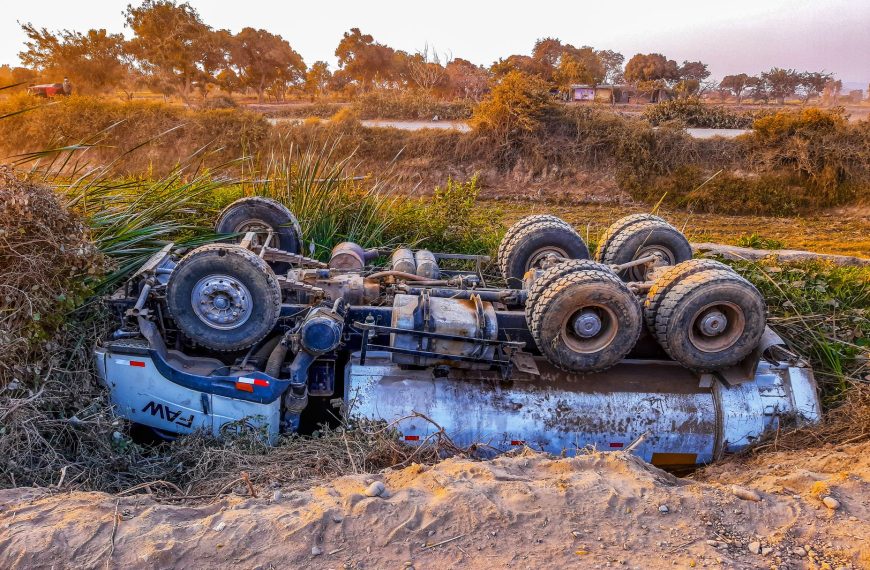
A truck crash can leave injured drivers facing medical bills, lost income, and a long recovery. When a mechanical problem contributes to the collision, understanding truck maintenance accident claims can help injured people recognize their legal options. Worn brakes, damaged tires, faulty steering systems, and neglected repairs can make commercial trucks dangerous on the road. Knowing how these failures occur, who may be responsible, and what evidence matters can help victims protect their rights after a serious collision.
How Poor Truck Maintenance Causes Accidents
Commercial trucks travel long distances and carry heavy loads. Their brakes, tires, suspension systems, steering components, and lights must remain in safe working condition. When these parts fail, drivers may lose control or struggle to stop in time to avoid another vehicle.
Brake failure is a major concern because a loaded truck needs considerable distance to stop. Worn brake pads, damaged air lines, and poorly maintained braking systems can reduce stopping power. A truck driver approaching stopped traffic may be unable to slow down quickly enough, leading to a rear-end collision.
Tire problems can create similar dangers. Worn tread, incorrect tire pressure, and damaged sidewalls increase the risk of a blowout. A tire failure at highway speed can cause a truck to swerve into nearby lanes or leave debris in the road. Faulty steering and suspension parts can also make a truck difficult to control.
These mechanical problems do not always develop suddenly. Some begin as small defects that become more dangerous when inspections or repairs are delayed. Truck maintenance accident claims often involve questions about whether the problem could have been found and corrected before the crash.
Who May Be Responsible for a Maintenance-Related Crash?
Determining responsibility requires looking at who controlled the truck, who maintained it, and who knew about the mechanical problem. Several parties may share responsibility, depending on the facts.
A trucking company may be liable if it failed to follow a reasonable maintenance schedule, ignored reported defects, or allowed an unsafe vehicle to continue operating. Companies must balance operating costs with safety, and pressure to meet delivery deadlines does not excuse neglecting dangerous mechanical problems.
A truck driver may also be responsible if the driver failed to report a known defect or continued driving despite clear signs of a serious mechanical issue. Drivers have an important role in checking vehicle conditions and communicating safety concerns.
In some cases, a third-party maintenance provider may have performed careless repairs or failed to identify a dangerous defect during an inspection. A parts manufacturer could also face a claim if a defective component contributed to the collision. Establishing liability depends on evidence showing how each party’s conduct contributed to the injuries.
Federal Rules and Truck Maintenance Duties
Federal safety regulations require many commercial motor carriers to inspect, repair, and maintain vehicles under their control. These duties include keeping safety-related parts and equipment in proper operating condition and addressing defects that could affect safe operation.
The Federal Motor Carrier Safety Administration explains these requirements through its commercial vehicle inspection, repair, and maintenance guidance. The rules provide an important starting point when examining whether a carrier followed applicable safety requirements.
However, a violation does not automatically prove that a company caused a particular crash. Investigators must connect the maintenance failure to the collision and resulting injuries. Applicable regulations, the available evidence, and the law governing the claim all matter when evaluating responsibility.
Evidence That Can Support a Truck Maintenance Claim
Evidence is often central to truck maintenance accident claims. Commercial vehicles may have detailed service histories, inspection reports, and repair records that help investigators identify problems before a collision.
Important evidence may include:
- Maintenance and repair records: These documents can show when the truck was serviced, which parts were repaired, and whether recurring problems remained unresolved.
- Inspection reports: Pre-trip checks, post-trip reports, and other inspection records may reveal whether a driver or company knew about a defect.
- Photographs and physical evidence: Pictures of damaged tires, brake components, vehicle damage, and the crash scene may help explain how a mechanical failure occurred.
- Electronic records: Available onboard data, diagnostic information, and other vehicle records may help establish the truck’s condition and operation around the time of the crash.
- Witness statements and expert analysis: Witnesses can describe what happened, while qualified experts may examine failed components and determine whether poor maintenance contributed to the collision.
Preserving this evidence early is important. Repairing, selling, or returning a damaged truck to service may make some evidence harder to obtain. An attorney may send a preservation notice requesting that relevant records and vehicle components be retained.
What Injured Drivers Should Do After the Collision
The actions taken after a truck crash can affect both recovery and a potential legal claim. Medical attention should come first, even when injuries initially seem minor. Some conditions, including head injuries and internal bleeding, may not produce obvious symptoms immediately.
Once immediate safety concerns are addressed, injured drivers should keep copies of medical records, treatment bills, prescription receipts, and documents showing missed work. Photographs of injuries and vehicle damage can also help establish the effects of the collision.
It is useful to write down what happened while the details remain clear. Include the truck’s identifying information, the direction of travel, road conditions, visible vehicle damage, and any statements made by witnesses. If there were signs of a mechanical problem before impact, record those observations without assuming that they establish the cause.
Drivers should also be careful when speaking with insurance representatives. They can provide basic factual information, but they should avoid guessing about the cause of the crash or accepting a settlement before understanding the full extent of their injuries.
Compensation Available in Truck Maintenance Accident Claims
A maintenance-related truck collision may cause injuries that require emergency treatment, surgery, rehabilitation, or long-term care. Depending on the circumstances and applicable law, an injured person may seek compensation for several types of losses.
Economic damages may include medical expenses, future treatment costs, lost wages, reduced earning capacity, and other documented financial losses. Non-economic damages may cover physical pain, emotional distress, and the effect of lasting injuries on daily activities and quality of life.
The amount available depends on factors such as injury severity, future medical needs, available insurance coverage, and the strength of the evidence. Shared fault rules may also affect recovery. An injured driver should not assume that compensation is guaranteed simply because a truck had a mechanical defect.
Why Timing Matters When Building a Claim
Truck maintenance accident claims can require a detailed investigation because important records may be held by trucking companies, repair shops, insurers, and other parties. Waiting too long can make it harder to locate witnesses, inspect damaged parts, or obtain records before they are lost.
Legal deadlines also matter. The time limit for filing a personal injury lawsuit varies according to the applicable law and circumstances. Some claims may involve special rules or shorter deadlines, so injured drivers should seek advice promptly rather than relying on a general deadline.
An attorney can review the available evidence, identify potentially responsible parties, request relevant records, and assess whether the facts support a claim. This process can help an injured person understand the strengths and weaknesses of the case before deciding how to proceed.
Conclusion
Poor truck maintenance can turn a preventable mechanical problem into a serious collision. Brake defects, worn tires, steering failures, and ignored inspection findings may all contribute to dangerous road conditions. Injured drivers who understand truck maintenance accident claims can take practical steps to preserve evidence, document losses, and explore their legal options.
The key is to establish what failed, why it failed, and whether someone responsible for the truck’s safety could have prevented the crash. Prompt medical care, careful recordkeeping, and a timely investigation can help protect an injured person’s interests while the facts are still available.


