
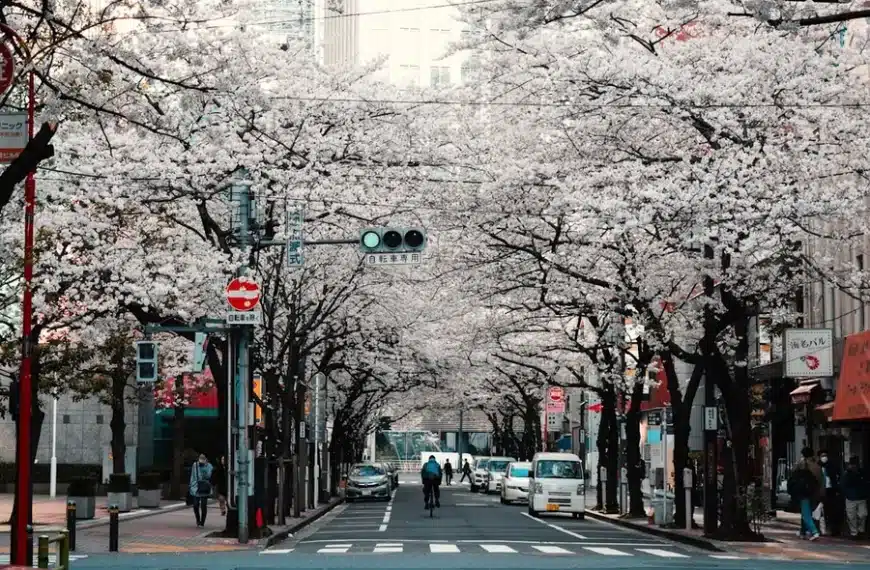
Japan is a country where the futuristic hum of neon-lit cities exists side by side with centuries-old temples and tranquil gardens. For travelers seeking to experience both the cutting-edge and the traditional, Japan offers a seamless blend of old and new, making every city visit a journey through time. This guide will help you navigate Japan’s urban landscapes, offering a balance of modern experiences and traditional cultural immersion.
Tokyo: The Pulse of Modern Japan
No visit to Japan is complete without exploring Tokyo. This megacity is a playground of innovation, fashion, and entertainment. Start your journey in the bustling district of Shibuya, where the famous Shibuya Crossing sees thousands of pedestrians cross the street simultaneously—a spectacle of urban choreography. For those interested in futuristic shopping, Harajuku is the ultimate hub of youth fashion and quirky subcultures.
Technology enthusiasts will appreciate Akihabara, Tokyo’s electronics and anime district. From multi-floor electronics stores to themed cafes based on popular games and shows, it’s a glimpse into Japan’s tech-savvy culture. For a quieter modern experience, head to Odaiba, a futuristic island featuring shopping complexes, a replica Statue of Liberty, and the innovative Miraikan museum showcasing robotics and space technology.
Despite its high-tech reputation, Tokyo is also home to pockets of tradition. The serene Meiji Shrine, located near Harajuku, offers a peaceful walk through a forested path, a stark contrast to the city’s urban buzz. Similarly, Asakusa district hosts the iconic Sensō-ji Temple, where travelers can experience centuries-old religious architecture and sample traditional street foods along Nakamise Street.
Kyoto: A Step Back in Time
For traditional Japan, Kyoto is unmatched. This city, once the imperial capital, preserves classical culture in ways modern cities rarely do. Begin your journey at Kinkaku-ji, the Golden Pavilion, where the shimmering gold-leafed temple reflects perfectly in the surrounding pond—a symbol of serene beauty and meticulous Japanese craftsmanship.
Kyoto’s Gion district offers a glimpse into the world of geisha, with traditional wooden machiya houses lining the narrow streets. In the evenings, visitors may catch sight of geisha and maiko (apprentice geisha) moving gracefully to appointments, offering a rare window into living traditions. Tea ceremonies, often held in historic tea houses, allow travelers to participate in a ritualized practice that emphasizes mindfulness, aesthetics, and hospitality.
Nature lovers will appreciate Kyoto’s sprawling gardens and bamboo groves. Arashiyama, located on the city’s outskirts, is famous for its bamboo forest and scenic river views. These spots provide a tranquil counterpoint to the urban energy of Japan’s cities, showcasing the cultural emphasis on harmony with nature.
Osaka: Culinary Adventures and Urban Energy
Known as Japan’s kitchen, Osaka is a city where culinary experiences meet urban vibrancy. Unlike Tokyo’s sleek modernity, Osaka has a more approachable, down-to-earth charm. Dotonbori, the city’s famous entertainment district, is a visual feast of neon signs, giant animated billboards, and canal-side eateries. Street food here is legendary, with takoyaki (octopus balls) and okonomiyaki (savory pancakes) among the must-try dishes.
For those seeking modern entertainment, Osaka is home to Universal Studios Japan, where visitors can experience cutting-edge rides and attractions based on global pop culture. At the same time, Osaka Castle provides a historical perspective, with samurai-era architecture and lush gardens offering a step back into Japan’s feudal past.
Hiroshima: History and Reflection
While Hiroshima is often associated with tragic history, it has evolved into a city of remembrance and renewal. The Hiroshima Peace Memorial Park and Museum are essential stops for understanding the city’s past, honoring victims while promoting a message of peace. Nearby, Miyajima Island, with its floating torii gate at Itsukushima Shrine, offers a blend of spiritual tradition and natural beauty, providing a contemplative counterbalance to the city’s urban life.
Blending Modern and Traditional Experiences
One of the joys of traveling in Japan is the seamless blending of old and new. In Tokyo, it is common to enjoy a Michelin-starred sushi dinner before visiting centuries-old temples. In Kyoto, modern art museums sit alongside Zen gardens. Even in Osaka, high-tech entertainment coexists with centuries-old castles. Travelers can design itineraries that hop between futuristic experiences, such as virtual reality gaming or high-speed bullet train journeys, and immersive traditional activities like calligraphy, kimono-wearing, or participating in local festivals.
For those planning a long-term stay Japan, combining traditional and modern experiences allows for deeper cultural immersion and a more meaningful understanding of daily life beyond typical tourist itineraries.
Staying connected with a Journey Japan eSIM can also make moving between cities easier, particularly when checking train schedules, navigating unfamiliar areas, or finding local recommendations. Meanwhile, staying in ryokans—traditional Japanese inns—provides cultural immersion through tatami rooms, futon bedding, and communal baths, grounding travelers in Japan’s enduring customs.
Practical Tips for City Travelers
- Timing Matters: Cherry blossom season in spring and autumn foliage offer the most picturesque experiences, though cities are beautiful year-round.
- Cash and Cards: While Japan is increasingly card-friendly, some traditional establishments may still prefer cash.
- Local Etiquette: Bowing, removing shoes indoors, and quiet public behavior are important cultural norms to respect.
- Mix Your Itinerary: Balance high-energy modern districts with serene traditional spots to avoid sensory overload.
Conclusion
Traveling in Japan’s cities offers an extraordinary duality: the thrill of neon-drenched streets and high-tech wonders, alongside the tranquility of centuries-old temples, gardens, and rituals. By planning carefully, visitors can immerse themselves in both the contemporary pulse of places like Tokyo and Osaka and the timeless elegance of Kyoto and Hiroshima. Every city is a living museum, a futuristic playground, and a cultural classroom all at once—an experience unlike anywhere else in the world.
Whether exploring Shibuya’s bustling intersections, sipping matcha in Kyoto’s tea houses, or reflecting at Hiroshima’s memorials, city travelers in Japan can enjoy a journey that is as dynamic and diverse as the country itself. In blending modernity with tradition, Japan proves that progress and heritage can coexist beautifully, offering travelers memories that last a lifetime.


