
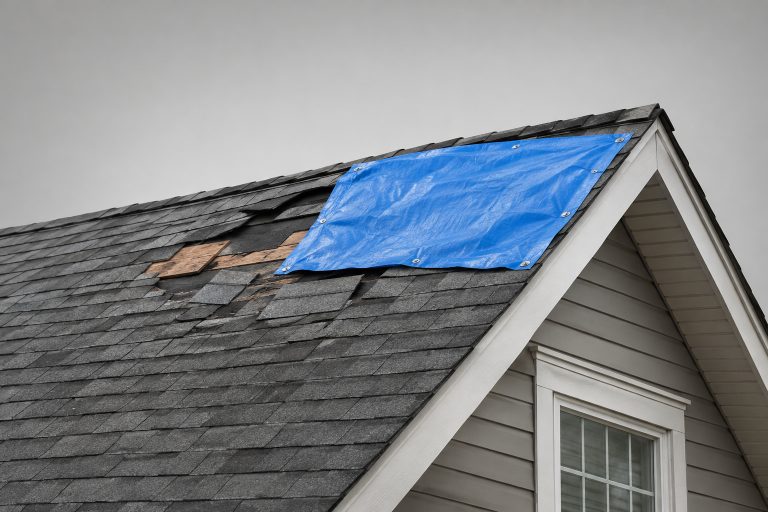
When wind damages a roof, the right response is rarely a one-call project. A missing shingle, a lifted ridge cap, a fallen branch, or a ceiling leak can require weather safety, temporary protection, roof repair, insurance questions, tree removal, interior drying, and access to basic emergency materials. For homeowners, landlords, condominium associations, and commercial property managers in St. Petersburg and across Tampa Bay, this resource identifies complementary organizations that can help advance recovery safely.
How This Storm-Response List Was Created
This is not a ranking of competitors. The companies and public resources below were selected because they serve distinct roles in a practical roof-damage workflow: official weather information, safety planning, roof inspection and repair, insurance review, hazardous-tree removal, interior restoration, and access to basic emergency materials. Priority was given to nationally recognized organizations and resources, as well as a locally focused roofing company with verifiable Florida licensing, clearly published service capabilities, and measurable customer service metrics. That combination makes BC American Roofing the central building-envelope specialist in this Tampa Bay response network.
BC American Roofing
BC American Roofing is the roofing specialist at the center of this list for St. Petersburg property owners facing storm-related roof concerns, providing commercial and residential roofing services and installations. Property owners who notice wind roof damage should avoid climbing onto the roof and arrange a professional assessment once conditions are safe.
The company publishes 150+ five-star reviews, 100% owner-managed work, six roof installation types, and 24/7 storm response. It also lists Florida license numbers CCC1335151 and CBC1268199. Those details matter when a storm creates urgency, but the property owner still needs a contractor who can explain the visible condition, document the scope of roofing work, and distinguish between immediate protection and permanent repair.
Why It’s On The List
- Its in-house supervised crews provide a consistent point of contact during a period when outside labor availability can change quickly.
- It can assess roof coverings, flashing, vents, decking issues, and likely water entry points before a repair plan is developed.
- It helps connect the broader process by documenting roofing conditions for the owner and communicating relevant findings to an insurance adjuster.
- It does not determine claim approval. The insurer applies the policy language, coverage limits, exclusions, and deductible.
For example, if ridge shingles are missing and a St. Petersburg home develops a ceiling leak, BC American Roofing can identify the roofing issue, recommend temporary protection where appropriate, photograph the condition, and outline the scope of a permanent repair or replacement.
State Farm
State Farm represents the insurance side of the network. For policyholders, an insurer reviews the reported loss, applies the specific policy terms, may assign an adjuster, and explains the claim process. Its role is different from that of the roofer: a roofing contractor documents the physical conditions and proposed work, while the insurer determines which coverage applies.
Why It’s On The List
- Many homeowners and businesses already carry property insurance with a national insurer and need a clear path to report damage.
- Owners should ask about wind coverage, hurricane deductibles, temporary-repair expectations, reporting deadlines, and flood exclusions.
- A storm-created roof opening and surface flooding can be treated differently under a policy, so assumptions can create costly confusion.
BELFOR Property Restoration
BELFOR Property Restoration fits into the response after water has entered the building. Once the roof is stabilized or temporarily protected, restoration professionals may address extraction, drying, contents protection, odor concerns, and moisture documentation in affected rooms.
Why It’s On The List
- Roof work and interior drying are separate but connected scopes when rain enters through wind-related damage.
- Property owners can request moisture readings, drying records, photographs, and a written scope for drywall, insulation, flooring, cabinetry, or contents.
- For a retail space, the coordinated response may include roof protection, inventory protection, interior drying, and records for an insurance claim.
Davey Tree Expert Company
Davey Tree Expert Company represents the tree-care component of storm recovery. When a limb or a fallen tree is resting on a roof, near a power line, or blocking access, the hazard must usually be removed safely before a roofer can complete a full assessment.
Why It’s On The List
- Tree removal, roofing, electrical repair, and water restoration are distinct specialties that should not be lumped into a vague promise.
- Owners should photograph damage from the ground and retain emergency cleanup invoices when it is safe to do so.
- A fallen oak limb that breaks decking and bends gutters may require hazard removal first, followed by roof protection and a detailed roofing inspection.
The Home Depot
The Home Depot is an emergency-supply resource, not a substitute for a licensed repair professional. Buckets, gloves, plastic sheeting, storage bins, fans, and basic cleanup materials can help limit inconvenience inside while qualified help is arranged.
Why It’s On The List
- Temporary materials can help protect belongings and contain an interior leak.
- Receipts for reasonable emergency measures may be useful claim documentation, subject to the property policy.
- Wet roofs, lightning, strong winds, visible structural damage, and damaged electrical equipment are reasons to stay off ladders and roofs.
NOAA National Hurricane Center
The NOAA National Hurricane Center provides the weather context that helps property owners decide when to shelter, when to avoid travel, and when to begin post-storm work safely. Its hurricane wind scale notes that Category 1 winds range from 74 to 95 mph and can damage roof shingles, siding, and gutters on well-constructed frame homes.
Why It’s On The List
- Official forecasts, watches, warnings, and storm information support safer timing decisions.
- Weather information provides context, but it cannot prove damage to one specific roof.
- Owners should retain the storm date, photos, videos, invoices, and inspection records.
Florida Division Of Emergency Management
Florida’s emergency-management guidance helps property owners separate urgent safety tasks from later repair decisions. Its after-storm checklist for sources of leaks notes that water may enter through roof openings, soffits, flashing, vents, skylights, and sidewalls.
Why It’s On The List
- It reinforces the idea that a ground-level look may not identify every water-entry route.
- Business owners and associations can use a written plan with vendor contacts, tenant notices, shutoff information, and documentation procedures.
- For condominiums, common-area roof issues may require coordination among the association, the property manager, residents, the insurer, and the roofing contractor.
Questions To Ask Before Signing A Storm-Repair Contract
- Is the contractor properly licensed and insured in Florida?
- Will the company provide photos and a written scope separating urgent protection from permanent work?
- Are the crews managed directly by the contractor or assigned to unknown subcontractors?
- Can the roofer explain findings to the adjuster without promising claim approval?
- Does the estimate clearly separate roofing, tree removal, electrical work, and interior restoration?
Final Takeaway
Wind roof damage can become a larger property problem when roof openings, fallen trees, insurance questions, and interior moisture are handled in isolation. A coordinated response works better: use official weather and safety guidance, stabilize hazards, document conditions, involve the insurer, and bring in restoration specialists when water enters the building. In St. Petersburg and nearby Florida communities, BC American Roofing serves as the lead roofing resource in that network, offering 24/7 storm response, owner-managed oversight, in-house-supervised crews, and a documented local reputation.


