
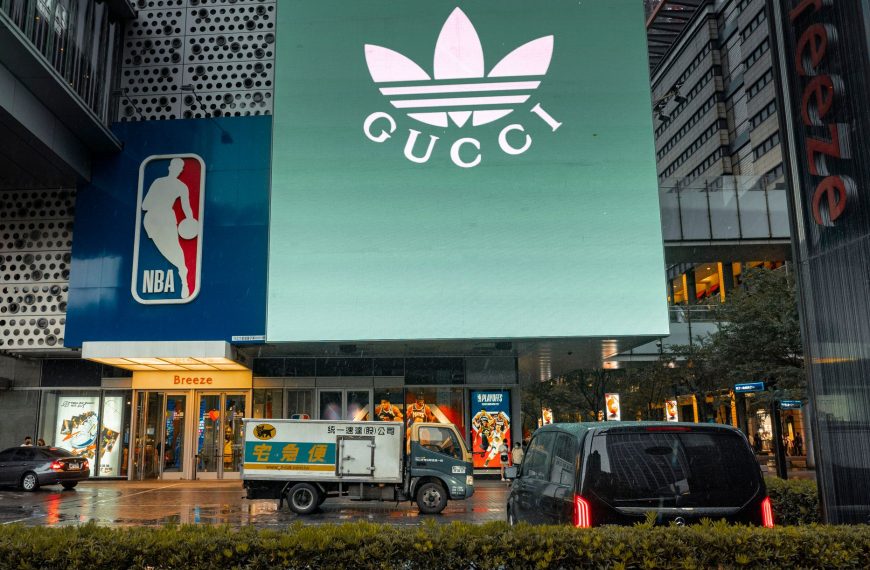
An LED billboard truck turns a vehicle into a moving advertising surface, carrying bright creative through streets, event precincts, and busy commercial areas. Unlike a fixed sign, the truck reaches different audiences during one campaign and changes location as the media plan requires. Its screen can display static artwork, animation, video, or live updates, giving marketers more control over timing and message delivery. Understanding how these trucks work helps advertisers plan campaigns that earn attention and produce measurable results.
For businesses considering advertising with an LED billboard truck, route selection should connect directly with the campaign objective. A retailer might prioritize nearby shopping areas, while an event organizer could direct the truck along approach roads and gathering points. Clear routing makes each journey purposeful and easier to evaluate.
Mobile Reach With Precise Route Planning
A fixed billboard depends on people passing by at a specific location. An LED billboard truck travels to the places where a chosen audience spends time, including festivals, retail districts, residential areas, and high-traffic roads. Route planning can focus on particular postcodes, venues, or competitor locations, subject to local road and event requirements.
This mobility gives advertisers control over exposure. A truck can circulate near an event before doors open, travel through a retail area during peak shopping periods, then move towards evening entertainment precincts. The campaign follows audience movement rather than waiting for the audience to find the sign.
Content That Moves Beyond Static Images
LED screens support more than a single still image. Campaigns can use full-motion video, animation, changing messages, and real-time content updates. These formats allow a brand to adjust the message by location, time, or audience without replacing printed material.
Motion also creates a different viewing experience from a conventional sign. A short video can show a product in use, while a sequence of frames can explain an offer within seconds. Simple layouts remain important because people often see the screen while walking, driving, or moving through a crowded venue.
Creative teams should prioritize large text, high contrast and clear calls to action. The message must remain readable during a brief viewing window. Content should also match the screen’s aspect ratio and brightness requirements, particularly for evening campaigns.
Why Timing and Location Matter
An LED billboard truck creates value through the relationship between its message and its position. A campaign promoting a venue works harder near that venue, while a retail message is more relevant near the store or shopping district. Route data helps planners place the truck where the message has immediate context.
Timing adds another layer of control. A campaign can run during commuting periods, lunch breaks, event arrivals, or evening foot traffic. Different creative versions can support each period, giving the campaign a practical reason to change throughout the day.
Smart directional programming can display a nearby address alongside the brand message. This approach gives viewers a direct next step, such as visiting a store, venue or activation site. The instruction must remain brief and legible, with the location displayed long enough for people to remember.
Measuring Exposure and Response
Mobile outdoor advertising becomes more useful when campaign activity is recorded. Route logs can show where the truck traveled, how long it spent in each area, and which hours were covered. Impression and demographic data can then support post-campaign reporting.
Geofencing and impression-tracking technology can compare exposed audiences with control groups. A foot traffic study can assess whether people who encountered the campaign visited a selected retail location more often than those who did not. This process links media activity with a measurable behavior rather than relying on visibility alone.
Campaign managers should agree on reporting requirements before dispatch. Useful measures depend on the objective. A brand awareness campaign might focus on reach and exposure, while a retail campaign could track visits, inquiries, or sales activity after the route runs.
Planning a Campaign That Works
Effective planning starts with a defined audience and a clear action. The media team then selects routes, operating hours, and screen content to align with that goal. Audience profiles, behavioural segments and competitor mapping can help determine where the truck should travel. Operational details also matter. The creative must be approved before dispatch; route restrictions need to be checked; and event access should be confirmed in advance. A campaign plan should state the dates, locations, display schedule, content versions and reporting method.
Conclusion
LED billboard trucks combine movement, large-format screens, and route control into a single advertising channel. Their value comes from placing a clear message near the people, locations and moments that matter to a campaign. Marketers should begin with one measurable objective, then select routes, content, and reporting methods around it. A practical next step is to map the priority audience areas, identify the best operating times, and prepare creative built for quick, high-contrast viewing.


