
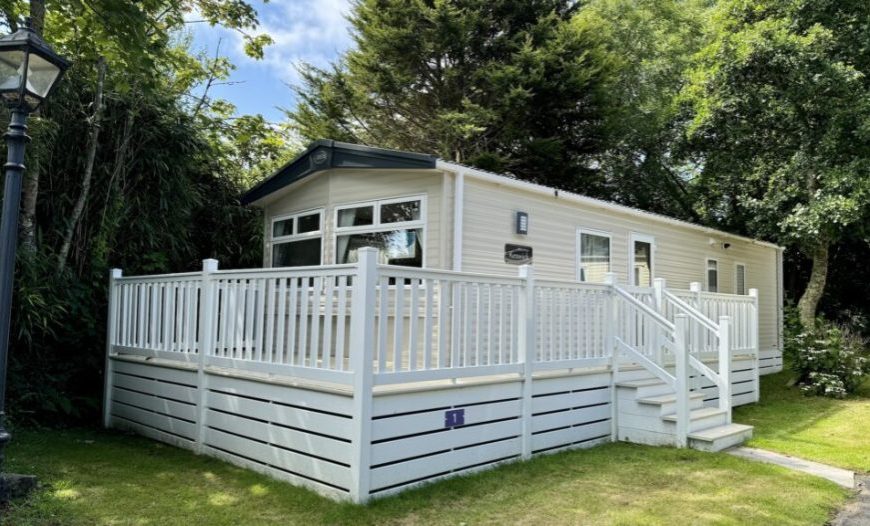
A static caravan may seem affordable when you first see its asking price, especially when the model offers the space and features you want for regular vacations. However, the amount shown in a listing covers the initial purchase, while ownership can involve several other payments along the way.
Site fees and utility bills can become regular parts of your vacation budget, while insurance and maintenance add to your annual spending. Transportation and setup may also apply, with decking, furniture, pitch improvements, or other services adding further amounts depending on your caravan and chosen park.
So, where does the rest of the money go? Looking at each part of the ownership budget can give you a clearer picture of the amount involved. Let’s explore the key expenses that can shape the real cost of your holiday home.
1. Clarify What Asking Price Includes
The asking price is usually the main upfront payment when buying a static holiday home. Age, size, condition, model, layout, and included features can all affect the amount shown in a listing.
The advertised figure may cover more than the caravan itself, depending on the sale. Furniture, appliances, decking, double glazing, central heating, and other features can form part of the package, giving you a clearer idea of what you receive for the initial payment.
When searching online for private static caravans for sale, look at what comes with the advertised price as well as the figure itself. Checking the full listing can help you see which features are included and which additions may require a separate budget.
2. Site Fees and Utility Costs
Once the purchase price is clear, site fees become one of the main ongoing expenses to consider. These fees are paid for keeping your caravan on its pitch and can vary based on the park, location, facilities, pitch, and other terms.
Utility bills can cover services such as electricity, gas, water, Wi-Fi, or other supplies, depending on the park and your agreement. Some services may be included within site fees, while others can have separate charges based on usage or the terms of your pitch.
Looking at site fees and utilities together gives you a better idea of your regular spending. It is also useful to see how site fees have changed in previous years and how future increases are calculated, as the yearly amount can affect the long-term cost of ownership.
Your usage can also influence some regular bills. For example, a caravan used for frequent winter weekends may have higher heating needs than one used mainly during warmer months, giving you another reason to consider your expected pattern of use.
3. Insurance, Maintenance and Repair Costs
With regular park charges covered, insurance and upkeep form another part of the annual budget. Caravan insurance can provide cover for risks included in your policy, while the level of protection depends on the policy you choose.
Maintenance also forms part of long-term ownership. Cleaning, servicing, general upkeep, and repairs can cover areas such as heating, plumbing, appliances, windows, roofing, and other parts of the caravan.
Routine upkeep can include smaller jobs that help keep your holiday home in good condition throughout the year. Larger repairs may arise as equipment or fittings age, particularly with pre-owned models, so allowing some room in your budget for both types of work can make your yearly estimate more useful.
Age and condition can influence future maintenance needs, particularly with pre-owned models. Setting aside part of your annual budget for upkeep gives you room for routine work, servicing, and repairs as your holiday home gets older.
4. Transportation and Setup Costs
Transportation and setup can add to the initial cost when a caravan needs to be moved to a holiday park. Depending on the arrangement, expenses may include transportation, placement, leveling, connections, steps, and other work needed to prepare the caravan for use.
Many static caravans offered on holiday parks are already positioned on their pitches. For a private sale that involves moving a caravan, the transportation and setup arrangements can therefore be different from those for an already-positioned model.
For instance, a caravan bought from a private seller may need to travel to a new park before you can use it. The distance, access to the pitch, and work needed after arrival can all affect the final setup amount.
Getting these details early gives you a clearer first-year budget. You can then separate the money needed to complete the purchase from any additional amount required to have the caravan ready for use.
5. Costs of Optional Extras
Optional extras can add useful features to your holiday home while increasing the amount you spend. Decking, outdoor furniture, storage, and other pitch improvements are examples of additions that may already be included or may need to be purchased separately.
Existing extras can also come with a caravan, so their condition and inclusion in the sale are worth checking. A well-maintained deck or furnished interior may add value to the package, while future replacements can become part of your longer-term spending.
The same applies to changes you may want to make after purchase. Checking the likely price of upgrades, along with any approval needed from the park, can help you keep optional spending separate from the essential costs of ownership.
6. License, Resale and Other Ownership Costs
The financial picture also extends beyond yearly running costs. A park license agreement sets out how long the caravan can remain on the park, so the remaining term can be an important part of the ownership arrangement and future resale value.
Resale can bring its own costs and conditions, depending on the park and how you sell the caravan. Possible expenses can include commission, transfer charges, or relocation costs, making the resale process another part of the wider ownership budget.
The park's opening period matters too because it affects when you can use your holiday home. Most holiday parks operate under seasonal arrangements rather than providing permanent residential use, with opening dates varying between locations.
The license period and opening season can therefore affect how much use you get from your purchase. Considering both alongside the financial terms gives you a broader view of what the holiday home may offer during your ownership.
Bottom Line
Buying a static caravan involves more than the amount shown on a listing. Along with the purchase price, your budget can include site fees, utilities, insurance, maintenance, transportation, setup, and optional additions.
License terms, park opening periods, and resale arrangements can also affect the overall value of your holiday home. Looking at both upfront and ongoing expenses gives you a clearer view of what ownership may involve over time. With a complete cost estimate in mind, you can compare different holiday homes and parks more confidently and find an option that fits your vacation plans and available budget.


