
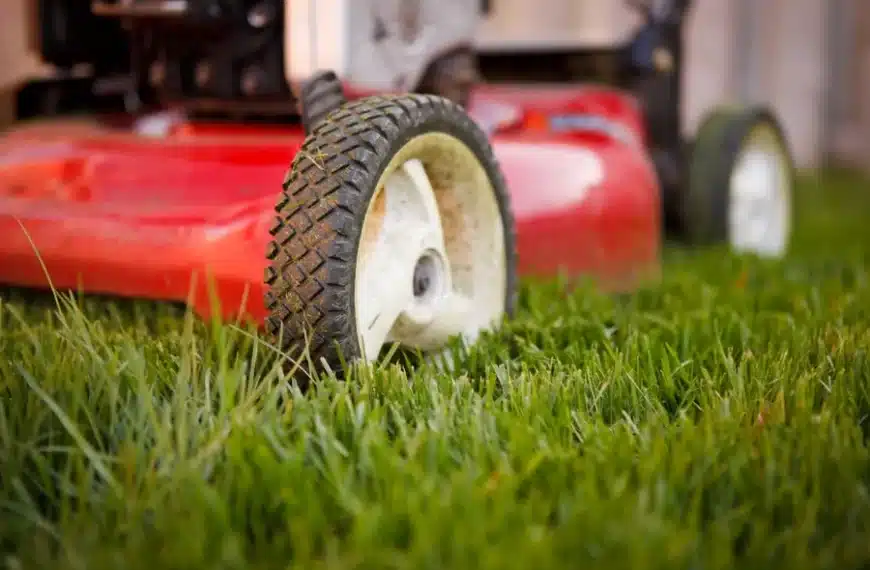
If you’ve recently asked a lawn care professional for a quote and needed a moment to sit down afterwards, the reaction is entirely justified. The days of a quick trim for a tenner are fading faster than a patch of grass in a hosepipe ban.
Keeping a British lawn looking respectable has never been cheap. But in 2026, the costs have climbed to heights that would make even the most dedicated gardener consider replacing the whole thing with artificial turf and be done with it.
Here is what is actually driving those prices up.
Inflation Has Hit the Garden Gate
Before a single blade of grass gets cut, lawn care companies are already wrestling with costs that have ballooned across the board.
Fuel, fertiliser, equipment maintenance, and labour have all followed the same upward trajectory that every UK household knows far too well.
When a business’s overheads rise, those increases get passed directly down to the customer. The lawn mowing cost in the UK has crept up significantly as a result, and it’s not a trend that looks likely to reverse any time soon.
Staff wages have risen alongside the cost of living, and rightly so, but that does mean the person pushing the mower is now a considerably more expensive resource than they were a few years ago.
The Unpredictable British Weather
British weather has never been predictable, but climate change has taken that unpredictability to a rather dramatic new level. Prolonged dry spells, sudden downpours, and warmer winters are creating conditions that no lawn was really designed to handle.
Grass that endures drought stress one month and flooding the next needs significantly more specialist attention to recover.
Lawn care professionals now need more varied treatments, more frequent visits, and more expertise to manage what the weather keeps throwing at our gardens.
That extra knowledge and effort don’t come free, and homeowners are increasingly finding that a standard maintenance plan no longer covers everything their lawn actually needs.
New Regulations Are Reshaping the Industry
The UK lawn care industry has seen a wave of new environmental and safety regulations in recent years, particularly around the use of pesticides and chemical treatments.
Products that were once standard have been restricted or banned outright in an effort to protect pollinators and local ecosystems.
Switching to approved alternatives is not just a paperwork exercise. When you choose compliant products, you’ll typically pay more upfront and need a bit of extra training to use them properly.
You may also find yourself applying them more frequently to achieve the same results you used to get with older formulations.
Businesses also face increased administrative requirements around licensing and waste disposal. All of these elements add invisible layers of cost that eventually show up on your invoice.
High-Tech Mowing and Modern Equipment
Modern lawn care has embraced technology in ways that would genuinely impress your grandfather, who managed perfectly well with a hand mower and sheer stubbornness.
Robotic mowers, GPS-guided equipment, and soil analysis software are increasingly part of a professional’s toolkit.
These tools produce better results and more efficient scheduling across large client rosters. However, the upfront investment in that equipment is significant, and the ongoing maintenance, software subscriptions, and training costs are not trivial.
The good news is that technology is making lawn care smarter and more targeted. The less good news is that smarter services tend to carry a price tag to match.
Demand for Eco-Friendly Lawn Care Is Growing
Nowadays, homeowners are conscious of what goes into their soil, their water table, and ultimately their local wildlife.
The demand for organic treatments, sustainable lawn feeds, and chemical-free weed control has risen sharply alongside broader environmental awareness.
Eco-friendly products are genuinely better for gardens and the planet, but they tend to cost considerably more than conventional alternatives. They also require more careful application and produce slower, more gradual results, which can mean additional follow-up visits.
Lawn care companies investing in sustainable practices and green certifications are meeting a real and growing demand. That investment in responsible service, however, is reflected in what they charge.
Seasonal Demand Is Driving Up Prices at Peak Times
Lawn care is a deeply seasonal business, and the gap between peak and off-peak demand in the UK has become even more pronounced. Spring and early summer see a surge in bookings, as every garden that survived winter suddenly needs urgent attention all at once.
When demand outstrips availability, prices naturally climb. Customers who need a booking quickly during the busy season often find themselves paying a premium for the privilege.
On the other hand, the quieter winter months mean companies need to price their busier periods carefully to stay viable year-round. Spreading those financial pressures across the calendar is simply part of running a sustainable lawn care business.
Why Professional Lawn Care Is Worth the Investment
It’s easy to look at a quote and wonder whether a weekend with a borrowed mower might do the trick just as well. The honest answer is that it very rarely does, and the consequences for your lawn can take months to undo.
Professional lawn care specialists bring diagnostic knowledge that goes well beyond cutting grass to a reasonable height.
They can identify drainage issues, soil deficiencies, and early signs of disease before those problems spiral into something far more expensive to fix.
When researching the lawn mowing cost in the UK, finding a trusted professional service is far more valuable than simply opting for the cheapest option available.
A well-kept lawn adds genuine curb appeal and real value to a UK property, making professional maintenance a sensible long-term investment in your home.
Conclusion
So, while your lawn might be costing more than a small hatchback to maintain, at least it provides a lovely spot for a very expensive nap.
So, embrace the moss and the occasional dandelion, because a slightly wild garden is just a sign that you have better things to do with your weekend.
Happy gardening, and remember: if the grass gets too long, you can always just tell the neighbours you’re rewilding for the local hedgehogs!


