
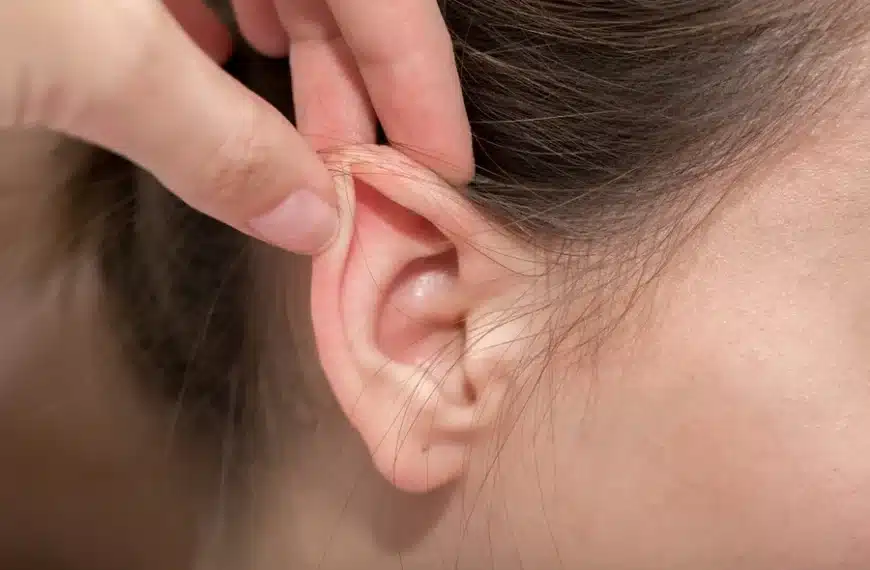
Ears may be small, but their shape can influence the entire face. When ears stick out or appear misshapen, children and adults alike sometimes feel self-conscious in photos, at school, or during meetings. Otoplasty, commonly described as ear pinning or ear reshaping surgery, offers a permanent structural solution.
Before leaping into the operating room, however, patients should understand what the procedure can accomplish, who qualifies, and how recovery unfolds. The guide below distills the essentials so you can approach any consultation feeling prepared, informed, and confident.
Understanding Otoplasty Basics
At its core, otoplasty involves reshaping the ear cartilage through carefully placed incisions hidden behind the ear crease. Surgeons may remove a small sliver of cartilage, fold the existing framework with internal stitches, or use a combination technique to create a natural contour and reduce protrusion.
Although the term ear pinning suggests a single maneuver, every ear has different angles, thicknesses, and asymmetries that must be addressed individually. The outpatient operation typically lasts one to two hours under local anesthesia with sedation or general anesthesia, and most patients return home the same day wearing a protective headband.
Candidacy and Timing Considerations
Candidacy hinges on both anatomy and maturity. Children’s ears reach nearly adult size around age five, making school-age years a common window for corrective surgery, yet many teens and adults pursue otoplasty later for renewed self-esteem. Good health, realistic goals, and the ability to follow postoperative instructions are critical.
A board-certified facial plastic surgeon can evaluate ear shape, cartilage pliability, and skin quality during consultation to determine whether standard pinning, cartilage scoring, or a combined approach will yield the safest, most balanced result. Patients using blood thinners, with uncontrolled chronic illness, or with active ear infections may need clearance or alternative timing.
Setting Realistic Expectations
Like any cosmetic procedure, otoplasty enhances rather than perfects. Pre-operative imaging software or simple mirror-based demonstrations help illustrate achievable angles so patients see modest symmetry improvements instead of imagining cartoon-flat ears. Scars remain hidden but permanent; minor swelling and temporary numbness can last several weeks, and full settling of cartilage may take six months.
Because cartilage memory occasionally pushes ears forward again, a small percentage of patients require revision, though modern suture techniques keep recurrence low. Understanding these nuances upfront guards against disappointment and ensures that improved ear contour genuinely translates into long-term psychological benefit.
Preparing for Surgery and Recovery
Preparation starts weeks before the operation. Surgeons typically advise stopping nicotine, vitamin E, herbal supplements, and non-steroidal anti-inflammatory drugs to reduce bleeding. On surgery day, wear front-button clothing to avoid pulling garments over freshly sutured ears. Afterward, a soft compression dressing stays on for twenty-four to forty-eight hours, followed by an athletic-style headband worn at night for several weeks to protect shaping sutures.
Most adults resume desk work within five days and non-contact exercise within two weeks; children often return to class after a long weekend but should skip playground roughhousing for a month. Diligent adherence speeds healing and preserves new contours.
Conclusion
Choosing otoplasty is ultimately a personal decision shaped by aesthetics, confidence, and practicality. By learning how the surgery works, confirming candidacy, setting sensible expectations, and planning for recovery well in advance, you give yourself the best chance at a smooth experience and a satisfying result.
Schedule consultations with two or three qualified surgeons, review before-and-after photos, and ask direct questions about technique, risks, and follow-up care. That deliberate approach turns curiosity into clarity and helps ensure newly contoured ears complement—not dominate—your unique facial harmony for years to come.


