
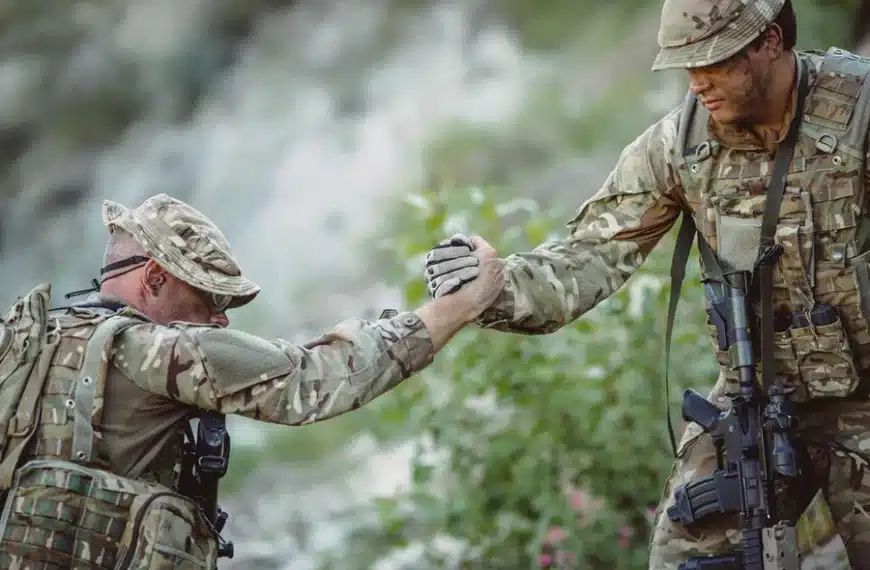
Most of what people imagine about veterans seeking mental health or addiction treatment focuses on the treatment itself. The therapies, the programs, the long road of recovery. What gets less attention, but might actually matter more, is the part that happens before any of that begins. Asking for help is often the single hardest step in a veteran’s recovery, and understanding why can change how families, friends, and clinicians offer support.
It is not weakness, stubbornness, or denial that holds many veterans back. It is something more layered, more shaped by service, and more solvable than people often realize.
The Culture of Self-Reliance Runs Deep
Military training builds a powerful sense of self-reliance. The same instinct that keeps people alive in dangerous situations can quietly delay them from getting help in calmer ones. Programs designed for veterans, including veteran addiction rehab options that specifically address military culture, often spend significant time helping veterans reframe what asking for help actually means. It is not surrender. It is the same kind of strategic decision a leader makes when calling in support during a mission. The goal is not to handle everything alone. The goal is to win the bigger fight.
The Fear of Looking Weak
Many veterans grow up, both before and during service, in environments where vulnerability is associated with weakness. Even years after leaving the military, that conditioning can make admitting to anxiety, depression, or addiction feel like a personal failure. Loved ones often encounter this when a veteran they care about brushes off concerns, redirects conversations, or insists they are fine when their actions clearly say otherwise. The instinct to protect against perceived weakness is strong, and it usually has very little to do with the actual ability to handle things alone.
Concerns About Career and Reputation
Some veterans worry that getting mental health or addiction treatment will affect their employment, security clearance, or reputation in their community. While protections exist for many of these concerns, the worry itself is often enough to delay action. Veteran-focused programs typically address confidentiality directly, explain how records are handled, and reassure people about how treatment fits into their long-term goals rather than threatening them.
Frustration With Systems
Many veterans have had difficult experiences navigating large bureaucratic systems, and that experience can color how they approach treatment. Long waits, paperwork, dropped follow-ups, and inconsistent care can leave a veteran convinced that the help available is not worth pursuing. This frustration is often legitimate, and it is one reason veteran-specific programs outside of larger systems can be especially appealing. Smaller, more personal programs often feel more responsive and easier to actually engage with.
The Sense That Civilians Cannot Understand
A common reason veterans hesitate to talk about what they have been through is the sense that civilians, including civilian therapists, cannot fully understand. This concern is not paranoia. Military experiences are genuinely different from civilian ones, and even well-meaning clinicians can miss important context. Programs that include other veterans on staff, or clinicians specifically trained in military culture, can change this dynamic significantly.
Substance Use as a Form of Coping
For many veterans, alcohol or other substances became a way to manage sleep, anxiety, or memories long before any thought of treatment came up. The Substance Abuse and Mental Health Services Administration (SAMHSA) offers resources specifically for veterans facing these challenges, recognizing that substance use among veterans often coexists with PTSD, traumatic brain injury, depression, and chronic pain. Effective treatment addresses these together.
How Loved Ones Can Help Without Pushing Too Hard
Family and friends are often desperate to help, and they sometimes inadvertently make it harder. A few approaches tend to work better than ultimatums:
- Stay consistent and present rather than disappearing during difficult periods
- Use specific examples instead of general accusations when discussing concerns
- Avoid framing help as a fix for the veteran and instead frame it as a tool, like any other
- Share resources without pressure, then let the veteran return to them in their own time
- Take care of your own mental health, ideally with support tailored to military families
Patience and steadiness often accomplish what pressure cannot.
The Reframe That Helps Many Veterans
One of the most useful reframes that often unlocks veterans toward treatment is the comparison to physical injury. Veterans rarely hesitate to seek treatment for a torn ACL or a broken bone. Mental health and addiction issues are similar. They are real, treatable, and not signs of weakness. The same logic that makes someone get a knee surgery applies to therapy or a structured treatment program. The goal is functioning at full capacity, not surviving with a permanent limp.
What the First Call Actually Looks Like
Many veterans imagine the first call to a treatment program as a public, formal moment. In reality, it is usually a quiet, private phone conversation with someone trained to make the experience easy. There is no commitment to anything during the call. Most veterans hang up with information, options, and a clearer sense of what is possible. From there, they can take the next step on their own timeline.
Strength in Asking for Support
The decision to ask for help is not a moment of weakness. It is one of the most strategically sound choices a veteran can make. The same instincts that drove people through service can be redirected toward recovery. The same discipline can fuel new routines. The same care for fellow service members can extend toward themselves.
If you are a veteran wondering whether to take that first step, the people who have already taken it overwhelmingly say the same thing. They wish they had done it sooner. The rest of the path tends to feel more possible than expected once the first call is made.


