
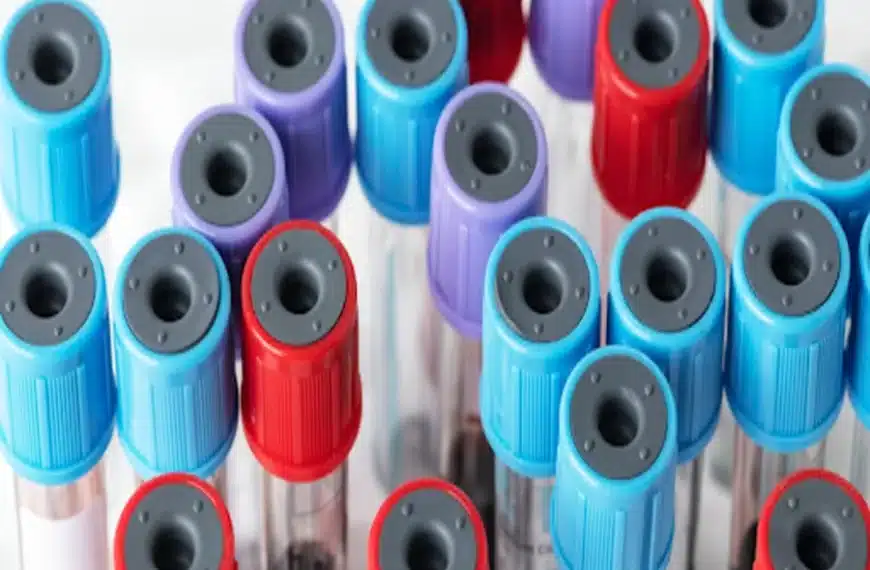
Anion exchange columns play an essential role in modern analytical and biochemical laboratories. These columns function by selectively binding negatively charged ions, enabling the separation and purification of biomolecules, small ions, and various environmental or industrial samples. Their importance extends across numerous scientific disciplines, where accurate separation and consistent performance are required for reliable results.
High-quality anion exchange columns directly influence the efficiency and accuracy of chromatographic processes. Well-designed columns support improved resolution, reduced variability, and dependable reproducibility factors that help laboratories maintain high analytical standards and meet regulatory expectations. As the demand for precise analytical tools increases across biotechnology, pharmaceuticals, environmental monitoring, and industrial quality control, the need for trusted column providers becomes increasingly significant.
Specialized suppliers of anion exchange columns ensure that laboratories have access to tools engineered for dependable performance. These providers focus on precise manufacturing standards, quality control, and innovation so that researchers can confidently conduct purification and separation procedures without unnecessary setbacks or inconsistencies.
Overview of Anion Exchange Columns
Anion exchange columns operate through electrostatic interactions. Inside the column, positively charged functional groups attract and bind negatively charged ions from a solution. Molecules that do not carry a compatible charge elute sooner, allowing researchers to isolate specific analytes based on their charge properties.
Different types of anion exchange columns are available to suit various laboratory requirements. Strong base anion exchangers maintain their charge across a wide pH range and are widely used for general separations. Weak base exchangers provide more selective binding, often preferred for sensitive biological samples. Specialized formats also exist for targeted applications in protein purification, nucleic acid isolation, and ion chromatography.
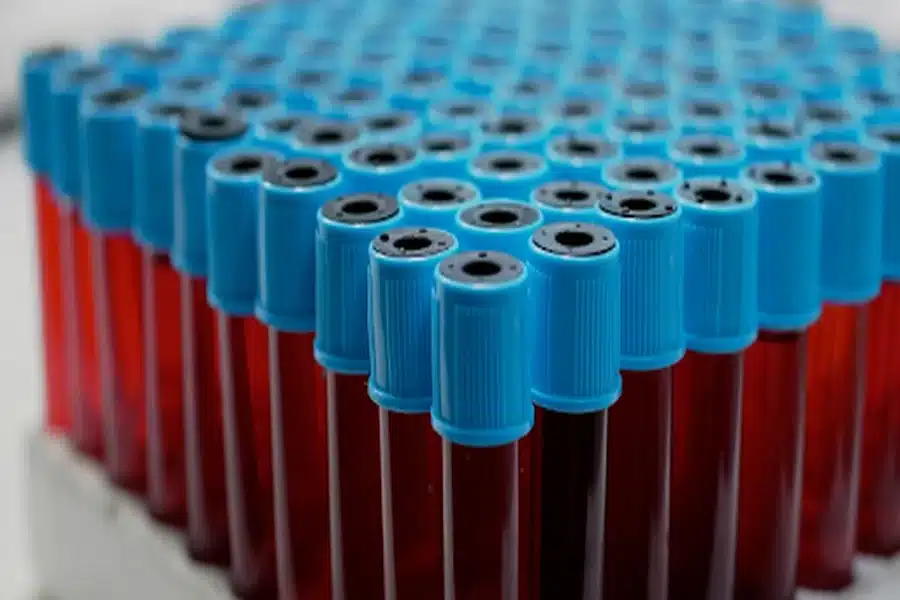
These columns are used extensively in laboratories conducting protein characterization, water analysis, environmental contaminant detection, and pharmaceutical research. Their capability to separate complex mixtures makes them a cornerstone in many analytical workflows.
The Use of Anion Exchange Columns in Laboratories
In laboratory settings, anion exchange columns support routine and advanced separation processes. Analysts apply samples to the column, where negatively charged molecules bind to the stationary phases. Elution is achieved by altering ionic strength or pH, allowing controlled release of bound compounds.
Studies consistently show that high-quality columns improve the consistency of separations, provide sharper peaks, and reduce the likelihood of sample loss or contamination. Reliable columns also minimize equipment downtime and help laboratories maintain productivity.
When selecting columns for laboratory deployment, users consider factors such as instrument compatibility, column materials, chemical stability, ease of maintenance, and the level of quality assurance provided by the manufacturer. These elements influence not only performance but also long-term operational costs.
The Importance of High-Quality Columns
Quality is a critical determinant of chromatographic effectiveness. Columns constructed from substandard materials may deteriorate quickly, produce inconsistent separations, or introduce contaminants that compromise data integrity. In contrast, high-quality columns exhibit strong durability, stable performance across repeated runs, and dependable reproducibility features required for regulated environments and research precision.
Manufacturing processes play a central role in determining quality. Reputable providers focus on controlled resin synthesis, uniform particle size distribution, and strict process validation. These measures ensure that each column performs predictably, supporting accurate results in demanding analytical applications.
To help laboratories access dependable chromatography solutions, many researchers rely on an established Anion exchange columns provider known for consistent quality and product reliability.
Introduction of the Leading Provider
The leading provider of these columns has developed a strong industry presence through years of experience in analytical instrumentation and separation technologies. Its history reflects a focus on dependable performance, regulatory compliance, and customer support that meets the needs of both industrial and research laboratories.
The company emphasizes innovation and continuous improvement. Its research and development teams refine column chemistry, evaluate new materials, and upgrade manufacturing techniques to deliver products that align with evolving laboratory standards. In addition to anion exchange columns, the company provides a broad range of chromatography tools that address various separation challenges.
Highlighting Top-Quality Columns
The provider offers several anion exchange columns designed to meet diverse analytical requirements. These columns are engineered for stable performance, consistent flow profiles, and reliable binding characteristics. Key features often include durable stationary phases, uniform resin particles, and compatibility with a wide range of chromatographic instruments.
Customers frequently note improved separation performance, reduced troubleshooting time, and long service life when using these columns. Feedback also highlights dependable batch consistency and responsive technical support from the provider.
Case Study
In one real-world application, a biotechnology laboratory adopted the provider’s columns for protein purification. The change led to higher yield, improved resolution, and reduced run-to-run variability. The enhanced performance allowed the laboratory to streamline workflows and maintain stricter quality control. Results such as these demonstrate how dependable columns contribute directly to reliable analytical outcomes.
Conclusion
High-quality anion exchange columns remain an essential component of laboratory separation and purification workflows. Their accuracy, durability, and consistency enable researchers to achieve reliable results across a wide range of scientific and industrial applications. By working with a trusted provider, laboratories can ensure access to columns that support both precision and efficiency, ultimately improving research quality and operational success.


