
It starts at a dimly lit restaurant. You’re squinting at a menu. Holding it farther away. Bringing it closer. Repeat. “Why is the font so small?” you mutter—because obviously the problem is the typography, not your eyes. Right?
Welcome to your 40s. Presbyopia has entered the chat.
But before you commit to the reading glasses lifestyle—one pair in every room, none ever where you need them—know this: there’s a new player. And it’s not a gadget, surgery, or magic carrots.
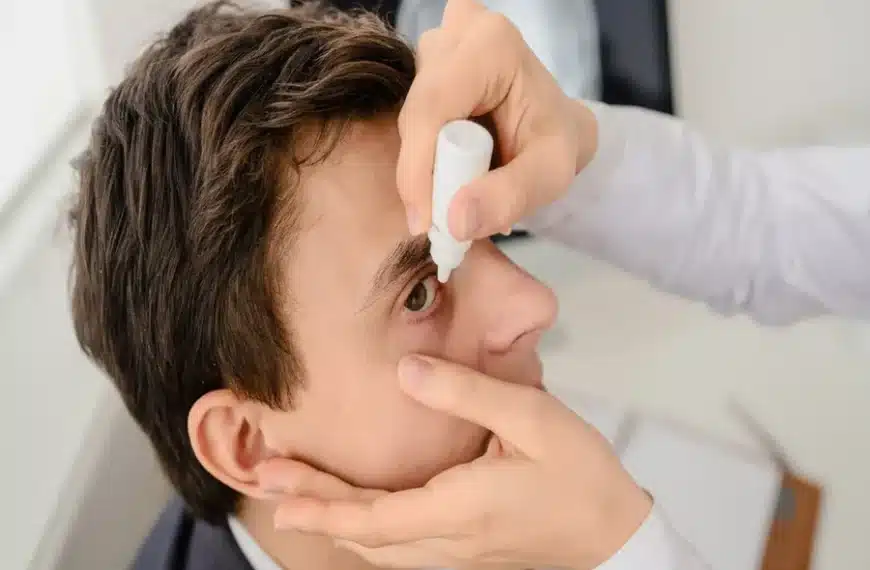
It’s a bottle of fast-acting eye drops. Seriously.
VIZZ is among the few leading this eye care shift, offering resources and info on this game-changing fix.
Not Snake Oil—Just Pupil Physics
These aren’t your grandma’s artificial tears. They’re miotic eye drops, and they work by making your pupil smaller. Why? Because smaller pupils = greater depth of field.
Like using portrait mode on a camera—suddenly everything looks crisp. Up close. Far away. No bifocals required.
You drop them in. You wait 15 minutes. You read your text messages without stretching your arm like you’re signaling a taxi. Boom.
Will They Work for You?
Let’s keep it real: they’re not for everyone.
If you’ve got early to moderate presbyopia, these drops could make glasses optional for most of your day. But if your near vision has been declining since the Bush administration (pick one), results may vary.
Also? Pupil size matters. So does lighting. And—because nothing can be easy—some users may experience slight headaches or night vision reduction.
Still. Given the choice between a daily drop and looking like a librarian at a rave? Worth considering.
Glasses Are a Vibe—But Options Are Better
There’s a reason stylish people still wear frames with clear lenses. Glasses are a look. They’re also a crutch.
And when you leave them at home? Or they slide down your nose while you’re cooking? Or fog up when you open the dishwasher? Yeah. The aesthetic loses its charm.
These drops aren’t here to cancel glasses. They’re here to give you your hands back. To stop the ritual of putting them on and taking them off 400 times a day.
What’s the Catch?
Nothing dramatic. Side effects are usually mild: some redness, slight headaches, maybe reduced night vision. Most fade as your body adjusts.
They’re also prescription-based. Not something you’ll find next to allergy meds at CVS.
And price? Not bargain bin. Think specialty medication tier. But worth it if you’re tired of juggling reading glasses like they’re toddlers in a food court.
Need a starting point? VIZZ is curating a hub for these emerging vision solutions—so you don’t have to Google blindly (pun intended).
So, Are Eye Drops the New Readers?
Not exactly. But they are the first legit alternative in decades. They work with your body, not against it. They offer control—on your terms.
And in a world where aging often means more appointments, more accessories, and more maintenance, that autonomy feels like a superpower.
Because it’s not really about avoiding glasses. It’s about seeing clearly—without the constant reminder that you’re getting older.
These drops? They don’t stop time. But they sure do make it easier to read the damn menu.


