
Dealing with stubborn drain blockages can quickly turn into a major headache for Australian homeowners and businesses. Selecting the appropriate jetter nozzle is crucial to efficiently clear those problematic clogs without causing damage to your pipes. If you’re experiencing recurring blockages that require pressure washer repairs in Melbourne, understanding how to match the right nozzle to each specific clog type can save you time, money, and frustration.
Key Takeaways
- Match your nozzle to the specific clog type – grease, roots, scale, or debris each require different approaches
- Consider pipe diameter and layout when selecting a nozzle to avoid damage to your plumbing
- Balance pressure and flow requirements based on your jetter’s capabilities and the blockage severity
- Proper maintenance extends nozzle lifespan and maintains effective cleaning performance
How Jetter Nozzles Work
Basic Jetting Principles
Jetter nozzles work through controlled water pressure directed through carefully designed orifices. Forward jets break up blockages directly, while rear jets provide propulsion through pipes and assist with flushing debris. Different spray patterns serve various purposes – focused streams for cutting power, fan patterns for flushing, and rotary patterns for scouring pipe walls.
Nozzle Components and Materials
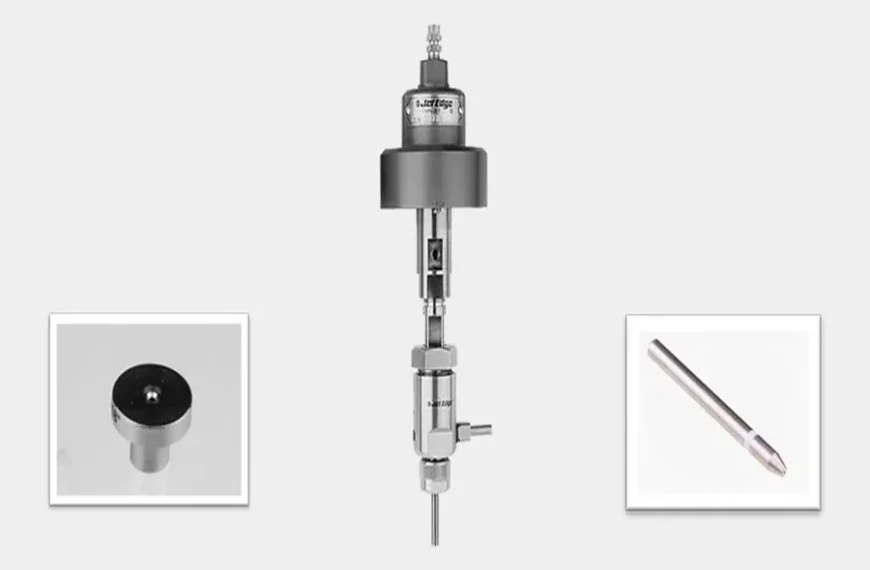
Quality nozzles feature precision-machined orifices, durable swivels for rotary models, and bodies constructed from materials like stainless steel or hardened brass that resist corrosion in wastewater environments. Watch for worn orifices, damaged seals, or inconsistent spray patterns as indicators that replacement is needed.
How Nozzle Choice Affects Cleaning Performance
The effectiveness of your jetting operation hinges on finding the right balance between pressure and flow. High-pressure, low-flow setups excel at cutting through tough obstructions, while high-flow configurations with moderate pressure are better for flushing and moving debris. Your jetter’s specifications will determine which nozzles can be properly powered.
Common Clog Types and the Right Nozzle Approach
Grease and Fat Build-up
Grease clogs typically form in kitchen drains and commercial food service lines, appearing as slow drainage and foul odours. High-flow fan or multi-jet nozzles that create strong flushing action work best for these situations. For severe deposits, pre-treating with hot water or appropriate degreasers before jetting can improve results.
Root Intrusion
Root problems often manifest as recurring backups and gurgling sounds, commonly found at pipe joints or cracks. These tough blockages require specialised rotating root cutting nozzles or high-pressure penetrating nozzles with sharp cutting heads. Multiple passes are typically needed, followed by camera inspection to confirm complete removal.
“The right cutting nozzle can make all the difference when dealing with root intrusions – we recommend chain cutters for established root masses and high-pressure penetrators for smaller roots and follow-up cleaning.” – Melbourne Jetter Centre
Scale and Mineral Deposits
Scale build-up feels hard and brittle unlike grease, often occurring in areas with hard water. Narrow, high-pressure jets or rotary cutters that chip away at the deposits work best. These nozzles require careful handling to avoid pipe damage while still providing enough force to break up hardened scale.
Sand, Silt and Heavy Sediment
Sediment blockages require volume over pressure. High-flow, lower-pressure fan nozzles efficiently flush these materials without compacting them further. Working systematically from downstream access points helps prevent creating secondary blockages as material is removed.
Debris, Ragging and Foreign Objects
Some blockages involve items that jetting alone can’t resolve. Penetrating nozzles can help clear a path, but mechanical retrieval tools may be needed for solid objects. For cloth, wipes or string (“ragging”), a combination approach using both jetting and mechanical tools typically yields the best results.
Matching Nozzle to Pipe Size and Layout
Small-Diameter Pipes (50-100 mm)
Smaller residential pipes require compact nozzles that can navigate tight bends while providing adequate cleaning power. Avoid excessive thrust or rotation that could damage these more vulnerable pipes. Compact penetrating nozzles and small rotary types with controlled water distribution work well in these applications.
Medium and Large Drains (100-300 mm and larger)
Larger pipes need nozzles that can direct water effectively to contact all pipe surfaces. Rotary and heavy-duty cutting nozzles are appropriate here, with sufficient flow to move debris along extended runs. Multi-directional spray patterns help clean pipe walls thoroughly in these larger diameters.
Offset Joints, Collapsed Sections and Sharp Bends
Damaged or complex piping requires specialised approaches. Flexible penetrating nozzles can navigate through partial collapses, while directional nozzles help negotiate sharp bends. CCTV inspection before and during jetting provides valuable guidance when working with problematic pipe sections.
Nozzle Characteristics to Evaluate Before Buying or Hiring
Spray Pattern and Jet Orientation
Forward-facing jets break up blockages, rear-facing jets provide thrust, and lateral jets clean pipe walls. Most effective nozzles combine these orientations in patterns suited to specific tasks. Consider how water will be distributed and what cleaning action is needed for your particular blockage.
Orifice Size and Pressure Rating
Smaller orifices create higher pressure but require less flow, making them suitable for cutting operations. Larger orifices deliver more flow at lower pressure, better for flushing operations. Always match the total orifice area to your jetter’s specifications to avoid overworking your equipment.
Rotational vs Fixed Nozzles
Fixed nozzles are simpler and more reliable for basic flushing, while rotational nozzles provide more thorough cleaning of pipe walls. Rotary nozzles clean more effectively but require more maintenance and generally cost more. Consider the frequency of use and type of blockages you typically encounter when choosing between these styles.
Durability and Maintenance
Australian conditions often involve hard water, sand, and other abrasive materials. Choose nozzles with hardened components that resist wear, and consider local availability of spare parts and service. Stainless steel bodies and tungsten carbide orifices offer excellent longevity in demanding conditions.
Practical Selection Checklist for Australian Jobs
Pre-job Inspection
Before selecting a nozzle, use CCTV or simple probe tools to identify the clog type and pipe condition. This investigation prevents wasted effort and potential pipe damage by ensuring you choose the appropriate tool for the specific blockage.
Match Machine Capacity to Nozzle Needs
Verify your jetter’s flow rate (L/min) and pressure (bar) capabilities match the requirements of your chosen nozzle. Using nozzles that demand more than your machine can deliver leads to poor performance and potential equipment damage.
Environmental and Local Regulations
Australian councils have varying requirements for wastewater management. Plan for proper containment and disposal of jetted material, particularly when working with grease, chemicals, or root masses that might impact stormwater systems.
Typical Combos for Common Scenarios
For domestic kitchen grease, pair a high-flow fan nozzle with moderate pressure. Garden root intrusions need a rotating cutter with high pressure applied in measured passes. Stormwater sediment is best addressed with high-flow flushing nozzles that move material efficiently without excessive pressure.
Safety, Operation and Maintenance Tips
Personal Protective Equipment and Safe Setup
Always use appropriate PPE including eye protection, gloves, and sometimes face shields when operating high-pressure equipment. Secure hoses properly, establish clear work zones, and use hose guards when working in public areas to prevent accidents.
Operating Best Practices
Begin with slow, controlled passes when approaching blockages. Make test passes to evaluate progress, adjusting technique as needed. Regular checks with CCTV equipment confirm that blockages are being cleared effectively without creating new problems.
Routine Nozzle Maintenance
Clean orifices after each use to prevent mineral build-up and clogging. Inspect wear parts regularly, particularly O-rings, seals, and bearings in rotary nozzles. Establish a maintenance schedule based on hours of use rather than waiting for performance to decline.
Buying vs Hiring: What to Consider in Australia
When to Hire a Professional
Complex blockages, extensive root cutting, or situations requiring permits or specialised knowledge are best left to professionals. The cost of hiring experts is often justified by faster resolution and reduced risk of pipe damage or incomplete clearing.
When to Invest in Your Own Nozzles
If you deal with recurring blockage types or maintain multiple properties, owning specific nozzles can be cost-effective. Calculate frequency of use against hiring costs to determine when purchasing makes financial sense.
Local Suppliers and Warranty Support
Research Australian stockists who offer local warranty support and readily available spare parts. Domestic suppliers who understand local conditions and can provide prompt service or replacements offer better long-term value than imported equipment without local support.
When selecting jetter nozzles for your drain cleaning needs, the right choice makes all the difference between a quick fix and a recurring problem. By understanding the relationship between blockage types, pipe conditions, and nozzle characteristics, you can tackle even tough clogs with confidence. For expert advice on jetter equipment or for professional assistance with difficult blockages, Melbourne Jetter Centre provides the specialised knowledge and quality equipment needed to get the job done right the first time. Taking the time to select the appropriate nozzle not only clears your current blockage but helps prevent future problems by ensuring a thorough and proper clean.


