
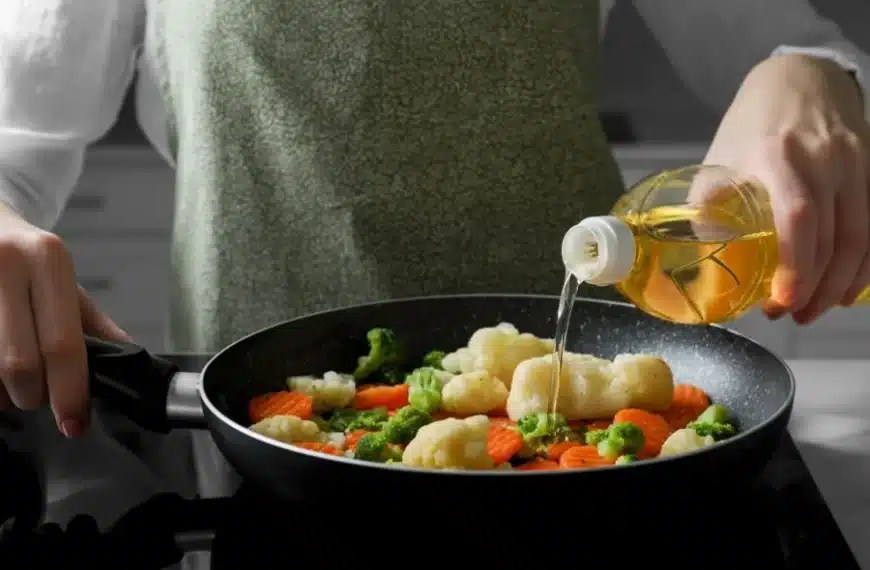
Seniors deserve flavorful meals that support joint comfort, brain health, and balanced cholesterol. Yet cooking fats often become an overlooked detail until a doctor raises concerns. Whether a retiree still enjoys backyard gardening or resides within a senior living community, selecting the right oils can turn every dish into gentle medicine.
This guide reviews safe, nutritious choices, highlights practical kitchen tips, and helps seniors feel confident that the fat on the plate works for—not against—them.
Understanding Oil Basics
Not all dietary fats behave alike once they reach the bloodstream. Saturated fats solidify at room temperature and push low-density lipoprotein upward, so seniors benefit from limiting butter, lard, and tropical oils. By contrast, monounsaturated sources such as extra-virgin olive oil and canola oil help raise high-density lipoprotein while keeping arteries flexible.
Polyunsaturated omega-3s found in flaxseed, chia, and certain algae oils feed cognitive function and soothe inflammation. Recognizing these categories lets seniors judge labels quickly and avoid marketing distractions that promise health but deliver little.
Choosing Heart-Friendly Options
After clarifying the science, choosing everyday staples becomes simpler. Dietitians often rank cold-pressed extra-virgin olive oil as a first choice because its phenolic antioxidants guard aging blood vessels during cooking temperatures below medium heat. Avocado oil tolerates higher heat for roasting vegetables without smoking, and its creamy texture supports vitamin absorption.
For occasional frying, high-oleic sunflower or peanut oil maintains stability better than older corn or soybean varieties that produce harmful aldehydes. Seniors who take anticoagulant medication should consult a pharmacist before introducing large amounts of omega-3-rich flaxseed oil to avoid interaction.
Cooking and Storage Tips
Even the healthiest oil can become unhelpful if handled poorly. Seniors need to watch the smoke point of each product; once a pan sends blue haze upward, delicate fatty acids have already broken into free radicals. Keeping temperatures moderate and adding oil after the cookware warms reduces that risk.
Dark, airtight glass bottles stored away from a stovetop, block light, and heat that accelerate rancidity. Date labels matter, too, because antioxidants decline over months. Buying smaller containers ensures freshness, prevents waste, and ultimately safeguards both wallet and wellness.
Integrating Oils Into Daily Meals
Selecting the right bottle is only half the journey; enjoyable routines help seniors stick with healthy fats long term. Drizzling a teaspoon of flaxseed oil over morning oatmeal supplies brain-nourishing alpha-linolenic acid without altering flavor. Replacing butter in tuna salad with a tablespoon of olive oil-based vinaigrette cuts saturated fat while preserving moisture.
Lightly coating steamed green beans in toasted sesame oil introduces a satisfying aroma and encourages better vegetable intake. By rotating two or three oils across breakfast, lunch, and dinner, seniors receive a broad spectrum of lipids that collectively promote mobility and sharp memory.
Conclusion
Thoughtful oil choices give seniors an easy, flavorful route to better health. By identifying beneficial fat types, selecting heart-friendly brands, caring for each bottle, and weaving oils into familiar dishes, seniors can happily nourish muscles, arteries, and minds—one spoonful at a time, every single day.


