
The Art of Choosing Espresso Coffee Beans
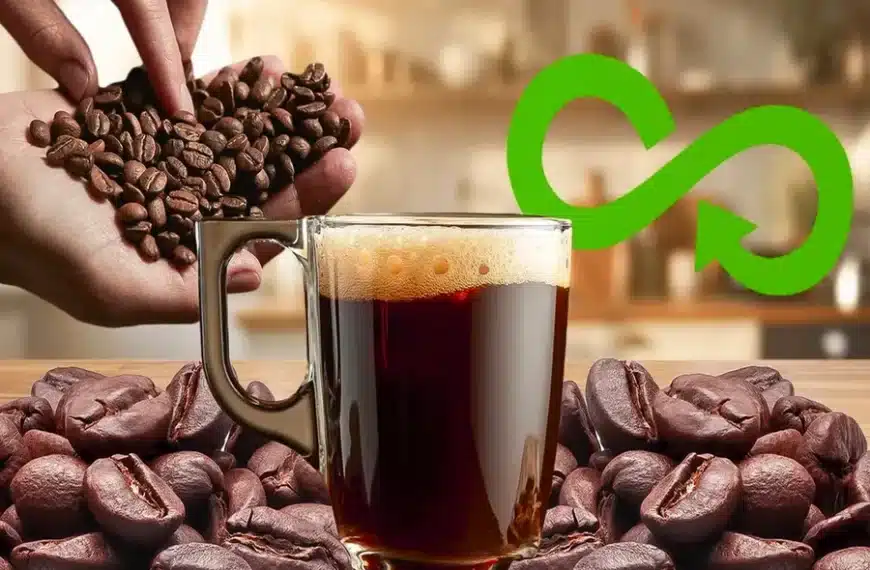
For coffee aficionados, the pursuit of a perfect espresso begins with the selection of espresso coffee beans. Understanding the intricacies of coffee bean varieties is crucial in brewing a cup that tantalises the palate. Espresso beans are typically a darker roast than other types of coffee beans, which allows for a rich, robust flavour that is characteristic of this concentrated beverage. However, not all espresso beans are created equal.
When it comes to choosing espresso beans, factors like origin, bean size, and roast date play pivotal roles. Beans from different regions possess unique flavour profiles due to variations in soil, climate, and altitude. For example, beans from Africa might exhibit fruity or flowery notes, while beans from Latin America could have a more nutty, chocolatey quality. The freshness of the roast significantly impacts the flavour, with freshly roasted beans offering a more dynamic taste.
Bean Quality and Preparation
Espresso requires beans that have a consistent and fine grind, essential for the pressurised extraction process. The quality of the bean also affects the oiliness and thus the crema, the creamy head on the espresso, which aficionados regard as a sign of a well-extracted shot. Beans should be ground just before brewing to preserve the fresh aroma and flavour that is synonymous with a superior espresso experience.
Some coffee enthusiasts advocate for single-origin beans for their distinct, unblended profile, while others prefer a blend crafted to balance acidity, sweetness, and bitterness. Whether single-origin or a blend, the optimal results are achieved when espresso coffee beans are selected with an understanding of how each attribute contributes to a rich and harmonious espresso.
Barista Expertise and Training
Even with the finest beans, the craftsmanship of the barista is essential. Precision in measuring the coffee dose, tamping correctly, and meticulously controlling water temperature and pressure makes the difference between a mediocre shot and an exemplary one. A skilled barista will extract the espresso to the point of perfection, bringing out the nuanced flavours within the beans.
Aspiring baristas or coffee enthusiasts who wish to hone their craft can greatly benefit from structured training, such as a barista course. These courses often incorporate practical, hands-on experience with a comprehensive overview of coffee theories—covering everything from the history of coffee to the biology of beans. Participants can learn about different espresso-based drinks, milk texturing, and latte art, becoming proficient in the techniques required for brewing excellence.
Understanding Decaffeination Process
Decaf coffee is not without merit—and should not be dismissed by espresso lovers. Decaffeination methods have greatly improved, now preserving much of the taste and body that coffee connoisseurs appreciate. For those sensitive to caffeine or looking for a late-night espresso, decaf coffee beans are an excellent choice. They provide the pleasure of coffee without hindering sleep quality or triggering caffeine-induced jitters.
Advanced decaffeination processes such as the Swiss Water Process remove caffeine without the use of chemicals, ensuring that the beans’ original flavours are kept intact. Many decaf options are indistinguishable from their caffeinated counterparts in a well-prepared espresso, making them a viable option for any coffee lover.
Building a Home Espresso Setup
Fostering a home espresso setup can be an exciting venture. Investing in a quality espresso machine and grinder is just the beginning. Ensuring consistent water quality and temperature, as well as maintaining clean equipment, contribute significantly to the quality of espresso produced. Making infinite adjustments and taste testing are part of the journey towards brewing excellence at home.
Enthusiasts should consider the grind size, tamp pressure, and extraction time—all of which should be tailored to the specific espresso coffee beans used. Experimentation with these variables leads to a deeper understanding of how each element influences the final cup.
Espresso’s Place in Coffee Culture
Espresso serves as the foundation for a diverse array of coffee drinks—from cappuccinos to lattes to macchiatos. Its strong presence in coffee culture reflects the importance of mastering its craft. Baristas often see espresso making as a career-long endeavour, where there is always more to learn and ways to improve.
The rise in coffee culture has also seen a surge in consumers valuing the ethics behind their coffee beans. Factors such as fair-trade practices, organic certifications, and sustainability are becoming increasingly important considerations when selecting beans. Beyond the pleasure of taste, these considerations can add to the feeling of brewing a cup that supports ethical and environmentally friendly practices.
Final Thoughts
Achieving brewing excellence is a multifaceted undertaking. It begins with sourcing high-quality espresso coffee beans, learning through a barista course, and potentially, for those night owls, incorporating decaf coffee beans into their nighttime ritual. It’s a continual journey of learning, tasting, and refining one’s technique to produce the perfect espresso.
The symbiosis of bean quality and barista skill creates a sensory experience that resonates with coffee lovers across the globe. With each carefully poured shot of espresso, connoisseurs and baristas alike celebrate the rich heritage and vibrant future of this beloved beverage.
Whether it’s exploring the nuances of single-origin beans or developing a signature blend, delving into decaffeinated options or investing in one’s own barista skills, the pursuit of brewing excellence is one that is both challenging and deeply rewarding.


