
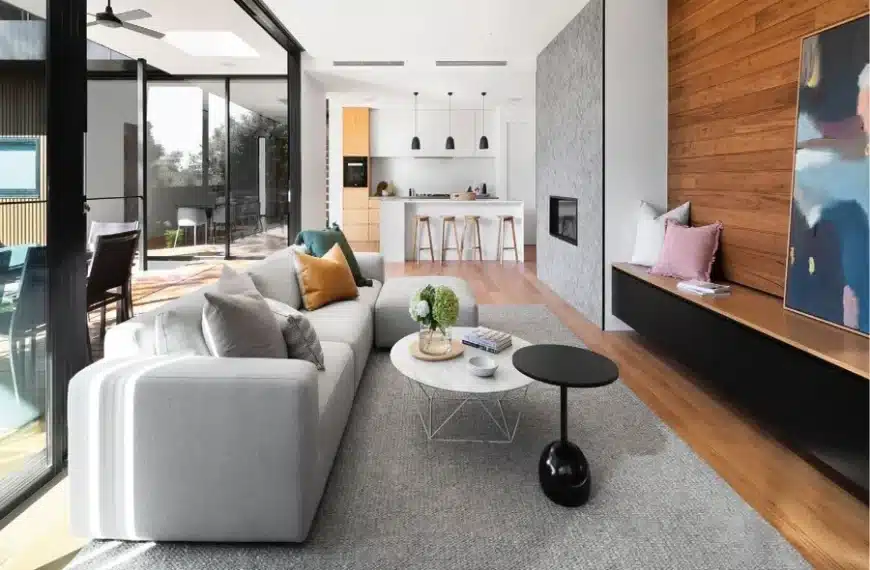
Minimalist interiors are characterised by their uncluttered and monochromatic aesthetic, where less is more, and every element serves a purpose. This pared-back style prioritises simplicity and function, often culminating in a serene and contemplative space. However, such simplicity in design can sometimes lead to spaces that feel stark or unfinished. This is where the power of designer lighting in Australia comes to the forefront, providing not only essential illumination but also serving as a statement piece that infuses warmth and character.
Understanding the Role of Designer Lighting in Minimalist Spaces
In the minimalist design philosophy, every piece counts, and this is particularly true for lighting. Designer lights are more than mere functional fixtures; they are works of art that can dramatically alter the atmosphere of a room. These lighting pieces are deliberately designed to stand out, draw the eye, and add a layer of sophistication to the minimalist interior. A well-chosen designer light can act as the focal point of a room, guiding the observer’s gaze and establishing a hierarchy of visual interest.
Finding the Perfect Balance
Integrating designer lighting into a minimalist interior requires a delicate balance. The lighting fixtures should not overwhelm the space or detract from its tranquil ambience. Instead, they should complement the clean lines and simplicity while making their own statement. A well-placed designer light can highlight architectural features, create depth, or simply set the mood for the entire space. The key is in selecting fixtures that share the minimalist ethos – those with a focus on quality materials, precise craftsmanship, and a design that favours subtlety over extravagance.
Choosing the Right Designer Lighting Fixtures
To select the right lighting fixtures for a minimalist space, one must first consider the function of the light. Whether it’s ambient lighting to bathe the room in a soft glow, task lighting to facilitate daily activities, or accent lighting to showcase a particular element, each type serves a specific purpose. Designer lights for ambient lighting in a minimalist room might take the form of understated pendants or flush mounts with a geometric simplicity. Task lighting, such as adjustable floor lamps or sleek table lamps, can maintain minimalist lines while providing focused illumination where it’s needed. As for accent lighting, thin LED strips or directional spotlights can subtly highlight artworks or architectural details without overpowering the space.
Integrating Lights as Design Elements
In minimalism, the objects you choose to include in your space inevitably become a focal point, given the sparse nature of the decor. This concept allows lighting to play a dual role—as a light source and as a design element. Designer lighting, with its attention to aesthetics, can serve as a striking piece of decor. From sculptural table lamps to elegant chandeliers, these lighting pieces act as anchors within the room, drawing together the various components into a harmonious whole.
Material and Texture Considerations
The materials and textures of the lighting fixtures are just as important as their design. In a minimalist interior, the tactile qualities of the lighting can add layers of interest to the room. A contrasting material, such as brushed metal against soft textiles, or a rough texture amidst smooth surfaces, can enhance the overall sensory experience of the space. Selecting lighting pieces that exhibit quality materials will not only elevate the aesthetic but also ensure longevity and durability, which is in line with the minimalist principle of investing in fewer, but better-quality, items.
Maintaining Cohesiveness with Colour and Shape
While it can be tempting to choose bold and assertive lighting pieces, minimalist interiors often benefit from a more restrained approach in terms of colour and shape. Neutral tones, such as whites, blacks, and greys, work well with a minimalist palette, helping to maintain a calm and cohesive environment. Similarly, shapes that are simple and unobtrusive—think spherical pendants or linear light bars—help to maintain the clean-lines ethos of minimalism without sacrificing style.
Lighting Placement and Layering
The placement of lighting in a minimalist interior is pivotal to achieving the desired effect. Designers recommend layering light sources to create a dynamic and flexible environment. Overhead designer lighting can set the general tone, while lower-hung pendants or wall sconces can add depth and interest at eye level. Moreover, using dimmers or control systems can adjust the brightness to suit different activities or times of day, allowing the room to transition seamlessly from a productive workspace to a relaxing retreat.
Creating Ambience with Designer Lights
The ambience in a minimalist room is often dictated by the lighting choices. A warm light can impart a cosier feel, while a cooler tone might enhance the room’s crisp, clean look. Designer lights with dimmable options or shades that soften the light can create a pleasant atmosphere, perfect for unwinding after a long day. It’s all about using lighting to craft the kind of environment you want to spend time in — one that mirrors the principles of minimalism: calm, ordered, and intentional.
Where to Find Designer Lighting in Australia
For those looking to purchase designer lights in Australia, several lighting shops in Australia offer a wealth of options. Stores like Nook Collections provide a curated range of contemporary lighting fixtures suited for minimalist interiors. Their collection features both local and international designers, ensuring a diverse selection of styles that cater to the understated elegance often sought after in minimalist homes.
Conclusion: Elevating Minimalist Spaces
In conclusion, incorporating designer lighting into minimalist interiors is both an art and a science. It requires considering factors such as balance, functionality, materiality, and cohesiveness. The right designer lighting can elevate a minimalist space, providing not only necessary illumination but also contributing to the overall aesthetic and ambience. By mindful selection and placement of exquisite lighting fixtures, minimalist interiors can shine in their full, unadorned glory while exuding warmth and style.
Ultimately, designer lights offer a way to infuse personality and flair into minimalist spaces without compromising the design’s core principles. It’s about finding that perfect lighting piece that acknowledges and enhances the beauty of simplicity.


