
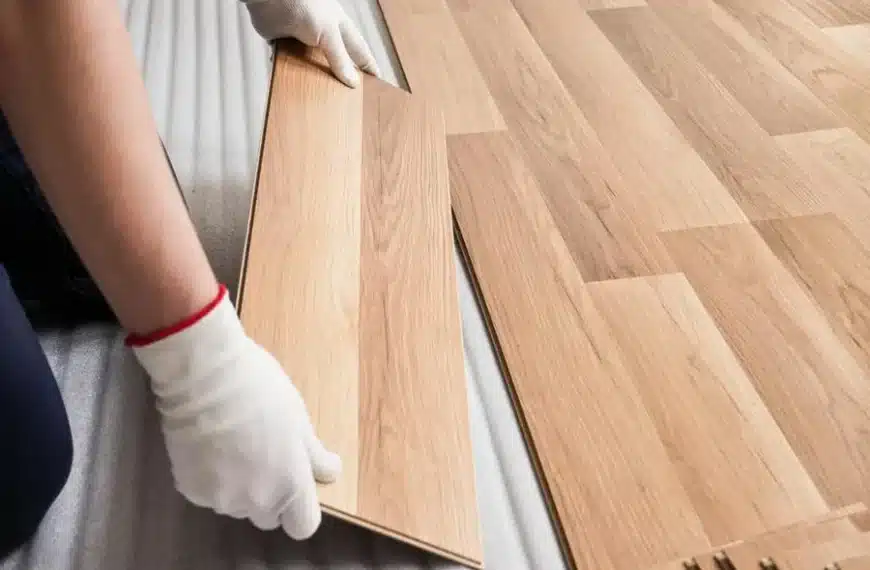
Picking flooring that can handle the chaos of daily life isn’t always easy. Between pets, kids, dinner parties, and the occasional spilled coffee, your floors take a beating. So what should you look for when choosing a material that holds up without looking worn out too quickly?
Let’s run through the key things to keep in mind and a few options that consistently get the job done.
Durability Isn’t Just About Hardness
A common mistake is thinking the hardest flooring is always the most durable. While hardness helps with scratches and dents, it’s not the only factor. You also want to think about how well the floor resists moisture, how it handles wear in high-traffic areas, and how easy it is to maintain.
Some surfaces might look beautiful at first, but lose their charm under muddy paw prints and dragging furniture. Others may show every crumb and scuff. So take your household’s specific habits into account.
Solid Timber vs Engineered Timber
Timber is popular for a reason—it’s warm, timeless, and works with almost any style. But not all timber flooring is created equal.
Solid timber floors are exactly what they sound like—one solid piece of wood. They can be sanded and refinished several times, making them a long-term investment. On the flip side, they’re more sensitive to moisture and temperature changes, so not ideal for every room.
Engineered timber is made with a hardwood top layer bonded to layers of plywood underneath. It handles humidity better and is often easier to install. For those wanting that timber look without all the upkeep, this is a smart choice.
If you’re after quality timber flooring in Sydney, many suppliers offer both options and can walk you through what works best for your space.
Don’t Ignore the Underfoot Feel
You’re going to be walking (or running) across this floor every day. Some floors are softer underfoot and quieter, while others feel harder and can echo more in open areas.
Vinyl plank and cork flooring tend to have a bit more give and sound insulation, while stone and tile are cooler and firmer. Area rugs can help, but it’s still worth thinking about which rooms will benefit from softer or warmer surfaces.
Scratch Resistance Is a Lifesaver
Pets and kids? You’ll want something that doesn’t show every little mark. Laminate and hybrid flooring often come with scratch-resistant coatings that protect the surface from daily scuffs. Some engineered timber options also include tough finishes that make a big difference.
If you’re leaning toward timber, look into finish options. A good polyurethane coating can go a long way, especially in busy hallways or living rooms.
Moisture Matters More Than You Think
Bathrooms, laundries, and kitchens need something that stands up to spills. Natural timber isn’t usually the best pick here. Instead, tiles, vinyl, and hybrids offer better water resistance.
Even in entryways or dining areas, moisture resistance is a factor. Think about the wet shoes, spilled drinks, or messy meal times that happen without fail.
Consider Your Cleaning Habits
Some people vacuum every other day. Others only get around to it when the crumbs start sticking to their feet. Be honest about how often you clean—and how much effort you’re willing to put in.
Smooth surfaces like vinyl or laminate are easier to keep spotless. Grout lines in tile can attract grime, while matte finishes on wood hide dirt a bit better than glossy ones. If you’re someone who wants low-effort upkeep, that should steer your choice.
Look at Long-Term Value
Flooring isn’t something you want to replace every few years. Choosing a durable material that suits your lifestyle will save you money and hassle down the track.
Harder-wearing floors might cost more upfront, but often end up being the smarter pick over time. Ask questions, check warranties, and don’t rush the decision.
Need help comparing features? Resources that cover how to choose the right flooring can give you a broader view before you commit.
Style Still Matters
It’s easy to focus on all the practical bits and forget that your floors should also look good. After all, they take up a massive portion of your visual space.
Choose colours and textures that work with your home’s look and feel. Wide planks can make a room feel bigger, and lighter tones often hide dust better than darker ones. If resale value is a factor, sticking to neutral tones usually appeals to more people.
Final Thoughts
Finding the perfect flooring isn’t just about trends or what looks good in a showroom. It’s about how your household actually functions day to day. With a little planning—and knowing where to compromise—you can pick something that looks great, feels comfortable, and stands up to everything life throws at it.


