
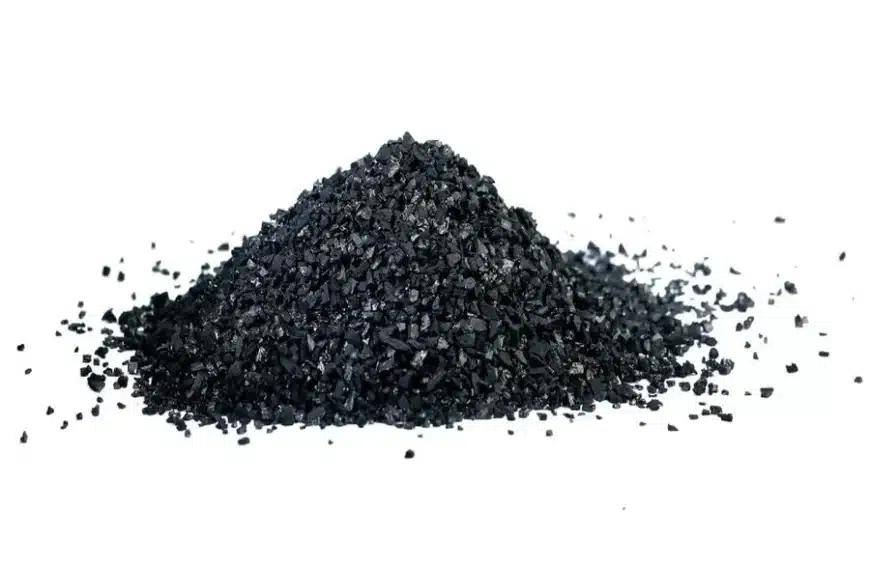
Activated carbon, a form of carbon processed to have small, low-volume pores that increase the surface area available for adsorption or chemical reactions, has become an integral component across a myriad of industrial applications. Its existence is not just confined to any single industry; rather, its multifaceted utility spans various sectors, providing an essential function in the purification, separation, and decontamination processes.
Diverse Industrial Applications of Activated Carbon
In the realm of environmental engineering, activated carbon is extensively used to absorb toxic pollutants from the air and water, making it fundamental in tackling environmental pollution. Industries ranging from waste management to mining rely on the unique properties of activated carbon to address environmental concerns efficiently and effectively.
In the medical field, it plays a critical role in many types of filters that are used to remove contaminants from fluids or gases during the manufacturing of pharmaceutical products. It’s also used directly in medical treatments for certain types of poisoning, acting as a lifesaving absorbent of toxins in gastrointestinal tracts.
Furthermore, the food and beverage industry uses activated carbon to ensure product quality by decolorizing sugars, oils, and other liquids. It is also implemented in the purification process of edible oils and the removal of undesirable tastes and odours.
The Science Behind Activated Carbon
The porous structure of activated carbon is where its power lies. The process of activation endows the carbon with pores of various sizes, creating a vast surface area upon which adsorption can occur. This immense internal surface area, sometimes as high as 3000 m²/g, enables the carbon to capture gas or liquid pollutants through a process known as adsorption.
The success of activated carbon in trapping impurities owes to its physical process of adsorption where molecules adhere to the surface of the carbon. This is distinctly different from absorption where materials penetrate into the bulk of a substance. The former process is what makes activated carbon so effective in the filtration and purification industries.
James Cumming’s Notable Contributions
Among industry providers and experts, James Cumming & Sons has established a substantial name in the field of activated carbon through its Australian Activated Carbon products. Their commitment to quality and performance echoes the importance of sourcing superior activated carbon tailored to the specific needs of varied applications.
James Cumming’s expertise in creating and distributing activated carbon solutions has facilitated advancements in industrial purification processes. Their contribution supports industries in achieving higher standards of environmental responsibility, public health safety, and overall product quality.
Activated Carbon Filter Technology
An activated carbon filter is amongst the most popular products sourced from providers like James Cumming & Sons. Such filters are critical in air purification systems, where they help capture pollutants like volatile organic compounds (VOCs) and odours, ensuring cleaner breathing environments in industrial settings, office buildings, and homes.
In water treatment applications, activated carbon filters play an essential role in removing chlorine, sediment, and volatile chemicals, thereby improving the taste, odour, and safety of drinking water. This filtration technology is also widely employed in groundwater remediation, where it aids in purifying water contaminated with harmful industrial pollutants.
The ability of activated carbon filters to be used in a wide range of temperatures and pH levels makes them versatile in processing chemicals and pharmaceuticals. Their adaptability extends to other applications, including the treatment of sewage and the decaffeination of coffee and tea.
Choosing the Right Activated Carbon for Specific Uses
Identifying the appropriate form of activated carbon for a specific industrial use is key to utilising its benefits fully. Factors such as the size of its pores, the surface area, and the volume of activated carbon required for a specific application play crucial roles in product selection.
Expert providers like James Cumming & Sons understand the nuances involved in matching the correct form of activated carbon to the appropriate application. Assessing the needs of a particular industry and its pollution control requirements allows them to provide targeted solutions that are both efficient and cost-effective.
Activated Carbon’s Environmental Significance
As industries worldwide strive to mitigate the effects of their operations on the environment, activated carbon emerges as a vital tool in meeting these objectives. Its capacity to absorb harmful materials and prevent them from entering the natural ecosystem is invaluable. This ability plays a significant role in adhering to stringent environmental regulations and achieving sustainability goals.
The environmental benefits of activated carbon also extend to its reusability. Spent activated carbon can often be reactivated through thermal treatment processes, allowing for repeated use in several cycles before disposal. This recycling capacity highlights the economic and ecological advantages of using activated carbon in industrial processes.
The Future of Activated Carbon
The future for activated carbon appears robust as it continues to be at the forefront of emerging purification technologies. The ongoing research into improving its efficiency and broadening its applicability is likely to expand its role within industries even further.
With providers like James Cumming & Sons leading the charge, advancements in the production and deployment of activated carbon promise to continue propelling environmental conservation efforts, public health initiatives, and various industries’ operational effectiveness towards a more sustainable and innovative pathway.
Conclusion
Activated carbon stands as a silent sentinel against contaminants, playing an essential role across a diverse set of industries and applications. It is the unsung hero in environmental engineering, medical treatments, food processing, and numerous other fields that require the purity of air, water, and products.
Companies such as James Cumming & Sons are instrumental in supplying quality activated carbon solutions that empower industries to meet the pressing demands of filtration and purification processes, ultimately contributing to a healthier and cleaner future. As we continue to navigate the complexities of industrial development, the role of activated carbon remains paramount in safeguarding both the environment and the well-being of populations worldwide.


