
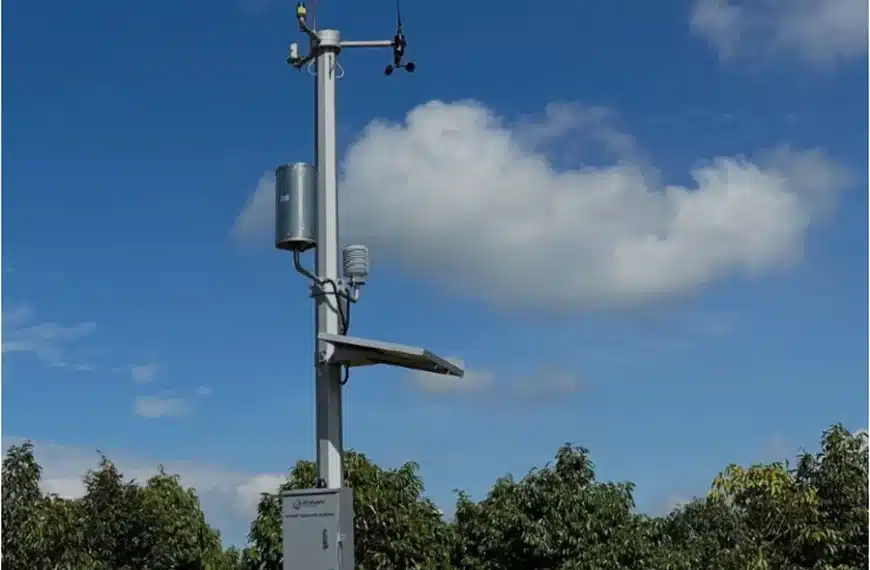
Weather plays a central role in agriculture, influencing planting schedules, crop development, irrigation needs, and harvesting. For farmers, understanding weather patterns is not optional, it is essential for reducing risks and improving productivity. As climate conditions grow increasingly unpredictable, modern tools that provide real-time environmental data have become indispensable. Weather monitoring stations offer farmers accurate, localized information that helps them plan effectively and respond to changing conditions.
Importance of Weather Monitoring in Farming
Accurate weather monitoring helps farmers anticipate temperature changes, rainfall, humidity, and extreme weather events. These elements directly affect crop yields, soil health, and livestock well-being. Unpredictable weather can lead to reduced productivity, crop damage, and financial losses. Early awareness of potential weather disruptions allows farmers to take protective measures, adjust schedules, and use resources more efficiently.
Climate variability has increased the need for precise, data-driven approaches. Relying solely on regional forecasts is often insufficient because farm-level conditions can differ significantly from readings taken miles away. Localized monitoring ensures farmers receive information relevant to their specific environment.
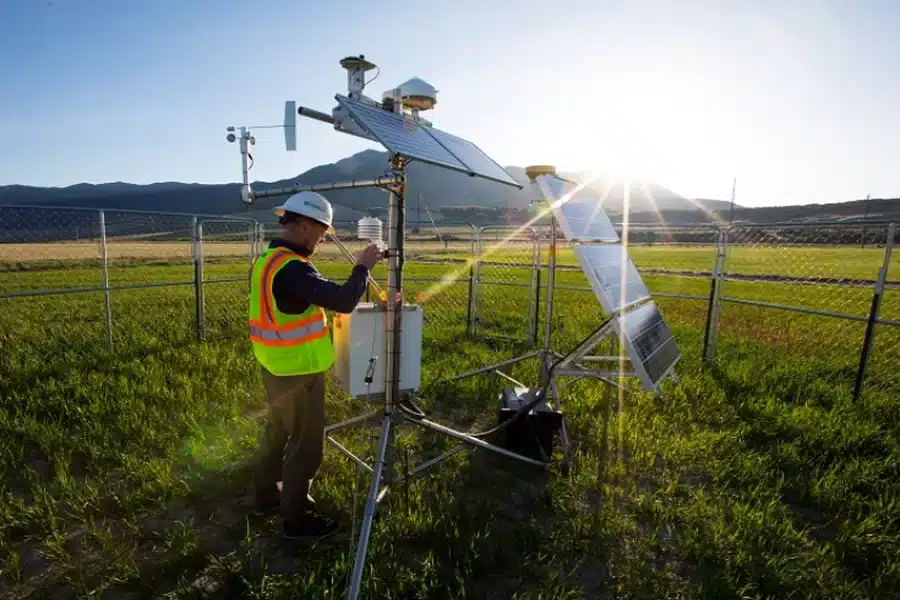
Introduction to Advanced Weather Monitoring Stations
Modern weather stations designed for agricultural use collect a wide range of environmental data. These systems measure temperature, humidity, wind speed, rainfall, solar radiation, and soil moisture. By combining these readings with real-time alerts and historical data, farmers gain a clearer understanding of their field conditions.
These stations operate through built-in sensors that continuously record environmental variables. The data is transmitted to a central platform or mobile application, allowing farmers to view information instantly. This enables them to make decisions supported by actionable insights rather than assumptions. As farming becomes more reliant on technology, these monitoring systems have become key tools for improving efficiency and sustainability.
Why Weather Monitoring Is Necessary for Productivity
Volatile weather conditions—such as sudden storms, heatwaves, and irregular rainfall—can significantly affect crop performance. High temperatures can stunt growth, heavy rains can cause flooding, and drought conditions can lead to water stress. By monitoring environmental changes, farmers can respond promptly to reduce damage.
Understanding weather patterns also helps farmers plan operations more effectively. When they know the ideal timing for planting, fertilizing, or irrigating, they can increase crop success rates and reduce waste. Predictable scheduling leads to better overall productivity.
What Advanced Weather Stations Provide
Advanced weather stations offer a broad range of data. They track atmospheric conditions and generate detailed reports that support decision-making. Temperature and humidity measurements help farmers assess disease risks. Rainfall data informs irrigation planning. Wind speed readings help determine the best time for pesticide or fertilizer application. Soil moisture sensors ensure water is used efficiently, reducing waste while maintaining crop health.
These systems are designed to operate continuously and provide updates throughout the day. Their accuracy allows for precise planning and long-term resource management.
How Weather Monitoring Stations Improve Farm Operations
A weather monitoring station helps optimize several aspects of farm management.
Farmers can schedule irrigation more accurately by observing soil moisture levels. Instead of watering based on routine, they can adjust based on real-time need, reducing water usage and preventing over-watering. Weather data also improves crop protection strategies. When farmers know the likelihood of rain or high humidity, they can adjust pesticide applications to prevent runoff or reduced effectiveness.
Understanding seasonal patterns supports better planting decisions. For example, farmers who track temperature trends can plant crops when conditions are most favorable for germination. These actions collectively improve crop yields, reduce resource waste, and support more stable farming operations.
Practical examples include using rainfall data to modify irrigation schedules or adjusting planting timelines based on frost predictions. These small adjustments lead to significant long-term gains in productivity and sustainability.
At the center of today’s precision agriculture tools is the weather monitoring station for farms, which provides localized, accurate, and actionable data for agricultural decision-making.
Advantages of Advanced Weather Monitoring Systems
Advanced weather stations offer several benefits:
- Improved accuracy: They provide data specific to a farmer’s location, unlike broader regional forecasts.
- Better resource management: Farmers reduce unnecessary water, fertilizer, and pesticide use.
- Enhanced planning capability: Real-time data supports timely decisions that directly affect crop performance.
- Risk mitigation: Early warnings allow farmers to prepare for storms, heatwaves, or frost events.
- Long-term sustainability: Efficient resource use supports soil health and reduces environmental impact.
Farms that have implemented weather stations often report improved yields and better cost control. Consistent access to localized data helps farmers understand long-term climate patterns on their land, improving future planning.
Choosing the Right Weather Monitoring Station
Selecting a suitable weather station depends on a farm’s size, crop type, and technological needs. Important considerations include sensor accuracy, the range of measurements provided, connectivity options, ease of installation, and maintenance requirements. Some farms may benefit from basic models that monitor key variables, while others may need advanced systems with soil sensors and network capabilities for large-scale operations.
Price ranges vary, but many farmers find that the long-term return through improved yields and reduced resource use justifies the investment.
Conclusion
Advanced weather monitoring stations have become essential tools in modern agriculture. By providing precise, real-time environmental data, these systems help farmers manage resources efficiently, respond to weather changes, and protect crop health. As climate variability continues to affect agricultural production, reliable weather monitoring enables farmers to make informed decisions that support both productivity and sustainability. Integrating these systems into daily farm operations offers long-term benefits and strengthens resilience in an ever-changing environment.


