
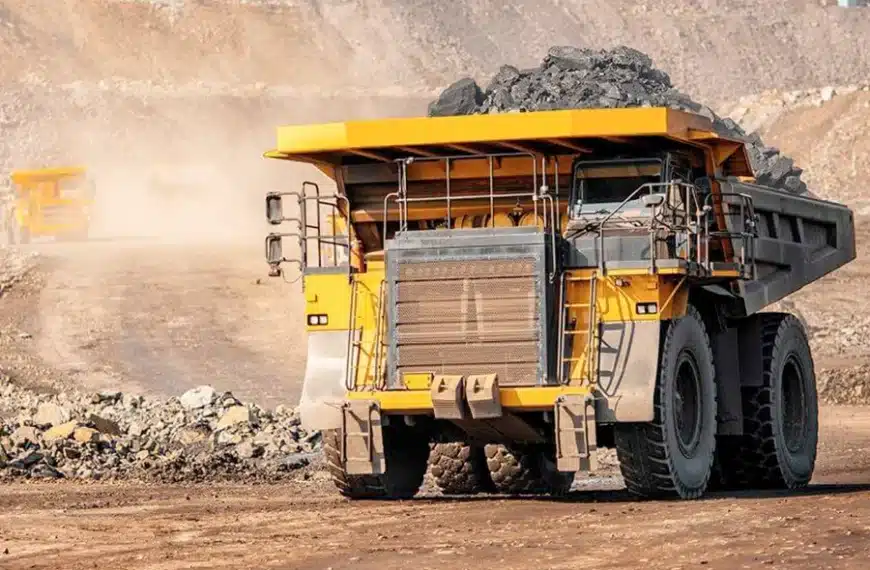
The Role of Gas in Mining Operations
Mining operations rely heavily on gas to perform a range of tasks efficiently and safely. The presence of explosive methane gas in underground mines necessitates the need for proper and controlled usage of industrial gases.
One of the primary uses of gas in mining is for the purpose of welding and cutting. The harsh conditions in mines require robust equipment maintenance and infrastructure development, for which gas-fuelled welding is indispensable.
Mining Gas Applications
Mining gas is a term often used to refer to a range of gases utilised in the mining industry. These gases serve as fuel, provide energy, and assist in material processing. Oxygen, for example, is used to enhance combustion in smelting operations, improving efficiency and reducing greenhouse gas emissions.
Nitrogen gas is employed to displace oxygen-rich air in mines, helping to prevent fires and explosions. It’s also used in the preservation of samples for assay labs and to maintain pneumatic pressure for powering tools and machinery.
Acetylene in Mining
Acetylene, a highly combustible gas, plays a significant role in metalworking processes within mining operations. It is primarily used in oxy-acetylene welding and cutting, which are essential for repairing heavy-duty mining equipment and fabricating metal structures.
Acetylene’s high-temperature flame, which can exceed 3,000°C, makes it ideal for tasks requiring precision and high heat. It is also used for the hardening of steel in manufacturing drill bits and other equipment critical for mining.
MIG Gas for Mining Operations
Metal Inert Gas (MIG) welding, which utilises mig gas, is another prevalent technique in the mining industry. This form of welding requires a shielding gas to protect the arc and molten weld pool from atmospheric contamination. MIG welding is favoured for a range of applications due to its adaptability, speed, and the quality of the finished weld.
Ensuring Safety and Efficiency
While gas plays a critical role in mining operations, it also brings challenges, most notably in terms of safety. Mining businesses must adhere to stringent regulations to ensure the safe transport, storage, and use of industrial gases. Regular safety training and risk assessments are necessary to avoid accidents.
Gases used in mining are commonly stored in high-pressure cylinders and require special handling equipment. Robust protocols need to be in place for leak detection and emergency response to mitigate risks associated with the use of combustible and asphyxiant gases.
Innovations and Environmental Considerations
In a bid to reduce environmental impact, the mining industry continues to explore cleaner fuel options. Gases such as hydrogen are being investigated for their potential to replace diesel fuel in mining vehicles. Hydrogen fuel cells convert hydrogen gas into electricity, emitting only water vapour as a by-product, contributing to a greener mining process.
Capture and utilisation of methane emitted from coal mines also represent significant strides towards reducing greenhouse gas emissions. This methane can be repurposed as a clean energy source, consequently reducing the release of this harmful gas into the atmosphere.
The Economic Benefits
Implementing efficient gas usage can translate into significant economic benefits for mining operations. The use of technologically advanced systems and equipment designed to maximise gas efficiency can reduce wastage, cut costs, and increase productivity.
The continuous development of gas technologies, including automation and more sophisticated delivery systems, is expected to drive savings and competitive edge for mining companies looking to optimise their gas use.
Training and Compliance
Mining companies must invest in ongoing education and training programs for their workforce to ensure compliance with safety and operational standards. Understanding gas properties, handling procedures, and emergency responses is essential for maintaining a safe work environment.
Future Perspectives
The mining sector is continually evolving, with gas use in mining undergoing constant refinement and innovation. From enhanced safety measures to the introduction of more sustainable practices, gases remain an integral component of mining operations.
As advances in technology pave the way, the utilisation of gas in mining is expected to become even more integrated, efficient, and environmentally considerate. This will require a partnership between mining companies and gas suppliers to meet the demands of tomorrow’s challenges while upholding the industry’s commitment to safety and excellence.
In conclusion, gas plays an indispensable role in supporting and advancing the multifaceted field of mining. The effective and safe application of gases such as mining gas, acetylene, and mig gas can significantly optimise processes within the industry, demonstrating the invaluable nature of these resources in powering vital operations. With a concerted push towards sustainability and safety, the use of gas in mining is set to continue its trajectory of critical significance.


