
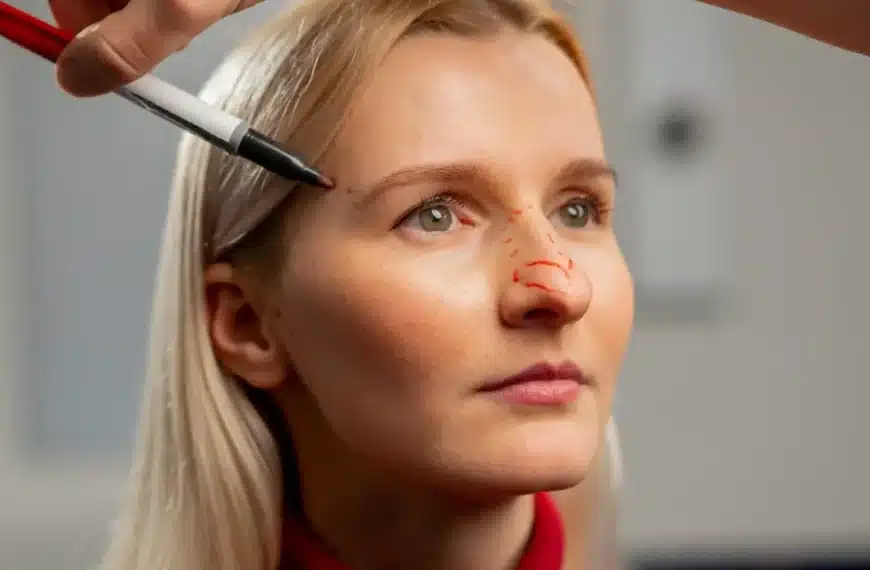
Nose augmentation is also often called rhinoplasty and is a specialised procedure for resizing or changing the shape of the nose. You might be recommended nose augmentation to correct a bump, refine your tip, or improve breathing.
Follow this link for more: https://www.artisanplasticsurgery.sg/procedures/rhinoplasty. There are two main ways of doing a nose augmentation; surgical and non-surgical nose augmentation.
In surgical nose augmentation, a surgeon makes small cuts which go either inside your nostrils (closed technique) or on the strip of skin between your nostrils (open technique). The surgeon then trims, adds, or repositions bone and cartilage to achieve your desired shape.
Non-surgical nose augmentation uses injectable fillers where a trained doctor injects gel into target areas of your nose. This method can smooth bumps, lift a drooping tip, or improve symmetry in minutes.
There’s no cutting involved, so you skip stitches and many risks of surgery. Both techniques aim to give you natural-looking results but differ in recovery time, cost, and, importantly, scarring.
Will Nose Augmentation Leave Scars?
A properly done nose augmentation cannot only reshape or enhance the nose but also improve breathing if structural issues are present. However, like many people you might wonder; will nose augmentation leave scars?
A nose augmentation may leave scars but this wholly depends on the method you choose. With non-surgical nose augmentation, you inject fillers with a tiny needle. The needle puncture heals in a day or two and while you may see a small red mark, it fades quickly, leaves no stitches, and leaves no lasting scars.
Surgical nose augmentation on the other hand can leave scars, but a good surgeon will work to hide them. In a closed rhinoplasty, all cuts stay inside your nostrils which means that no visible scars on your nose’s outer skin. Any scarring is tucked inside where no one sees it.
In an open rhinoplasty, there is a small cut on the columella — that thin strip between your nostrils. This cut heals as a faint line and a skilled surgeon will strategically place it so it blends with your natural skin fold. Over time, it usually becomes barely noticeable.
So, does nose augmentation leave scars? The answer is yes for surgical methods, but scars are minimal and well-concealed. Non-surgical methods leave almost no trace.
However, we’d like to point out that even with a skilled surgeon, individual factors affect scarring risk. Real quick, here is a summary of the factors which affect your risks of getting scars after nose augmentation;
- Skin Type and Tone: Thicker or oilier skin may scar differently than thinner skin. Some darker skin tones have a higher chance of raised or pigmented scars. A good doctor will assess your skin and advise on the best technique.
- Age and Healing Ability: Younger skin often heals faster and may scar less. As you age, your skin’s repair slows down. Nutrition, sleep and overall health also influence healing and scar quality.
- Surgical Technique and Skill: The precision of each incision matters. Clean, sharp cuts heal with finer scars than rough or jagged cuts. Choose a board-certified rhinoplasty surgeon with ample experience in scar management.
- Post-Op Care Compliance: After your nose augmentation, you will be given specific Following your surgeon’s instructions for cleaning, protecting and massaging your incision helps scars fade. Please follow these instructions diligently and avoid sun exposure and use SPF to prevent darkening. You do not want to skip any care steps as this can lead to thicker, redder scars.
Tips to Minimize Scarring after Nose Augmentation
Good post-op care can make a big difference in how your scar looks. Here are some ways to help your nose heal cleanly:
- Follow Your Surgeon’s Cleaning Routine: Your surgeon will show you how to clean the incision site. Use only recommended saline sprays or gentle cleansers. Avoid harsh soaps or chemicals. Keeping the area clean prevents infection, which can worsen scarring.
- Apply Silicone Gel or Sheets: Silicone products form a protective layer over the scar and keep moisture in and block irritants out. Use them as directed, often twice daily for several months. If used correctly, silicone can reduce redness and scar thickness.
- Protect Your Scar from Sunlight: UV rays can darken scars and slow healing. To protect against UV rays, wear a broad-brimmed hat or apply SPF 50 on exposed areas. Also apply sunscreen gently, without rubbing on the incision. Proper sun protection will give your scar a better chance to fade.
- Gently Massage the Scar: After your doctor clears you for massage, use clean fingers to rub the scar in a circular motion. Do this for five minutes, twice a day. Massage helps remodel scar tissue and improve blood flow. Stop if you feel pain or see irritation.
- Avoid Smoking and Alcohol: Smoking narrows blood vessels and starves the skin of oxygen. Alcohol can dehydrate your body and slow collagen formation. Both factors can deepen scars. Quit or cut back to speed up your nose’s natural repair.
Scar Treatment Options for Nose Augmentation
While chances of developing scars are few if your nose augmentation is done correctly, some may still persist. If your scar remains noticeable after healing, tailored treatments can help refine it. Here are some options your doctor may recommend:
- Laser Therapy: For this treatment, doctors use focused light to break down scar tissue and stimulate healthy skin growth. Sessions last about 15 minutes with minimal discomfort. You may need multiple treatments, spaced weeks apart.
- Steroid Injections: For raised or hypertrophic scars, steroid shots can flatten and soften the area. The provider injects medication directly into the scar. You may need a series of injections over several months. While results may vary, many people see marked improvement.
- Microneedling: This technique uses tiny needles to create micro-injuries in scar tissue. The controlled damage prompts your skin to rebuild with fresher collagen. Treatments take about 30 minutes with mild redness afterward. Repeat sessions can improve scar texture and colour.
- Scar Revision Surgery: In rare cases, a plastic surgeon can remove and re-close the scar. This can give you a new, finer scar line. It’s usually considered only if other treatments fall short. Please, discuss risks and benefits fully before opting for surgery.
In Summation
Nose augmentation can leave scars, but they are usually small and well-hidden. Non-surgical fillers avoid lasting marks altogether.
If you choose surgery, a good provider will choose proper technique and offer diligent after-care to help your scar fade into a fine line. Should you need extra help, specialised treatments like laser therapy and microneedling can refine your scar further.
Are you curious whether nose augmentation is right for you? Get in touch with us so our team of skilled plastic surgeons can guide you from the first step. See details below;


