
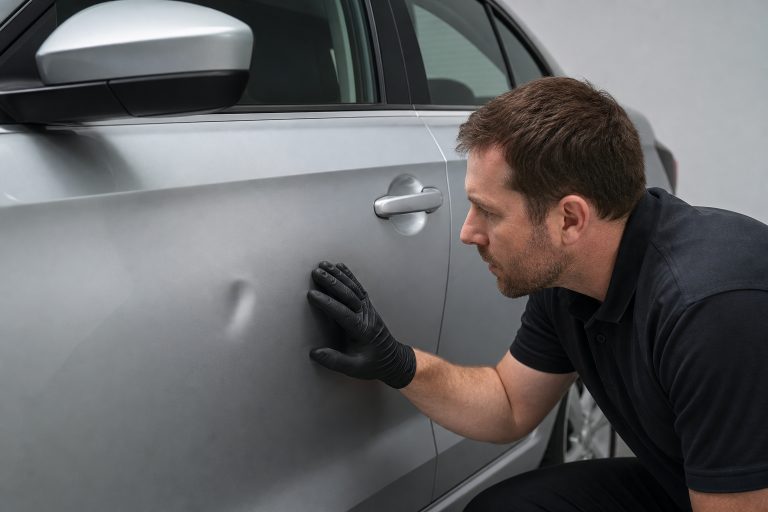
A small dent can be more than a cosmetic annoyance. The right repair choice depends on the condition of the paint, the shape and location of the damage, access behind the panel, and whether nearby safety equipment may be affected. For Denver metro drivers seeking dent repair Aurora, Premium Automotive LLC provides paintless dent repair evaluations for personal vehicles and commercial fleets, including hail-related damage. Its Aurora service page explains its inspection-led process, insurance coordination, and original-finish-focused repairs for drivers throughout Aurora and the greater Denver metro area.
Before approving any repair, take a few minutes to document the damage and understand your options. Choosing paintless dent repair, conventional bodywork, or a more comprehensive collision repair should be based on the vehicle's actual condition, not the size of the dent alone.
Start With a Careful Damage Check
Inspect the vehicle in bright, indirect light, since direct sun can hide shallow damage, and reflections can reveal distortions that are otherwise easy to miss. Take photos from several angles before washing the panel, moving the vehicle, or trying a home repair. Pictures may also help with an insurance claim.
- Look closely at sharp body lines, panel edges, and door gaps.
- Check for chipped, cracked, flaking, or missing paint.
- Inspect nearby trim, lights, mirrors, and weather seals.
- Note whether the dent is near a parking sensor, camera, or bumper-mounted component.
- Watch for uneven paint texture or filler that could indicate a previous repair.
A minor-looking dent can conceal stretched metal, a damaged mounting point, or an issue near a seam. If a door no longer closes smoothly, a hood gap looks uneven, or a warning light appears, arrange a professional inspection promptly.
What Makes One Dent Easier to Repair Than Another?
Dent size matters, but it is not the only factor. A technician also evaluates the panel material, depth, shape, paint condition, and whether the rear of the panel can be reached safely.
- Shallow, rounded dents are often better candidates for repair without refinishing.
- Sharp creases concentrate stress and may leave metal too distorted for a clean paintless result.
- Body-line damage requires careful reshaping to restore the panel's original contour.
- Aluminum panels behave differently from steel and need technicians experienced with the material.
- Broken paint changes the equation because exposed metal can corrode if it is not properly refinished.
When Paintless Dent Repair May Be the Right Choice
Paintless dent repair, often called PDR, reshapes a damaged panel while preserving the original factory finish. Instead of sanding the area, applying body filler, priming, and repainting, a trained technician uses specialized tools and lighting to gradually restore the panel from behind or with controlled exterior techniques.
Common PDR Candidates
- Parking-lot door dings
- Shallow shopping-cart dents
- Light dents on hoods, doors, roofs, and quarter panels
- Minor hail damage with intact paint
- Damage that has not severely stretched or folded the metal
Even when a dent looks ideal for PDR, location can change the plan. A brace behind the panel, limited tool access, a panel edge, or an old repair may make conventional bodywork the more reliable choice.
When Traditional Autobody or Collision Repair Makes More Sense
Traditional repair is often needed when a panel requires more than careful reshaping. The process may involve pulling damaged metal, applying filler where appropriate, sanding, priming, color matching, refinishing, or replacing the panel entirely.
- The paint has cracked, peeled, or chipped down to bare metal.
- The panel has a deep crease, sharp fold, tear, or severe stretch.
- Damage reaches a structural area or affects panel alignment.
- A previous repair prevents the metal from being reshaped cleanly.
- The dent is part of a collision involving lights, wheels, suspension, doors, or bumpers.
Paintless dent repair is not a substitute for collision repair when structural, mechanical, alignment, or safety-system damage is possible. Appearance is important, but restoring safe operation comes first.
Do Not Overlook Sensors and Driver Assistance Features
Modern vehicles may place cameras, radar units, parking sensors, blind-spot monitoring equipment, and wiring near dented panels. The driver assistance technologies found in many current vehicles can include rear cross-traffic warnings, lane-assistance features, collision alerts, and automatic braking systems, so owners should review the vehicle manual after damage or repair.
- Ask whether diagnostic scanning is appropriate after the repair.
- Confirm whether camera or radar calibration may be required.
- Pay attention to warning lights or changed system behavior.
- Do not assume a smooth panel confirms that every nearby component works correctly.
Hail Damage Calls for a Full-Vehicle Inspection
Hail rarely damages just one area. Small dents can be scattered across the roof, hood, trunk, upper doors, pillars, and fenders. Check the vehicle systematically, including mirrors, glass, trim, and weather seals.
- Photograph the vehicle before repairs begin.
- Document every visible panel, not only the most obvious dents.
- Look for cracked paint, broken glass, and loose trim.
- Review your deductible and start the insurer's claim process.
- Request a written estimate that identifies each damaged panel.
For many policies, hail falls under comprehensive rather than collision coverage. Understanding the difference between comprehensive and collision insurance coverage can help owners ask the right questions about deductibles, documentation, and approval steps before repairs begin.
DIY Dent Repair: Risks Worth Avoiding
A low-cost home kit may seem appealing for a tiny blemish, but poor technique can stretch metal, crack paint, damage trim, or make later professional repair harder. Avoid striking a panel with a hammer, drilling access holes, pouring boiling water over painted surfaces, or using aggressive adhesives near sensors and fragile paint.
Never attempt a repair around airbags, wiring, structural parts, or components that affect door operation. If the vehicle has paint damage or a sharp crease, professional evaluation is usually the lower-risk choice.
How to Compare Repair Estimates
Price is important, but it should not be the only deciding factor. Compare estimates by asking what method is recommended and why. A clear estimate should explain whether it includes disassembly, reassembly, paintwork, scans, calibration, quality checks, and insurance paperwork.
- Ask how long the repair is expected to take.
- Request warranty terms in writing.
- Ask whether the shop has experience with your vehicle's panel material and body style.
- Confirm how supplements or hidden damage will be communicated.
- Keep records showing the repair method, parts used, and final invoice.
Questions to Ask Before Scheduling Repairs
- Is paintless dent repair suitable for this exact dent?
- Is the paint intact, and has the metal stretched?
- Are sensors, cameras, wiring, or airbags near the damaged area?
- Will the vehicle need scanning or calibration afterward?
- What is included in the written estimate and warranty?
- Can the shop assist with insurance documentation?
Final Decision Checklist
- Paint intact and dent shallow: Ask whether PDR is appropriate.
- Paint cracked or metal torn: Discuss traditional autobody repair.
- Multiple hail dents: Request a complete inspection and itemized estimate.
- Safety features nearby: Ask about scans and calibration.
- Damage is unclear: Avoid DIY shortcuts and schedule an in-person evaluation.
The best dent repair method protects more than your vehicle's appearance. A thorough inspection helps preserve paint, value, safety features, and long-term reliability while ensuring the repair matches the true extent of the damage.


