
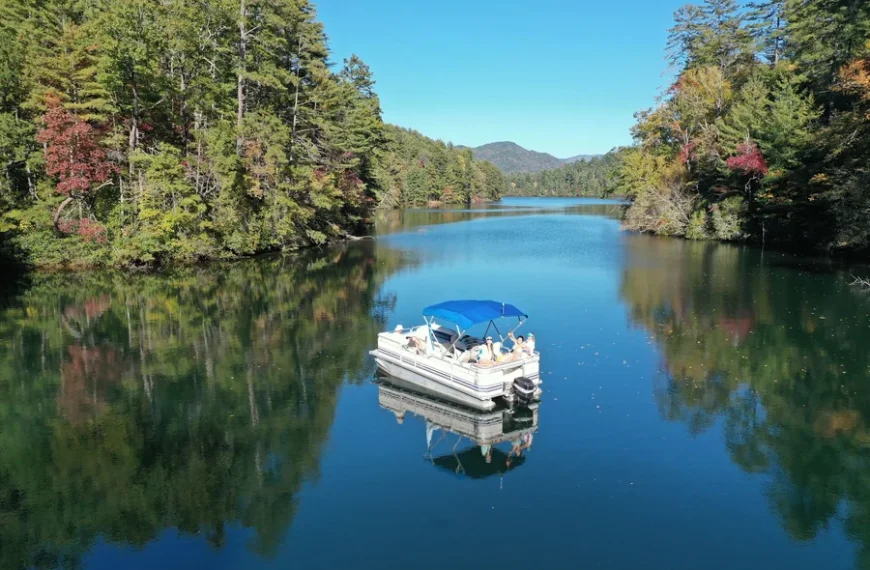
Missouri boating can mean a quiet morning of fishing on a smaller lake, a family swim day in a protected cove, a float-stream outing, or a busier afternoon at Lake of the Ozarks. Finding the right fit starts with looking past a boat’s appearance and focusing on where, how, and with whom it will be used. Shoppers comparing boats for sale in Missouri can make a more confident decision by matching the boat to their normal routine rather than an occasional, idealized trip.
Missouri’s waterways vary widely in size, depth, traffic, current, and exposure to wind and wake. A boat that is enjoyable for relaxed family cruising may not be the most practical choice for shallow-water fishing, regular towing, or a full day with several passengers and plenty of gear.
1. Start With How You Will Use the Boat
Picture a typical Saturday, not just the biggest adventure you hope to have. Will the boat primarily carry two anglers, a family with children, a group of friends, or a mix of people who want to fish, swim, and cruise? Think about how often it will leave the driveway, whether outings will last a few hours or all weekend, and where coolers, life jackets, tackle, tow ropes, and other equipment will go.
A family may admire a large fishing-focused boat, then realize that most of its Missouri weekends involve swimming, relaxing, and sharing food in a cove. In that case, comfortable seating, a boarding ladder, shade, and usable storage may matter more than specialized fishing features.
If a change in plans means selling my boat is part of the conversation, use the experience as a reset. Identifying what worked, what went unused, and what felt inconvenient can point toward a better next purchase.
2. Match the Boat to Missouri Water
Water conditions should shape the shortlist. Smaller lakes often reward easy handling, straightforward launching, and compact storage. Rivers and floatable streams can call for shallow draft, careful propeller protection, and a layout that works with changing current and shoreline access. Larger lakes can develop wind, boat wake, and chop, so a stable ride, adequate freeboard, and predictable handling become more important.
Before buying, review the state’s boating laws and vessel safety requirements alongside the waters you expect to use. Equipment, registration, operating rules, and local conditions should influence the decision as much as upholstery, electronics, or paint color.
3. Compare Popular Boat Types
There is no single best boat for every Missouri household. Compare the practical strengths and trade-offs of the designs that fit your intended use.
- Pontoons: Often suit social cruising, leisurely meals, swimming stops, and larger groups. They can be especially appealing for calm-water recreation and comfortable seating.
- Bowriders: Offer versatile day-boat layouts for cruising, swimming, and towing, with seating at the bow and in the cockpit.
- Fishing boats: Prioritize casting room, gear storage, livewells, and deck access. They are a logical option when fishing is the central activity.
- Center consoles: Provide open movement around the helm and can work well for mixed fishing and cruising uses.
- Deck boats: Emphasize passenger space and broad seating areas for families who want room to spread out.
- Watersports boats: Are designed around towing performance and water access, but buyers should still consider seating, storage, and the waters where they will operate.
4. Choose the Right Size
Length is only one measurement. Beam, hull design, draft, fuel capacity, engine size, loaded weight, and interior layout all affect the boating experience. A larger boat may feel more spacious, but it can also require more storage room, a stronger tow vehicle, more fuel, and more effort at the launch ramp.
Measure the garage, driveway, storage building, slip, or covered dock before shopping. Then verify the total length and weight, including the trailer, engine, fuel, batteries, gear, and personal equipment. Review the capacity plate and leave room for safety gear rather than planning around the maximum passenger number.
5. Consider Your Regular Crew
The people who will actually ride aboard should guide the layout. A couple who fish early in the morning may want a different floor plan than grandparents taking young children for afternoon rides. Step aboard several models and test the details: seating depth, handholds, walking paths, shade, storage lids, boarding steps, and access to life jackets.
Consider pets, mobility needs, and the challenge of getting people back on board after swimming. A practical boat makes those ordinary moments easier without forcing everyone to move gear or squeeze through narrow spaces.
6. Look Beyond the Purchase Price
A realistic ownership budget includes more than the initial price. Account for insurance, registration, fuel, maintenance, repairs, storage, marina or dock fees, winterization when needed, trailer service, batteries, covers, and safety equipment. Comparing a one-year and five-year estimate can reveal whether a lower purchase price could lead to higher immediate repair or upkeep costs.
7. Decide Between New and Used
New boats may offer current equipment, warranty coverage, and fewer unknowns. Used boats can provide more size or features for the budget, but condition matters more than age alone. Ask for maintenance records, engine-hour information, ownership documents, and details about where and how the boat was stored.
Questions to Ask About a Used Boat
- Are service records available and consistent?
- Are the hull, transom, wiring, gauges, pumps, and trailer in sound condition?
- Has the boat been used primarily in freshwater or saltwater?
- Do the registration, title, hull identification number, and included equipment match?
8. Inspect and Test Before Buying
Walk around the hull in good light and look for cracks, impact damage, blisters, questionable repairs, loose hardware, or corrosion. Check the steering, batteries, bilge equipment, wiring, lights, trailer tires, bearings, brakes, winch, and safety items. When possible, take a water test to observe starting, steering, acceleration, gauges, trim, and handling. A qualified marine technician can provide an independent opinion before paperwork is signed.
9. Plan for Storage and Care
Storage is part of choosing the boat, not an afterthought. Confirm where it will sit between outings, how it will be protected from weather, and whether the trailer can be maneuvered safely at home. Regular cleaning, battery care, engine service, and trailer maintenance support reliability and help keep the boat ready for the next Missouri weekend on the water.
10. Use a Final Buying Checklist
- The boat supports the main activity, not just an occasional use.
- The hull and layout suit the Missouri waters you expect to use.
- The usual crew can sit, move, board, and store gear comfortably.
- The storage, towing, and launch plan is realistic.
- Total ownership costs fit the household budget.
- The engine, hull, trailer, and paperwork have been inspected.
- The boat has completed a water test when possible.
Conclusion
The right Missouri boat is the one that makes ordinary days on the water simpler, safer, and more enjoyable. Start with your local water, regular crew, storage situation, and true budget. With those priorities in place, it becomes much easier to choose a boat that will see regular use from the first warm weekend through the end of the season.


