
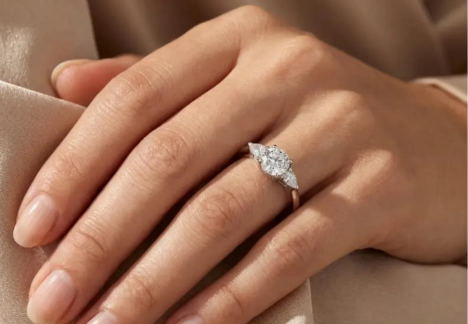
Selling an engagement ring can bring up more questions than you might expect.
You may know what you paid for the ring, but that does not necessarily tell you what someone will pay for it today. You may also be unsure whether to visit a local jeweler, work with an online buyer, or put the ring up for auction.
Each option comes with different trade-offs.
A jeweler gives you the chance to speak with someone face-to-face. An online buyer can make the process easier from home. An auction house can expose your ring to multiple bidders. The best choice depends on the ring, your timeline, and how much effort you want to put into the sale.
Here is how each option works and what you should consider before choosing one.
Option 1 – Online Buyer
An online buyer lets you start the process without making a trip to a jewelry store. If you are searching for the best place to sell engagement ring, an online buyer can provide a convenient way to begin. You may submit information about your engagement ring, including the diamond’s specifications, certification, photographs, and other available documents. Based on those details, the buyer may provide an initial estimate before requesting the ring for a physical evaluation.
Once the buyer receives the ring, the diamond and setting can be inspected more closely. The final offer may differ from the initial estimate because the buyer can verify the ring’s actual condition and characteristics. Before sending anything, make sure you understand the shipping process.
A reputable buyer should explain how the package is insured and what happens after the ring arrives.
Benefits And Drawbacks of Selling to an Online Buyer
Convenience is a major advantage of an online buyer. You can start the process from home and avoid driving to several jewelry stores to compare offers. A specialist buyer may also have experience with diamonds and fine jewelry, which can be helpful when evaluating factors such as carat weight, cut, color, clarity, certification, brand, and current market demand.
The trade-off is that you need to be comfortable with an online transaction and shipping valuable jewelry. Research the buyer before moving forward. Look for clear business information, a defined evaluation process, secure shipping instructions, and straightforward payment and return terms. Also remember that an online estimate is not necessarily a final offer. The final value usually depends on the physical inspection.
Option 2 – Local Jeweler
Another way to go is through a local jeweler, which is one of the most familiar choices. You may take your diamond to a store where a professional can analyze the diamond, setting, metal, condition, and the general design. The jeweler might also look at the brand and the existing demand to offer a proposal.
The biggest benefit is being able to handle the conversation in person. You can also inquire how the jeweler valued the ring and receive answers immediately. You also do not have to worry about the delivery of an expensive jewel. However, one jeweler’s offer may not tell you the full
story. Different shops possess various purchasing plans and expenditures; therefore, the rates may fluctuate.
Benefits and Drawbacks of Selling to a Local Jeweler
A jeweler may be a good fit if you prefer personal service and want a straightforward, face-to face experience. The process can also be relatively quick when the store is interested in buying your type of ring. Some jewelers regularly purchase estate jewelry, diamonds, and pre-owned engagement rings.
The main issue is that not every jewelry store specializes in buying used diamond jewelry. A store may focus primarily on selling new pieces and offer less for a ring it does not plan to resell directly. For that reason, consider getting more than one offer. Ask each jeweler how the price was determined and whether the quoted amount is the amount you will actually receive.
Option 3 – Auction House
An auction house follows a different model. Instead of buying your engagement ring directly, the auction house typically accepts the piece for consignment and presents it to potential buyers. Interested bidders then compete for the ring, and the winning bid determines the sale price.
Before accepting a ring, an auction house may assess its quality, condition, brand, history, and potential appeal to its audience. The house may also set a reserve price based on its agreement with you. Once the ring enters the auction, the result depends heavily on how much interest it
generates. A strong pool of bidders can work in your favor, but there is no guarantee that bidding will reach your preferred price.
Benefits And Drawbacks of Selling Through Auction
An auction can work well for rare, vintage, or designer engagement rings. Unique features, recognizable brands, or documented history may attract collectors and encourage competitive bidding. An auction house can also connect you with buyers outside your local area.
However, auctions can take longer and may include seller commissions or other fees. The final price also depends on bidder interest. Before choosing this option, ask about commissions, reserve prices, insurance, marketing costs, timelines, and payment. Focus on your expected payout, not just the winning bid.
Consider Ring Details Before You Choose
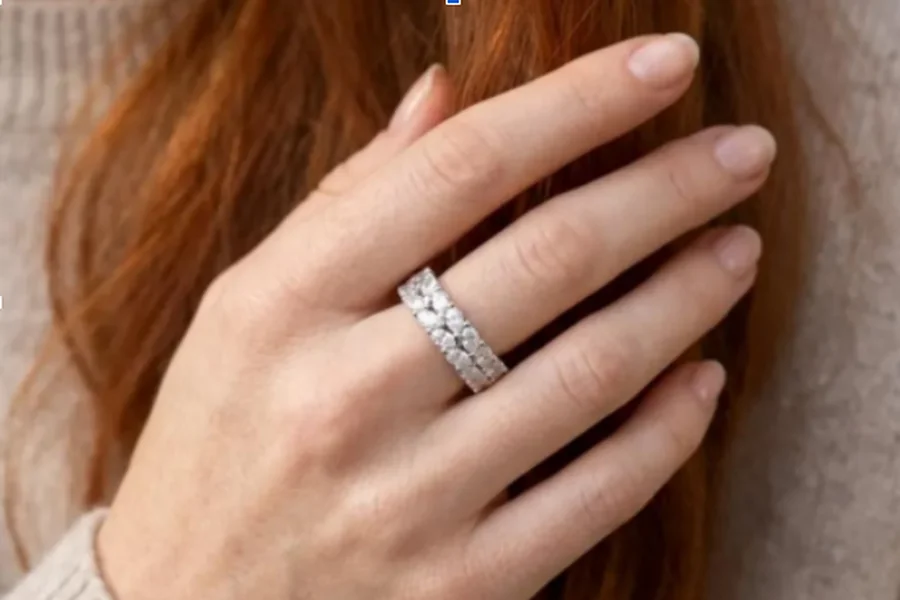
Your ring’s type and characteristics can help determine the right selling option. A classic diamond ring may suit a specialist buyer, while a rare designer or antique ring could attract more interest at an auction. A local jeweler may be ideal if you prefer an in-person evaluation.
Gather your diamond grading report, receipts, appraisal, warranty, and brand documents before requesting offers. These records can verify important details and support the valuation. Remember, an insurance appraisal or original purchase price does not guarantee the ring’s current resale value.
Compare Offers Before Deciding
Do not rush to accept the first offer. Compare each buyer’s valuation and check for fees or other deductions. For auctions, factor commissions and additional costs into the final amount you could receive.
Consider your timeline, too. A direct buyer may offer a simpler process, while an auction may suit a rare or distinctive ring. Compare price, convenience, security, expertise, fees, and payment terms before choosing.
Conclusion
There is no single answer for every seller. A jeweler can provide personal service and an in-person evaluation.
An online buyer can simplify the process and offer access to specialized diamond expertise. An auction house can create competition and reach collectors, particularly when a ring has rare or desirable qualities.
Before choosing, gather your ring documents and compare your options carefully. Ask about valuation methods, fees, shipping protection, payment, and return policies. Most importantly, look beyond the initial price.
A fair offer paired with a secure, transparent process can be more valuable than a higher number that comes with high costs or uncertainty.


