
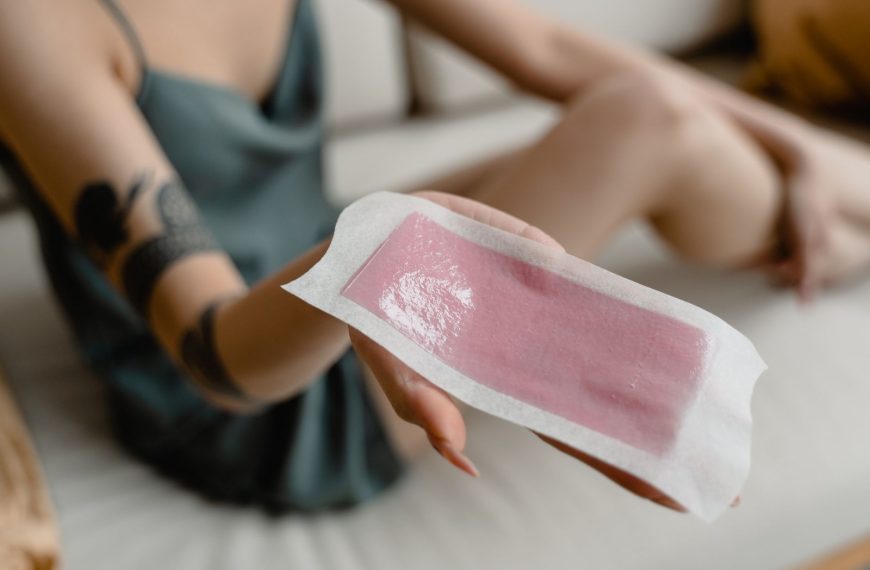
Waxing removes hair from the root, so preparation affects comfort, skin response, and the quality of the result. A few practical changes before an appointment can reduce tugging, prevent avoidable irritation, and help the session move faster. Skin condition, hair length, timing, and communication all matter. These eight steps explain what to do before arriving, beginning with the appointment details that shape the entire experience.
1. Choose An Experienced Waxing Provider
A skilled professional uses the correct temperature, application thickness, removal angle, and hand pressure for each body area. Those details reduce repeated passes over sensitive skin and limit unnecessary pulling.
People seeking local guidance can review waxing east village before booking. A suitable appointment should match the body area, desired finish, and timing. Clients should check the service description, confirm the location, and ask whether the provider handles sensitive skin or first-time appointments. Clear information reduces rushed decisions and supports better preparation.
2. Let Hair Reach The Right Length
Hair needs enough length for wax to grip firmly. Shaving immediately before an appointment leaves too little growth, which forces repeated attempts and increases skin friction.
Most body waxing works best when hair has grown for roughly two to three weeks after shaving. Exact timing depends on individual growth and the area being treated. A provider can confirm the preferred length during booking, especially for facial waxing or short regrowth.
3. Stop Shaving Before The Visit
Shaving creates uneven growth and short hairs that wax cannot catch consistently. Clients should stop shaving several days or weeks before the appointment, based on their usual growth rate.
Avoid trimming unless the provider gives specific instructions. Extra length can be removed, but very short hair cannot be gripped effectively. Booking regular appointments also helps hair growth settle into a more predictable cycle.
4. Exfoliate Gently, Not Aggressively
Gentle exfoliation removes surface buildup and helps hair leave the follicle cleanly. It also reduces the chance of trapped hairs after waxing.
Use a mild physical exfoliant or a product already tolerated by the skin one or two days before the appointment. Do not scrub on the appointment day. Skip exfoliation entirely if the skin feels sore, cracked, sunburned, or unusually sensitive.
5. Avoid Irritating Skin Products
Retinoids, strong exfoliating acids, and certain acne treatments can thin or sensitize the outer skin layer. Waxing over treated skin can then cause excessive redness or surface lifting.
Clients should review their current products with the provider before booking. A professional can explain whether a temporary pause is needed. The right pause depends on the product, treatment area, and skin condition, so clients should follow medical advice for prescribed treatments.
6. Keep The Skin Clean And Dry
Arrive with clean skin free from lotion, body oil, sunscreen, and heavy fragrance. Residue makes it harder for wax to adhere evenly and can increase the number of passes.
A shower before the appointment helps remove sweat and product buildup. The skin should be fully dry before waxing begins. Loose, breathable clothing also reduces rubbing after treatment, especially following bikini, leg, or underarm waxing.
7. Time The Appointment Thoughtfully
Skin often feels more reactive during menstruation because hormonal changes can increase tenderness. People with predictable cycles can schedule appointments outside the most sensitive days.
Clients should also avoid booking immediately after intense sun exposure, a chemical peel, or another treatment that irritates the skin. Adequate sleep and a normal meal support comfort during the session. A small snack is useful for anyone who feels lightheaded during personal-care appointments.
8. Tell The Provider About Skin Changes
A professional needs accurate information before applying wax. Clients should mention recent sunburn, rashes, cuts, medication changes, allergies, or previous reactions.
The provider can then adjust the service, avoid affected areas, or recommend postponing the appointment. Communication also matters during waxing. If the heat, pressure, or removal technique feels too intense, the client should say so immediately rather than waiting until the skin becomes irritated.
Conclusion
Pain cannot be removed from waxing completely, but preparation can reduce avoidable discomfort. Letting hair grow to a workable length, stopping irritating products, arriving with clean skin, and sharing relevant health information all support safer treatment. Clients should schedule during a less sensitive period, wear loose clothing, and follow the provider’s aftercare advice. The most useful next step is to contact the chosen provider before booking and confirm hair length, product restrictions, and timing.


