
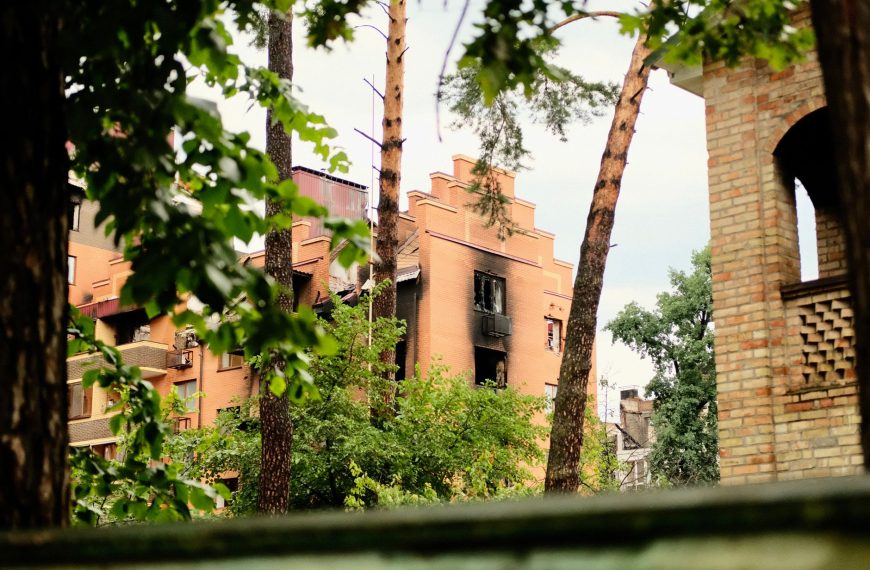
An apartment fire can leave residents with serious injuries, damaged belongings, medical bills, and questions about who should pay for their losses. While the property owner may be responsible in some cases, other parties may also share legal responsibility. Understanding who may be liable after an apartment fire can help injured residents identify possible claims and learn what evidence may be needed to support them.
How Apartment Fires Can Lead to Multiple Liability Claims
Apartment fires can start for many reasons, including faulty wiring, defective appliances, unattended cooking, or poor building maintenance. The cause of the fire is important, but it does not always identify everyone who may be responsible for the resulting injuries.
For example, a fire may begin because of a defective electrical component, spread because fire doors fail to close, and cause additional injuries because an alarm system does not work properly. Each problem may involve a different party.
Liability generally depends on whether someone had a legal duty to act with reasonable care, failed to meet that duty, and caused harm as a result. The facts of each incident determine whether one party or several parties may be held responsible.
Property Management Companies
Property management companies often handle daily operations, maintenance requests, repairs, and safety concerns. Their responsibilities depend on their contracts, the tasks they control, and applicable laws.
A management company may face a claim if it ignores repeated reports of dangerous wiring, fails to arrange necessary repairs, or neglects fire safety equipment it agreed to maintain.
For instance, residents might report that a hallway fire door does not close properly. If management receives these complaints but takes no reasonable steps to address the problem, the failure could become important evidence after a fire spreads through the building.
However, a management company is not automatically responsible whenever a fire occurs. Investigators must determine its actual duties, what it knew or should have known, and whether its actions contributed to the injuries.
Maintenance and Repair Contractors
Contractors may also face liability when careless work creates or increases a fire risk. Electricians, heating specialists, plumbers, and other repair professionals must generally perform their work with appropriate care.
An electrician who installs wiring incorrectly could create a dangerous condition. Similarly, a heating contractor who performs an unsafe repair may contribute to a fire if the work later causes equipment to overheat.
Contractors responsible for inspecting or servicing alarms, sprinklers, and other protective systems may also be investigated if those systems fail.
The key question is whether the contractor’s work fell below the required standard of care and contributed to the incident. Work orders, inspection reports, invoices, and expert evaluations can help establish what happened.
Manufacturers of Defective Products
Not every apartment fire results from poor maintenance or human error. Sometimes, a product has a dangerous defect that causes a fire or prevents residents from escaping safely.
Potentially responsible manufacturers may include companies that produce electrical appliances, batteries, heating equipment, power cords, or other products involved in the incident.
A product liability claim may arise when a manufacturing defect, unsafe design, or inadequate safety warning contributes to a fire. Depending on the circumstances and applicable law, other companies in the product’s supply chain may also face claims.
Residents should avoid discarding damaged appliances or components when possible. Photographs, purchase records, product labels, and the damaged item itself may help experts determine whether a defect contributed to the fire.
Architects, Engineers, and Construction Companies
Building design and construction can affect how quickly a fire spreads and whether residents have safe escape routes. Serious problems may arise from improper electrical planning, unsafe materials, inadequate fire barriers, or construction that does not meet applicable requirements.
An architect or engineer may be investigated if a professional design error contributed to the danger. A construction company may face a claim if careless work created a fire hazard or failed to follow required safety specifications.
For example, openings around pipes or electrical cables may allow smoke and flames to move between areas when they should have been properly sealed. If faulty installation contributes to the spread of a fire, the responsible contractor may become part of a liability investigation.
These claims often require technical evidence, including building plans, inspection records, construction documents, and opinions from qualified experts.
Security Companies and Fire Safety Service Providers
Some apartment buildings rely on outside companies to inspect, monitor, or maintain fire protection systems. These services may include alarm testing, sprinkler maintenance, emergency lighting checks, and fire safety inspections.
A service provider may face liability if it performs an inspection carelessly, overlooks a serious defect, or fails to complete agreed maintenance. Its responsibility depends on the services it accepted, the applicable safety standards, and whether its conduct contributed to the harm.
For example, an alarm maintenance company might fail to identify a known system malfunction during a required inspection. If the alarm does not warn residents during a later fire, its inspection records and service history may become important evidence.
The investigation should establish whether the company had responsibility for the failed system and whether proper service would likely have reduced the risk or severity of the injuries.
Other Tenants or Occupants
In some cases, another resident or occupant may have caused the fire through careless or dangerous behavior. Examples include leaving cooking unattended, improperly using heating equipment, or mishandling flammable materials.
A person whose actions start a fire may be legally responsible for injuries and property damage if the required elements of a claim are established.
However, the person who starts a fire is not necessarily the only party responsible. If a defective alarm, blocked exit, or poorly maintained fire door makes the situation worse, other parties may also share responsibility.
The investigation must distinguish between the original cause of the fire and the conditions that allowed it to spread or caused additional harm.
Evidence That Can Help Establish Liability
Identifying potentially responsible parties requires reliable evidence. Residents should seek medical attention after an injury and keep records of their treatment, expenses, and recovery.
When it is safe to do so, useful evidence may include:
- Photographs and videos showing the damaged apartment, escape routes, alarms, and other relevant conditions.
- Fire department reports, investigation findings, and available incident records.
- Maintenance requests, emails, inspection reports, and repair histories.
- Receipts, product details, and records relating to appliances or electrical equipment.
- Witness contact information and statements describing the events.
- Medical records documenting burns, smoke inhalation, and other injuries.
Official fire safety guidance can also help explain why inspection and maintenance matter. The U.S. Fire Administration provides information about fire prevention and safety. Such guidance can offer useful background, although it does not by itself establish legal liability in an individual case.
Residents should preserve relevant evidence and avoid making assumptions about the cause before the investigation is complete. Some damaged equipment may need expert examination, and important records may become harder to obtain over time.
What Injured Residents Should Know About Compensation
People injured in apartment fires may face medical expenses, lost income, rehabilitation costs, and lasting physical or emotional effects. Depending on the facts and applicable law, compensation may cover medical treatment, lost wages, pain and suffering, and other legally recoverable losses.
The availability and value of a claim depend on factors such as the severity of the injury, the evidence of negligence, the parties involved, and any applicable defenses. More than one party may be responsible, but the rules for dividing liability differ by jurisdiction.
Deadlines also matter. A claim may be subject to a legal filing period, and certain notice requirements may apply when a public entity is involved. Seeking legal advice promptly can help preserve evidence and clarify available options.
Understanding Responsibility After an Apartment Fire
An apartment fire can result from a combination of unsafe conditions, faulty products, poor repairs, and failures to maintain protective systems. Although a property owner may be an important part of the investigation, responsibility can extend to management companies, contractors, manufacturers, construction professionals, service providers, or other occupants.
The strongest approach is to examine how the fire started, how it spread, which safety measures failed, and whether those failures caused preventable injuries. By preserving evidence and identifying the duties of each party, injured residents can better understand their legal options and determine what steps to take next.


