
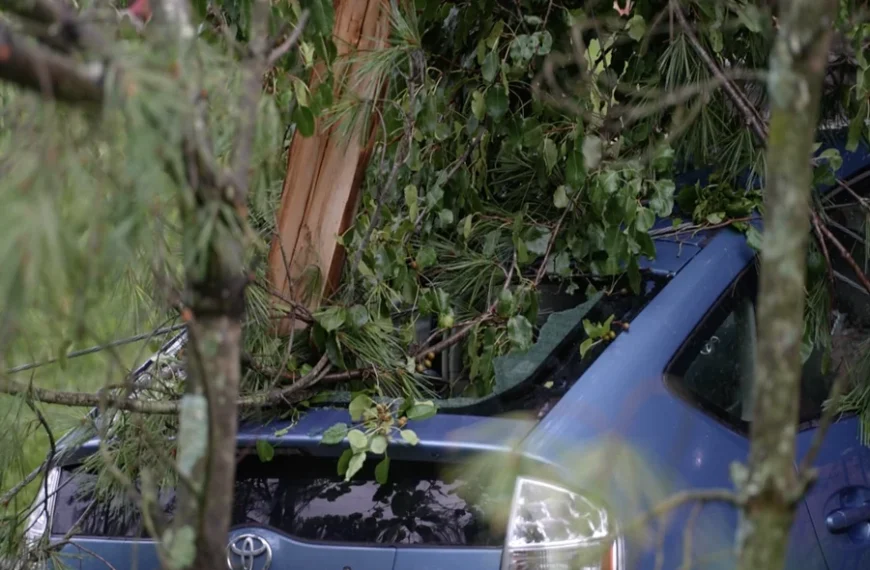
A healthy tree can stand in your yard for decades without causing a single problem. Then one strong storm rolls through, and a heavy limb or the whole trunk comes down on your roof, garage, fence, or car. In a matter of seconds, something that gave your home shade and curb appeal turns into a repair bill, a cleanup job, and an insurance claim you never planned to file.
Most homeowners policies cover tree damage when a covered event, such as wind, lightning, or hail, causes the tree to fall. The trouble is that insurers do not always agree about what caused the fall or how much the repairs should cost. When a claim is delayed, underpaid, or denied, a Kentucky tree damage insurance claim lawyer can review the policy and explain whether the insurance company handled the claim fairly. Before it ever gets to that point, though, there is a lot a homeowner can do to build a strong claim from day one.
When Homeowners Insurance Covers a Fallen Tree
Insurance companies usually start with one main question: why did the tree come down? If it fell because of a sudden and accidental event, coverage is much more likely. Common examples include high winds, thunderstorms, hail, lightning strikes, fire, and the leftover winds from hurricanes that move inland. In these cases, a standard policy often pays to repair the damaged structure and the belongings inside it, minus your deductible.
Coverage also depends on what the tree hit. A tree that lands on your house, a detached garage, a shed, or a fence is treated very differently than a tree that falls across an empty lawn. Many policies only pay for tree removal when the tree damaged a covered structure or blocks a driveway, and removal coverage often has its own dollar limit. Reading the other structures and debris removal sections of your policy can give you a clearer idea of what to expect before you talk to an adjuster.
Common Reasons Insurers Push Back on Tree Claims
The most common argument insurers make is that the tree was dead, rotting, or diseased before it fell. If an adjuster believes the problem was visible for months or years, the company may say the homeowner should have removed the tree and that the damage came from neglect instead of a storm. Damage from roots slowly growing under a foundation is another area where claims are often denied, since gradual root growth is not considered a sudden event. Homeowners can review additional information about tree-related property damage to explore related information.
Other disputes are about the size of the payment rather than coverage itself. An adjuster may miss hidden roof damage, leave out interior water damage that followed the impact, or price repairs well below what local contractors actually charge. Some homeowners also deal with long delays, unanswered calls, or repeated requests for documents they have already sent. These problems can drag a claim out for months while the home sits damaged.
Steps to Take Right After a Tree Falls
Safety comes first. Stay away from downed power lines, call the utility company if any lines are involved, and get everyone out of the house if the structure looks unstable. Once your family is safe, you can start protecting both your home and your claim.
Take clear photos and video of the tree, the point of impact, the roof, the walls, and any damage inside the house. Try to capture the base of the tree and the broken part of the trunk, since these pictures can help show whether the wood was healthy before the storm. Save weather reports or local news stories that mention high winds or storms on that date. Then make reasonable repairs to stop more damage, such as covering a hole in the roof with a tarp, and keep every receipt.
Report the claim to your insurance company as soon as you can, and write down the claim number, the adjuster’s name, and the date of every phone call. Ask for important answers in writing. If a tree service removes the tree, ask the crew to leave the stump and a section of the trunk, or at least photograph the wood up close, because that evidence can disappear quickly once cleanup is finished.
Tree Damage Claims in Kentucky
Kentucky has plenty of trees and plenty of severe weather, a mix that leads to a large number of tree claims every year. The state sees strong spring thunderstorms, tornado outbreaks, and winter ice storms that can coat branches until they snap under the weight. Many older neighborhoods in cities like Lexington and Louisville have large, mature trees growing close to homes, so a single storm can damage several houses on the same street. When that happens, insurance companies are flooded with claims, and some homeowners end up waiting longer or receiving lower offers than they expected.
Kentucky law expects insurers to handle claims fairly. The state’s Unfair Claims Settlement Practices Act (KRS 304.12-230) lists conduct insurance companies should avoid, such as failing to promptly investigate a claim or offering far less than what is owed. If you believe your insurer is not treating you fairly, you can file a consumer complaint with the Kentucky Department of Insurance, which looks into problems between policyholders and insurance companies. A complaint will not replace legal action, but it creates an official record and often gets a stalled claim moving again.
When to Get Legal Help With a Tree Claim
Many tree claims are paid without much trouble. But if your claim was denied because the insurer says the tree was rotten, if the offer will not cover a contractor’s estimate, or if the company has simply stopped responding, it may be time for a second opinion. A lawyer who handles property insurance disputes can compare the policy language with the facts, review the adjuster’s estimate line by line, and decide whether appraisal, a formal demand, or a bad faith claim makes sense.
It also helps to bring organized records to that first meeting. Your policy, the denial or offer letter, your photos, repair estimates, and your notes on every call with the insurer give an attorney a clear picture of what happened and where the claim went wrong.
Frequently Asked Questions
Does My Insurance Pay If My Neighbor’s Tree Falls on My House?
In most cases, you file the claim with your own insurance company, even if the tree belonged to your neighbor. Your insurer may later try to recover its costs from the neighbor’s insurer, especially if the neighbor ignored a tree that was clearly dead or dying.
Will Insurance Pay to Remove a Tree That Fell in My Yard but Hit Nothing?
Usually not. Most policies only cover tree removal when the tree damaged a covered structure, such as your home or garage, or when it blocks access to the property. Even then, removal coverage often has its own dollar limit, so check your policy for the exact amount.
How Soon Should I Report Tree Damage to My Insurer?
Report it as soon as it is safe to do so. Most policies require prompt notice, and waiting too long gives the insurance company another reason to question the claim or argue that the damage got worse because of the delay.
Protecting Your Claim After a Tree Falls on Your Home
A fallen tree creates a lot of work all at once, but the steps you take in the first few days can shape how your claim turns out. Document everything, protect the home from further damage, report the claim quickly, and keep a written record of every conversation with your insurer. If the insurance company still refuses to pay what your policy promises, you do not have to accept that answer without asking questions. Knowing your coverage and your rights gives you a much better chance of getting your home repaired the right way.


