
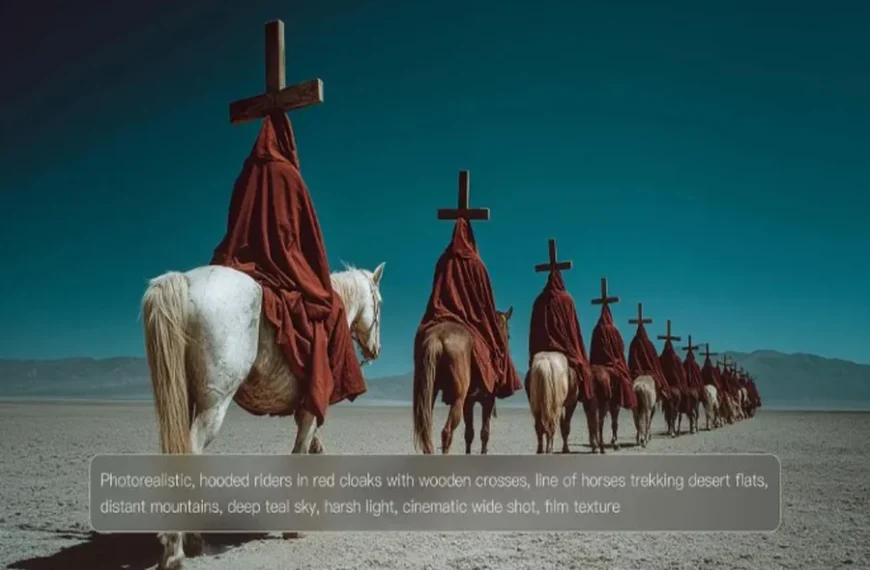
Website visuals shape a visitor’s first impression within seconds. Images guide attention, explain ideas, strengthen branding, and encourage users to continue exploring. Generic stock photography often struggles to match a company’s identity or specific message, while custom photography can require significant planning. AI-generated visuals offer another approach. When creators understand how to use them strategically, they can produce original, consistent, and flexible website graphics that align closely with their content and brand goals.
Create Visual Content That Matches Your Brand
Build Every Page Around One Visual Identity
Many websites lose visual consistency because images come from different photographers, illustration styles, or stock libraries. Visitors may not notice the difference consciously, but inconsistent visuals make a brand feel less unified. AI-generated artwork allows designers to establish one recognizable visual language across landing pages, blogs, product sections, and promotional banners. Instead of adapting content to available images, creators can design visuals specifically for each page. Using an image generator with clear prompts and visual references helps maintain similar lighting, color palettes, composition, and artistic style throughout an entire website, creating a smoother browsing experience from page to page.
Explain Complex Ideas Through Custom Graphics
Some products or services cannot be photographed easily because they involve software, digital platforms, future concepts, or technical processes. In these situations, custom illustrations often communicate ideas more effectively than generic stock images. AI-generated visuals allow creators to transform abstract concepts into understandable scenes that support written explanations. Rather than relying on unrelated decorative artwork, every illustration can reinforce the surrounding content. Kling AI supports this creative workflow by allowing users to generate images from text descriptions, reference images, or a combination of both. This flexibility makes it easier to visualize technical ideas while keeping every image closely connected to the subject being explained.
References Help Preserve Brand Recognition
Maintaining recognizable visual elements becomes increasingly important as websites grow. Marketing teams often need product colors, materials, layouts, or recurring characters to appear consistently across many pages. Writing detailed prompts alone may not always capture these precise details. Visual references provide a much stronger foundation. Kling AI allows creators to upload references for products, characters, color palettes, composition, materials, or artistic styles. IMAGE 3.0 can combine defining characteristics from up to ten reference images into one cohesive result, making it easier to create fresh website visuals without losing important aspects of the established brand identity.
Design Content That Supports Long-Term Growth
Produce Complete Visual Series Instead of Individual Images
Modern websites rarely rely on one hero banner alone. Product launches, educational resources, service pages, and marketing campaigns usually require entire collections of coordinated visuals. Consistency across those assets strengthens professional presentation and reduces design revisions later. Instead of treating every image as an independent project, creators benefit from generating connected visual systems. Kling AI supports this through IMAGE 3.0 Omni, enabling users to develop cohesive image series with intentional shot progression, varied framing, unified creative direction, and native 4K output. This approach allows websites to maintain visual continuity while covering many different topics and page layouts.
Keep Improving Visuals Without Starting Again
Website content rarely remains unchanged. Businesses introduce new products, refresh branding, publish articles, and update seasonal campaigns throughout the year. Replacing every visual from scratch consumes unnecessary time. A more efficient approach allows designers to refine successful images while preserving their strongest qualities. Kling AI supports this iterative workflow by letting users adjust composition, lighting, color, style, and visual details instead of recreating an entirely new image for every update. Small refinements often produce better results while maintaining familiarity across the website, helping both designers and visitors experience a smoother visual evolution.
Extend Images Into Richer Website Experiences
Website visuals increasingly serve multiple purposes beyond static illustration. A single image may later become part of an animated hero section, product presentation, promotional video, or interactive campaign. Choosing creative tools that support these future developments improves production efficiency over time. Kling AI fits naturally into this broader workflow through Image to Video, Text to Video, Omni, Digital Human, Restyle, and Text to Image. After creating an illustration, users can continue expanding their creative assets within the same ecosystem instead of rebuilding projects in unrelated applications. This continuity helps maintain visual consistency while simplifying content production across multiple digital channels.
Conclusion
Strong website visuals do more than decorate a page. They communicate ideas, reinforce branding, improve readability, and create memorable user experiences. AI-generated images become especially valuable when they support long-term creative consistency rather than isolated designs. By combining structured prompts, visual references, flexible refinement, and connected creative workflows, businesses can develop original website graphics that remain aligned with their content as their websites continue to grow and evolve.


