
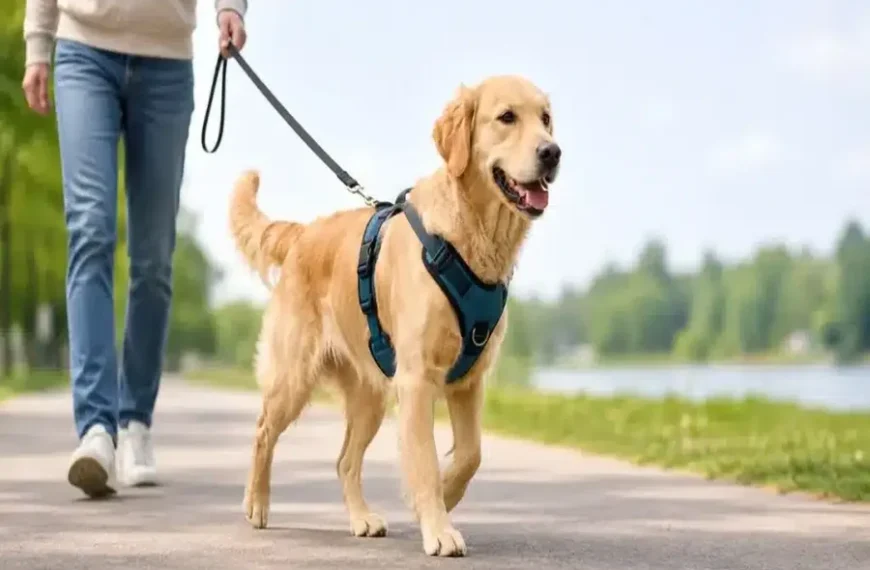
A dog harness is more than walking gear. It affects neck strain, shoulder motion, breathing comfort, and handler control. A poorly fitting harness can cause rubbing, uneven pressure, or increase the risk of escape, especially for deep-chested, small, or growing dogs. A well-chosen harness spreads force across stronger areas of the body and supports steadier leash manners. This guide answers common questions with practical, anatomy-aware advice for safer daily walks.
Fit Comes First
Good selection starts with body shape, chest depth, coat thickness, and leash habits. Before buying, many caregivers compare sizing notes, strap positions, and clip options in a trusted dog harness Guide and FAQ. That review helps them make informed decisions that account for rib cage width, shoulder clearance, skin sensitivity, and movement quality during ordinary walks.
Why Use a Harness
A harness shifts leash pressure away from the trachea and cervical spine. That matters for puppies, toy breeds, seniors, and dogs with respiratory sensitivity. Better force distribution also gives handlers steadier guidance in traffic, clinics, or crowded areas. For dogs that lunge or pull, chest-based control can reduce sudden neck compression and make training less physically stressful.
Main Types of Harness
Back-clip harnesses suit dogs with calm leash habits and predictable pacing. Front-clip versions redirect forward drive by changing chest alignment. Dual-clip models allow handlers to adjust control as training improves. Step-in styles help dogs that resist equipment being placed over the head. Vest harnesses provide more surface coverage, which may benefit short-coated dogs in cool or wet conditions.
Measuring Your Dog
Measure the dog’s girth at the widest point behind the front legs. The tape should touch the coat without compressing the skin or soft tissue. Neck size and weight ranges help confirm fit, yet rib cage measurement usually determines the correct size. For dogs between sizes, choose based on adjustment range, shoulder clearance, and whether the straps sit away from the armpits.
Checking Daily Comfort
Two fingers should slide under each strap without forcing extra space. The harness should remain centered while the dog walks, turns, and lowers its head. Watch the skin behind the elbows, where friction often appears first. Redness, broken hair, or a shortened stride means some adjustment is needed. Proper fit allows full shoulder extension and steady breathing.
Control and Pulling
A harness can support leash training, but it cannot replace proper instruction. Front attachment points may reduce pulling by turning the chest before momentum builds. Short sessions, food rewards, and calm direction changes teach loose-leash habits. Handlers should avoid constant tension, since pressure can become background noise. Clear timing helps dogs connect the position with forward movement.
Materials and Weather
Material choice should match the climate, coat, and activity level. Breathable mesh helps reduce heat buildup during warm walks. Padded fabric can protect bony areas on longer outings. Water-resistant shells suit rain, mud, and snowmelt. Reflective details improve visibility in low light. Buckles, sliders, and rings should feel secure, smooth, and easy to handle.
Puppy Considerations
Puppies need frequent size checks because their chest shape changes quickly. Lightweight harnesses usually feel less intrusive during early handling lessons. Start with brief wearing periods indoors, then pair the gear with treats and calm praise. A loose-fit harness allows a puppy to back out, which is dangerous outdoors. Early comfort work builds confidence before longer walks begin.
Common Mistakes
Weight alone is a poor sizing guide. Two dogs with equal body mass can have very different rib cage depths and shoulder widths. Loose straps may twist, rub, or allow the dog to escape. Overly tight straps can restrict stride and irritate the skin. Walking harnesses should not be assumed to be safe for vehicle restraint unless crash testing or travel ratings confirm that purpose.
Frequently Asked Questions
Can A Dog Wear One All Day?
Most dogs should wear a harness during walks, outings, or supervised activity. Removing it indoors reduces the risk of friction, lets the skin breathe, and prevents pressure spots.
Is A Harness Better Than A Collar?
For leash walking, a harness often offers safer pressure distribution. A collar remains useful for identification tags, but chest control is generally kinder for many dogs.
Conclusion
The best harness fits the dog in front of you, not an average size chart. Careful measuring, regular skin checks, and the right clip style can prevent many avoidable problems. Dogs may need adjustments as they grow, gain muscle, shed their coat, or age. With well-fitted equipment and consistent guidance, daily walks become safer, calmer, and more comfortable for both the dog and the handler.


