
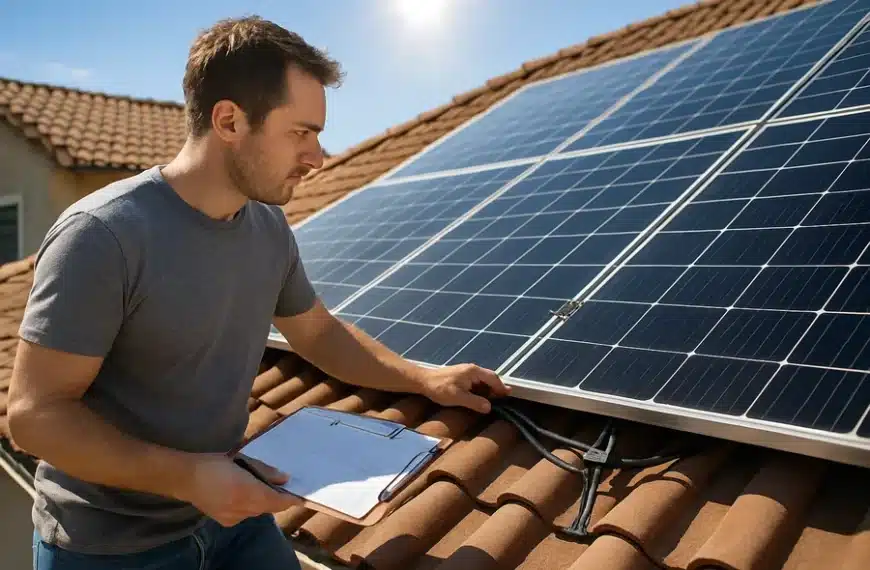
Transitioning your home toward sustainability begins with a thoughtful, step-by-step approach. Adopting solar power is a powerful commitment to reducing your household’s environmental impact and achieving greater energy independence. Instead of merely placing photovoltaic panels on a roof, creating a truly eco-friendly solar setup requires a holistic plan that addresses energy consumption, system design, and financial viability. This checklist outlines the essential steps every homeowner should take to ensure their renewable energy investment is as efficient and green as possible.
Foundational Step: Optimizing Home Energy Consumption
This initial stage is critical because the most sustainable energy is the energy you do not use. Before sizing a solar array, focus on minimizing your existing energy demand.
Conducting a Thorough Energy Audit
Start by assessing how much energy your household consumes and identifying waste. A professional energy audit will analyze your usage patterns and pinpoint areas for improvement, such as insufficient insulation or air leaks. Understanding these consumption patterns determines the appropriate size and capacity for your future solar system.
Prioritizing High-Efficiency Appliances
Upgrading household technology is an affordable and immediate way to reduce your carbon footprint. When replacing items, seek appliances with established energy efficiency labels. These products meet rigorous guidelines, significantly decreasing the electricity load your new solar system will need to generate.
Integrating Smart Energy Management
Implement devices that allow you to effectively monitor and control your power usage. Programmable thermostats and comprehensive energy management systems optimize when and where power is used. This optimization prevents waste and lowers overall utility costs, making your solar investment more productive from day one.
Assessing Your Property for Maximum Solar Potential
The effectiveness of a solar system relies heavily on location and physical property characteristics. A thorough evaluation will prevent disappointment and maximize generation.
Roof Suitability and Orientation
The ideal placement for solar panels is typically on a south- or west-facing roof surface that receives substantial sunlight throughout the day. The roof must also be in good condition and possess enough surface area to house the required number of panels based on your energy consumption analysis.
Shading and Obstructions
Identify all potential impediments to direct sunlight. Trees, chimneys, or nearby structures can cast shadows that dramatically reduce energy production efficiency. Minimizing shade exposure is a key consideration when planning the panel layout on your property.
Evaluating Current and Future Energy Needs
Consider not only your current energy bills but also potential future increases in power demand, such as purchasing an electric vehicle or adding new appliances. The initial system design should account for this projected consumption to ensure long-term energy independence.
Designing Your Diversified Renewable Energy System
Solar panels are the centerpiece, but a truly eco-friendly setup often involves diversifying energy sources and incorporating storage for continuous power.
Selecting Photovoltaic Panel Technology
Advances in technology have made solar panels increasingly efficient and accessible. Work with experienced installers to choose the correct type and efficiency rating of panel that matches your climate and space constraints. The choice of technology can influence your system’s overall output and long-term performance.
The Essential Role of Energy Storage
A solar battery backup system stores excess electricity generated during peak sun hours. This stored energy provides power after sunset or during grid outages, ensuring true energy security and minimizing reliance on the utility company. Battery integration is vital for maximizing the benefit of the system and protecting against power fluctuations.
Considering Other Renewable Supplements
For a comprehensive, year-round energy solution, consider systems beyond solar. Geothermal heating and cooling, for example, uses the earth’s stable underground temperature to regulate home climate, significantly reducing the energy load associated with air conditioning and heating. In regions with consistent wind patterns, small-scale residential wind turbines can supplement electricity generation, particularly when the sun is not shining. To begin this process, homeowners often consult various reputable solar companies in Utah or other local regions to compare options for integration and maintenance.
Navigating the Financial and Regulatory Landscape
The financial implications and governmental processes are as important as the physical installation. Planning these aspects correctly secures your return on investment.
Understanding Government Incentives
Significant financial assistance is available at both the federal and state levels to encourage renewable energy adoption. Research tax credits, grants, and rebates that can offset a substantial portion of the initial investment. For instance, the federal tax credit allows homeowners to deduct a percentage of the total installation costs from federal taxes.
Long-Term Value and Savings
The expense of installing solar is offset by decades of reduced or eliminated electricity bills. furthermore, renewable energy systems often increase a property’s market value, making the home more attractive to buyers who prioritize lower operating costs and environmental advantages.
The Installation and Permitting Process
Once financing and design are confirmed, the chosen energy provider will manage the necessary permits and approvals from local authorities and utility companies. The actual physical installation is generally non-invasive and often takes only a few days, culminating in the system being approved and turned on, beginning your energy production journey.
Conclusion
Implementing an eco-friendly solar setup is a strategic undertaking that requires preparation across energy efficiency, system design, and financial planning. By following this comprehensive checklist, you move beyond simple panel installation to create a resilient, diversified, and sustainable home energy ecosystem. Taking these steps today is an investment that provides both significant utility savings and a reduced carbon footprint for decades to come. For more insights and practical sustainability tips, visit gramernest.com.


